Why Battery Connector Health Matters?
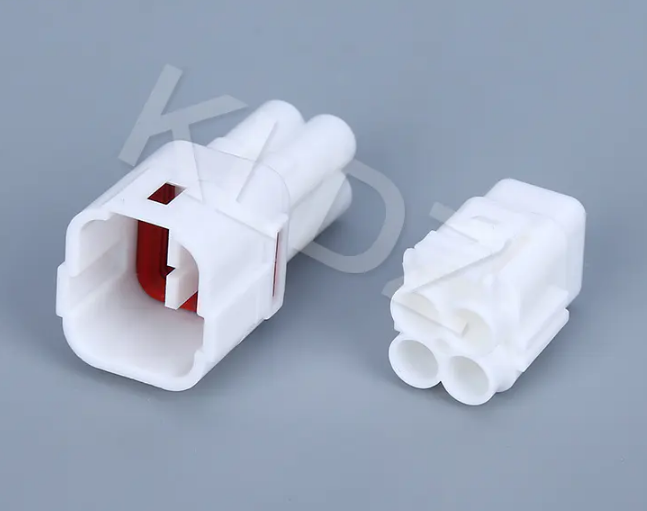
When your vehicle refuses to start, your first thought might be a dead battery — but often, the real culprit is the connection between the battery and the vehicle’s electrical system. The Vehicle Battery Connector plays a pivotal role in delivering power from the battery to the starter, alternator, and electronics. Understanding how these connectors behave and what problems users commonly face helps you troubleshoot and address issues effectively.
A frequently discussed topic in car maintenance forums is corroded battery connectors. Over time, oxidation can build up on the metal surfaces of terminals and clamps. Corrosion increases resistance, which means that less current flows from the battery through the connector. This results in weak starts, dim lights, and sluggish electrical component performance. In some cases, cleaning the terminals restores full electrical flow and solves the problem without replacing the battery.
Another factor is loose or worn connectors. Terminals that no longer grip tightly around the battery post reduce the efficiency of power transfer. In automotive forum discussions, many users report fixing their starting problems simply by tightening or replacing worn connectors. Tight and secure connections ensure that the battery’s energy gets delivered efficiently to critical systems.
Heat generated around connectors is also something to watch. High resistance connections can produce heat that may deform the connector housing or damage insulation. Left unchecked, this can lead to failure of the Auto Electronic Connector feeding into other circuits, causing erratic behavior across subsystems. Regular inspection detects early signs of overheating like discoloration or melted plastic.
Keep in mind that battery connectors are just part of a broader electrical system. Corrosion, vibration, environmental exposure, and poor initial installation can all contribute to connector degradation over time. When addressing battery connector issues, always start with cleaning and tightening before moving on to more complex diagnostics.
Simple preventive measures like periodic inspection, cleaning, use of protective sprays, and ensuring a snug fit can keep your vehicle starting reliably and your electrical systems functioning smoothly.
Nach Verein filtern
Read More
A healthy, attractive smile can positively impact your confidence, appearance, and overall quality of life. However, issues such as missing teeth and tooth discoloration can affect how you feel about your smile. At Advanced Dental Care & Aesthetics, patients have access to modern solutions, including Dentures North Olmsted and Teeth Whitening North Olmsted, designed to restore both function...

Creating a visually appealing and structurally sound property requires the expertise of professionals. Architectural Stone Contractors in Bronx NY provide specialized services for designing, fabricating, and installing stone elements that enhance both residential and commercial properties. From custom countertops and facades to decorative accents, expert stone contractors ensure precision,...

In today’s fast-paced business environment, financial management has become more important than ever. Whether you are running a startup, managing a growing company, or expanding into international markets, making informed financial decisions can determine your success. However, many businesses cannot justify the cost of hiring a full-time Chief Financial Officer (CFO). This is...

Potassium Iodate is an important inorganic compound widely used in food fortification, pharmaceuticals, animal nutrition, laboratory applications, and industrial chemical processes. It is primarily utilized as an iodine source in iodized salt production to help prevent iodine deficiency disorders worldwide. Due to its growing applications across healthcare and food industries, the global...

What Is Property Division in a Virginia Divorce? One of the most important issues in a Virginia divorce is the division of property and debts. When a marriage ends, spouses must determine how assets acquired during the marriage will be distributed. Virginia follows the principle of equitable distribution, which means property is divided fairly, though not necessarily equally. The court examines...