


Hand Eczema: Causes, Flares & Prevention Tips
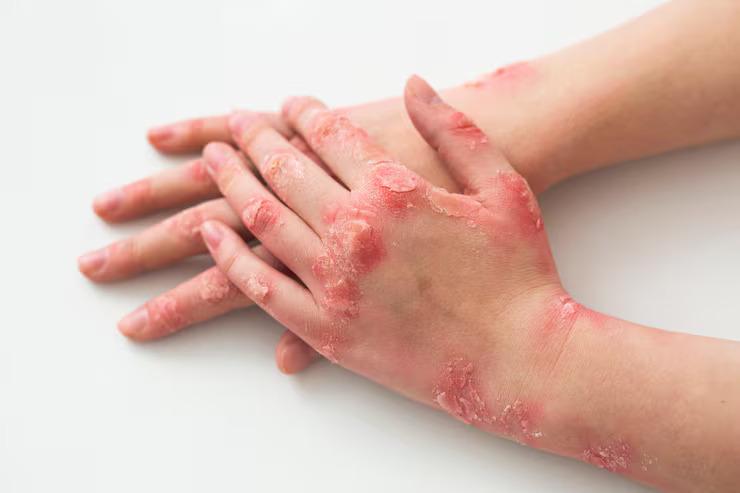
Do you find your hands constantly dry, itchy, or cracked? If so, you might be dealing with hand eczema, a common but often misunderstood skin condition. Many people confuse it with other types of eczema or simple dry skin, but hand eczema has its own unique triggers and patterns. In this blog, we’ll explore how eczema differs from each other, why flares happen, and, most importantly, practical tips to prevent and manage this uncomfortable condition. By understanding your skin better, you can take control and keep your hands healthier for longer.
What is Hand Eczema?
Hand eczema is a form of eczema that primarily affects the skin on your hands. While it shares some similarities with other types of eczema, such as atopic dermatitis or contact dermatitis, its location and triggers make it unique. Unlike general eczema, hand eczema tends to flare up more often due to frequent exposure to irritants and environmental factors.
Common symptoms include redness, itching, dryness, cracking, and sometimes small blisters. You might notice thickened patches of skin if the condition has been ongoing. Because our hands are constantly in use, hand eczema can be particularly frustrating, it can make daily tasks like washing dishes, typing, or even holding a cup of coffee uncomfortable.
Understanding what causes hand eczema is the first step toward managing it effectively.
Why Does Hand Eczema Happen?
Hand eczema can appear for various reasons, often involving a mix of internal and external factors. Some of the most common causes include:
- Genetics: If you or your family members have a history of atopic dermatitis, hay fever, or asthma, your skin may be naturally more prone to eczema.
- Irritants: Frequent contact with soaps, detergents, cleaning products, or hand sanitizers can weaken your skin’s protective barrier.
- Allergens: Substances like nickel in jewelry, fragrances in soaps, or latex gloves can trigger allergic reactions that worsen eczema.
- Environmental factors: Cold, dry weather or constantly wet hands can strip your skin of moisture, increasing irritation and dryness.
In addition, certain occupations like healthcare, hairdressing, or cleaning expose hands to chemicals more often, making flare-ups more likely. Recognizing what contributes to your hand eczema is key to preventing future episodes.
What Makes Hand Eczema Flare Up?
Even if your hand eczema is under control, flare-ups can occur unexpectedly. Identifying triggers can help you reduce their impact. Some common flare triggers include:
- Stress: High stress levels can worsen inflammation and itching, making flare-ups more frequent.
- Excessive hand washing or hand sanitizers: While hygiene is important, over-washing can strip natural oils and irritate the skin.
- Exposure to harsh chemicals: Cleaning products, solvents, and detergents can quickly aggravate eczema.
- Weather changes: Cold, dry air or sudden shifts in temperature can dry out your skin and provoke flare-ups.
A helpful strategy is keeping a flare diary. Note when flare-ups occur, what activities preceded them, and any products or environmental factors involved. Over time, you may notice patterns that allow you to avoid triggers more effectively.
How Can You Tell It’s Hand Eczema?
Identifying hand eczema early is important for managing it effectively. Signs to watch for include:
- Persistent dryness and rough patches on the hands
- Redness and irritation that can spread over the fingers or knuckles
- Cracks or peeling that sometimes bleed
- Blisters or oozing in more severe cases
- Intense itching that worsens with scratching
It’s easy to confuse hand eczema with other conditions like psoriasis or allergic reactions. However, hand eczema often flares in response to irritants and improves when triggers are minimized. Recognizing the symptoms early allows for quicker relief and reduces the risk of long-term skin damage.
How Can You Treat Hand Eczema?
While hand eczema can be persistent, several treatments and lifestyle adjustments can help manage it effectively.
- Moisturizers and barrier creams: Regularly applying thick, fragrance-free moisturizers helps repair the skin’s barrier and prevent moisture loss. Ointments often work better than lotions for severely dry hands.
- Topical corticosteroids: For flare-ups, mild to moderate steroid creams can reduce inflammation and itching. Use as directed by a healthcare provider.
- Antihistamines: These can help control itching, especially if flare-ups interfere with sleep.
- Prescription medications: Severe or chronic cases may require prescription-strength treatments or phototherapy under dermatological supervision.
Alongside these treatments, lifestyle adjustments are crucial. Avoiding known irritants, wearing gloves during chores, and practicing gentle hand care can support long-term improvement. Even small daily habits, like applying moisturizer immediately after washing hands, can make a significant difference.
How to Prevent Hand Eczema Flares?
Preventing flare-ups often works better than treating them after they start. Here are practical tips to keep your hands healthy:
- Moisturize regularly: Apply a thick, fragrance-free cream multiple times a day, especially after hand washing.
- Wear protective gloves: Use rubber or cotton gloves when washing dishes, cleaning, or exposing hands to chemicals.
- Choose gentle cleansers: Switch to mild, fragrance-free soaps and avoid alcohol-based hand sanitizers if possible.
- Avoid prolonged water exposure: Try to keep hands as dry as possible without over-drying them.
- Manage stress: Relaxation techniques like deep breathing, yoga, or mindfulness may reduce flare-ups caused by stress.
Consistency is key. Even if your hands feel fine, maintaining these habits helps prevent flare-ups and keeps your skin barrier strong.
Should You See a Doctor?
While many mild cases of hand eczema can be managed at home, there are times when professional help is necessary:
- Flare-ups that don’t improve with over-the-counter creams
- Severe cracking or bleeding that causes pain or discomfort
- Signs of infection, such as pus, swelling, or warmth
- Frequent recurrence that interferes with daily activities
A dermatologist can help identify the type of hand eczema you have, recommend treatments, and even suggest specialized therapies if needed. Early consultation often prevents complications and improves long-term outcomes.
Conclusion
Hand eczema can be frustrating, but with the right approach, it’s manageable. By understanding how eczema differs, identifying triggers, recognizing symptoms early, and practicing preventive care, you can significantly reduce flare-ups. Regular moisturization, gentle hand care, and protective habits go a long way in keeping your hands healthy and comfortable.
If you or someone you know struggles with persistent hand eczema, it’s worth exploring professional guidance and treatment options. For those interested in advancing care, get ready and enroll in Atopic Dermatitis clinical research, you could contribute to better treatments while learning more about managing your condition effectively.
Catégories
Lire la suite
Mit dem Mini-Set „Mysteriöse Insel“ für Pokémon TCG Pocket sind 86 neue Karten ins Spiel gekommen – und eine davon könnte deine Wasser-Decks auf ein neues Level heben: Aquana. Auf den ersten Blick unscheinbar, entpuppt sich die Karte in Kombination mit Unterstützer-Karten wie Misty als echter Gamechanger. Die neue Aquana und ihre Fähigkeit...

Tired of hiding acne scars that remind you of every breakout? At Divine Skin Therapy in Langley, we turn scarred skin into your smoothest canvas yet. Our proven laser and peel protocols fade ice-pick, boxcar, and rolling scars by up to 70% in just 4–6 sessions. Book your FREE skin-scan consult today and see real before-and-afters from Langley locals. – Claim Your Free Consult...

The Automotive Headrest Market is evolving rapidly as automakers prioritize passenger safety, comfort, and advanced interior design. Once considered a basic component, the headrest has transformed into a technologically enhanced safety feature that plays a crucial role in minimizing injuries during collisions. With increasing global emphasis on vehicle safety standards and ergonomic...

Benefits of Using Certification Exam Preparation Material Certification exams help people grow in their careers. They help you get better jobs. They also help you earn more money. Many students want to pass the l6m4 exam on the first attempt. This exam is offered by CIPS. However, exam preparation can feel difficult. There are many books to read and many topics to cover. This is why using...

A new growth forecast report titled Plate and Frame Heat Exchanger Market Size, Share, Trends, Industry Analysis Report By Product (Brazed, Gasketed, Welded, and Others), By End Use, and By Region – Market Forecast, 2025–2034 introduced by Polaris Market Research represents conclusive data on the overall market. It majorly targets to provide a detailed analysis of growth...
