


Fibonacci Budgeting: A Natural Approach to Staying Financially Fit

Maintaining financial health requires both discipline and strategy, and one innovative method gaining attention is Fibonacci budgeting. Inspired by the natural Fibonacci sequence, this approach uses proportional patterns to organize spending, saving, and investing. By applying a logical structure rooted in a sequence found throughout nature, individuals can achieve a balanced approach to money management while reducing financial stress.
Understanding Fibonacci Principles in Budgeting
The Fibonacci sequence is a series of numbers where each number is the sum of the two preceding ones. In budgeting, these numbers can be used to divide income into different spending categories. Smaller numbers can represent essential expenditures like groceries and utilities, while larger numbers can cover discretionary spending or investments. Using the sequence provides a natural rhythm to financial planning, making it easier to visualize and maintain proportional allocations across all areas of life.
Categorizing Expenses Using Fibonacci Ratios
Applying Fibonacci budgeting starts with dividing monthly income into categories. Essentials such as housing, transportation, and utilities can be assigned smaller numbers in the sequence. Discretionary expenses like dining out, entertainment, and hobbies can take higher numbers, providing flexibility while keeping spending balanced. Savings and investment goals can also be aligned with Fibonacci ratios, helping individuals grow their wealth steadily without straining other parts of their budget.
Tracking Spending Effectively
One of the key benefits of Fibonacci budgeting is enhanced visibility into spending patterns. Tracking expenditures based on the sequence helps individuals understand where their money is going and identify potential imbalances. Budgeting apps, spreadsheets, or even simple notebooks can help visualize spending according to Fibonacci ratios. This transparency encourages mindful spending, reduces unnecessary expenses, and builds confidence in personal financial decisions.
Aligning Fibonacci Budgeting With Financial Goals
Fibonacci budgeting isn’t just about daily expenses—it also helps achieve long-term financial objectives. For example, saving for a vacation, a home renovation, or retirement can be structured using Fibonacci ratios. By starting with smaller allocations and gradually increasing them, individuals can save systematically without feeling overwhelmed. Linking financial goals to Fibonacci principles transforms budgeting from a reactive exercise into a proactive strategy for long-term stability.
Psychological Benefits of Using Fibonacci in Finance
Humans are naturally drawn to patterns, and the Fibonacci sequence resonates on a cognitive level. Following a pattern-based budgeting method provides predictability and reduces anxiety associated with financial uncertainty. The proportional structure encourages conscious spending decisions rather than impulsive ones. Over time, this helps develop healthier financial habits and a more disciplined approach to managing money.
Adapting Fibonacci Budgeting for Different Income Levels
Fibonacci budgeting is highly versatile, making it suitable for a wide range of income levels. Individuals with limited income can apply smaller numbers in the sequence to cover essential and discretionary expenses. Higher earners can use larger numbers to proportionally distribute funds across all categories. The approach adapts to lifestyle changes, ensuring that proportional budgeting remains relevant regardless of financial circumstances.
Tools and Techniques to Simplify Implementation
Using digital finance tools, apps, or spreadsheets can streamline the implementation of Fibonacci budgeting. Assigning specific Fibonacci numbers to each category allows for simple monitoring of spending and savings. Visualization tools such as pie charts or bar graphs provide clear insights into financial allocation, highlighting areas that may need adjustment. Regular tracking ensures budgets stay on course and supports the development of consistent money management habits.
Integrating Fibonacci Budgeting With Other Financial Strategies
Fibonacci budgeting can be combined with other popular techniques such as envelope budgeting, zero-based budgeting, or automated savings plans. Surplus funds can be reallocated according to Fibonacci proportions, ensuring optimal use of resources. This hybrid approach allows individuals to benefit from structured, pattern-based planning while maintaining flexibility to adapt to changes in income, expenses, or financial priorities.
Real-Life Example of Fibonacci Budgeting
Imagine someone earning $3,500 per month. Using a Fibonacci approach, $500 might be allocated for groceries, $800 for rent, $1,300 for discretionary spending, and $900 for savings or investments. These proportional allocations cover essential needs, provide room for enjoyment, and support long-term financial growth. Following the sequence encourages both disciplined spending and adaptable planning that can evolve with lifestyle and income changes.
Important Information of Blog
Fibonacci budgeting provides a natural framework for managing finances efficiently and intuitively. By applying the Fibonacci sequence to spending, saving, and investing, individuals can develop proportional, balanced financial habits that reduce impulsive behavior and promote long-term growth. Its adaptability ensures relevance across income levels, while integration with other financial strategies enhances its effectiveness. Using this method consistently can lead to improved financial awareness, predictable budgeting, and sustained financial wellness.
At BusinessInfoPro, we empower entrepreneurs, small businesses, and professionals with actionable insights, strategies, and tools to fuel growth. By simplifying complex ideas in business, marketing, and operations, we help you turn challenges into opportunities and navigate today’s dynamic market with confidence. Your success is our mission because when you grow, we grow.
Κατηγορίες
Διαβάζω περισσότερα
Growing Demand for Creative Video Content In today’s digital world, video content has become one of the most powerful tools for communication and marketing. Businesses, influencers, YouTubers, and brands use videos to promote products, share information, and connect with audiences online. Because of this growing trend, the demand for a professional Online video editing...

If you own a Polaris ATV, you already know how much fun it brings when exploring new trails or tackling off-road adventures. But when it comes time to move your ATV across the country — whether you’re relocating, selling, or going on vacation — finding the right Polaris shipping company becomes an important decision. Choosing the right team ensures your vehicle is handled with...

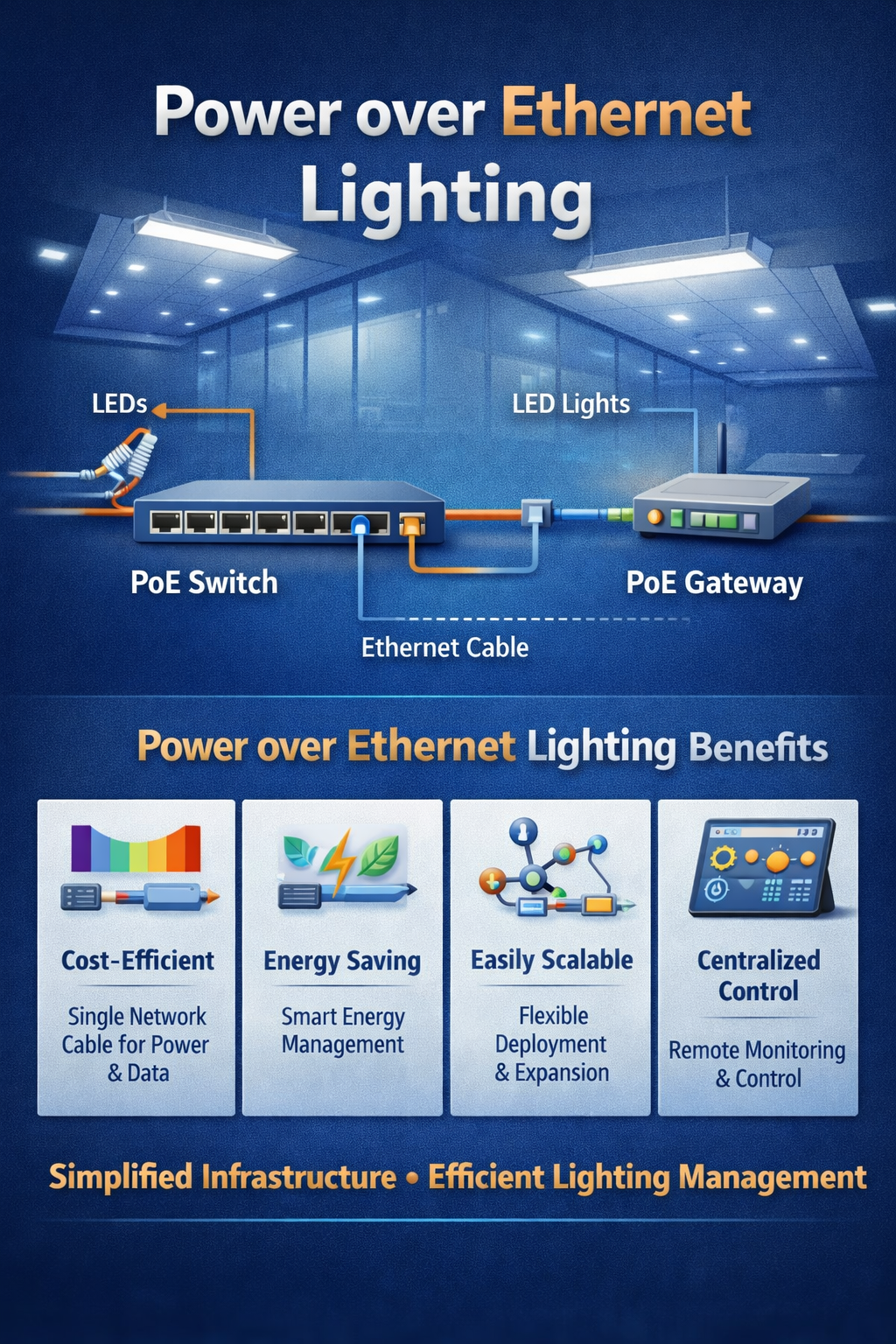
As energy efficiency becomes a paramount concern for modern infrastructures, the power over ethernet lighting market is projected to witness explosive growth. With the market size expected to reach approximately $20.2 billion by 2035, the integration of smart lighting over ethernet solutions is transforming the way lighting systems operate within commercial and residential environments. This...
The online betting industry has changed rapidly over the last few years. Users are no longer looking for just a basic betting platform — they want speed, security, smooth navigation, and a complete entertainment experience. This is where SkyExchange Biz has started gaining serious attention among online betting users. From cricket betting and live casino games to fast...

Helfire-Ausrüstung in Zenless Zone Die Hellfire-Ausrüstung in Zenless Zone Zero ist eine S-Rang-Waffe, die ausschließlich für Koleda Belobog verfügbar ist. Diese Waffe kombiniert Beschleunigungs- und Blaze-Effekte, um enormen Schaden zu verursachen. Auf dem Maximallevel besitzt sie eine Grundangriffskraft von 684 und bietet zusätzlich 18 % Durchschlagskraft....