The Invisible Architecture of a Resilient Electrical Future

Ensuring the constant flow of electricity is a complex balancing act that requires a sophisticated suite of Grid stability solutions to prevent blackouts and equipment damage. In decades past, the electrical grid was a relatively straightforward system of one-way traffic. Large, centralized power plants burned coal or gas to create a steady, predictable stream of electrons that traveled over long distances to reach homes and businesses. However, as the world pivots toward a greener future, the nature of the grid is changing fundamentally. We are moving toward a decentralized model where power comes from thousands of smaller, variable sources like wind turbines and solar panels. While this shift is essential for the environment, it introduces significant challenges for the stability of the entire network.
The core challenge of grid stability lies in the need for instantaneous balance. In an electrical network, supply must always meet demand in real-time. If there is too much electricity and not enough consumption, the frequency of the grid rises; if there is too little, the frequency drops. Traditional power plants provided "inertia" through their massive spinning turbines, which acted like a flywheel to smooth out these fluctuations. Many renewable sources, however, do not provide this natural mechanical inertia. This creates a "jittery" grid that is more susceptible to sudden weather changes or technical faults. To solve this, engineers are deploying a variety of high-tech tools designed to act as digital shock absorbers.
Among the most promising tools for maintaining this balance are advanced energy storage systems. While many people think of large-scale battery farms, there are other technologies that offer even faster response times. Some systems use magnetic fields to hold energy, allowing them to discharge massive amounts of power in mere milliseconds. This speed is crucial because a frequency deviation can happen faster than a human operator can blink. By having a reservoir of energy that can be tapped instantly, grid operators can bridge the gap during the critical seconds it takes for other backup power sources to come online.
Another vital component of modern stability involves "smart" transmission technology. Traditional transformers and wires are being replaced with intelligent power electronics that can actively steer the flow of electricity. Think of it like a smart traffic management system for electrons. If one part of the city is experiencing a sudden surge in demand, these systems can reroute power from other areas with a surplus, preventing any single line from becoming overloaded. This flexibility is particularly important during extreme weather events, which are becoming more frequent and can put immense physical stress on aging infrastructure.
Inertia emulation is also a growing field within the stability sector. Since wind and solar do not have the physical weight of a spinning steam turbine, engineers are programming the inverters that connect these systems to the grid to "mimic" the behavior of a traditional generator. By using sophisticated software, these systems can detect a drop in grid frequency and instantly adjust their output to provide a stabilizing effect. This software-driven approach allows for a much higher percentage of renewable energy to be integrated into the grid without risking a total system collapse.
Industrial demand-side management is another piece of the puzzle. Large factories and data centers are increasingly entering into agreements with utility providers to adjust their energy usage on the fly. If the grid is under heavy strain, these facilities can temporarily power down non-essential systems in exchange for financial incentives. This "virtual power plant" model effectively creates extra capacity on the grid without the need to burn more fuel or build more power stations. It turns the consumers into active participants in the health of the electrical ecosystem.
The role of data and artificial intelligence cannot be overlooked in the quest for stability. Modern grids are becoming vast networks of sensors, generating massive amounts of data every second. AI algorithms are now being used to predict weather patterns and energy consumption with incredible accuracy. By knowing exactly when a cloud bank will pass over a major solar farm or when a heatwave will cause millions of air conditioners to turn on, grid operators can proactively adjust their resources. This move from a "reactive" to a "predictive" model is the hallmark of a truly modern and resilient energy system.
As we look further into the future, the concept of microgrids will likely play a larger role. These are smaller, localized networks that can operate independently of the main grid during an emergency. By using their own local generation and storage, a hospital or a neighborhood can keep the lights on even if the regional high-voltage lines are down. When the main grid is healthy, these microgrids can export their excess energy back to the community, acting as a distributed support system.
In conclusion, the stability of our electrical future does not rely on a single "silver bullet" technology. Instead, it is a mosaic of different solutions working in harmony. From the physics of magnetic energy storage to the intelligence of AI-driven forecasting, these tools are building a grid that is more flexible, more efficient, and more reliable than anything we have seen before. As we continue to electrify our cars, our heating, and our industries, the invisible architecture of grid stability will remain the silent guardian of our modern way of life.
Frequently Asked Questions
Why is frequency so important for grid stability? Frequency is essentially the "heartbeat" of the electrical grid. Most household appliances and industrial machines are designed to run at a specific frequency. If that heartbeat slows down or speeds up too much, it can cause motors to burn out, electronic clocks to drift, and eventually lead to widespread blackouts as protective relays automatically disconnect parts of the grid to prevent damage.
What is the difference between "inertia" and "fast frequency response"? Inertia is a physical property of heavy, spinning machinery that naturally resists changes in speed. Fast frequency response is a modern, electronic version of this. It uses batteries or other storage systems to detect a frequency change and inject power within milliseconds to achieve the same stabilizing effect that a heavy spinning turbine would provide.
Can a grid be powered 100% by renewable energy without becoming unstable? Yes, but it requires a very high level of coordination and advanced technology. To reach that goal, a grid needs significant amounts of storage, smart inverters that can provide "synthetic inertia," and sophisticated software to manage the diverse and scattered sources of power. Many regions are already successfully operating with very high percentages of renewables by using these stability tools.
More Trending Reports on Energy & Power by Market Research Future
Superconducting Magnetic Energy Storage Market Outlook
oil and gas projects Market Outlook
Categorie
Leggi tutto
In today’s highly competitive business environment, first impressions are everything. A professionally designed id card can instantly transform how customers, clients, and employees perceive your company. Whether you run a corporate office, educational institution, healthcare facility, or retail chain, secure and polished identification creates authority, trust, and professionalism within...

c168 has taken a major step forward by upgrading its system with the latest and most advanced technology. This improvement focuses on delivering a smooth, fast, and reliable experience for all participants. The new system is designed to handle high traffic efficiently, reduce delays, and ensure stable performance at all times. Users can now enjoy a platform that responds quickly, loads...

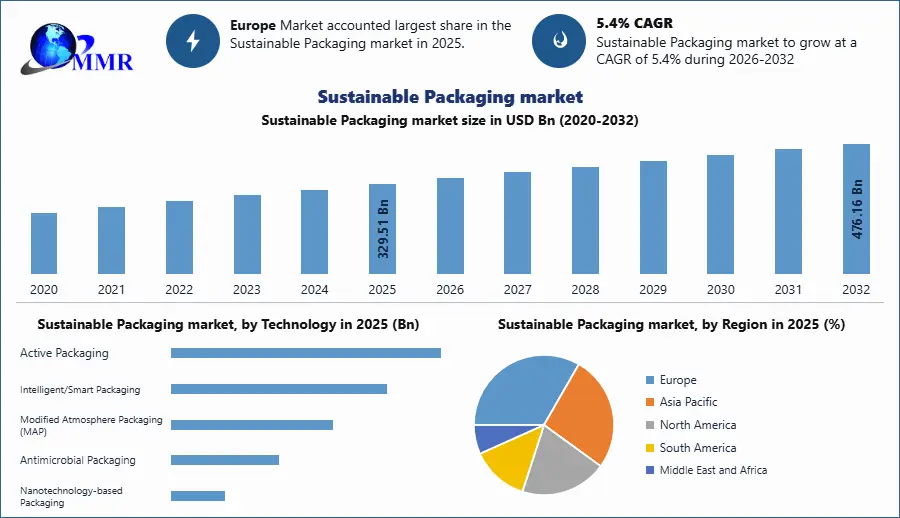
Sustainable Packaging Market Accelerates as Environmental Regulations and Circular Economy Initiatives Drive Industry Growth The Global Sustainable Packaging Market is experiencing robust growth as businesses, consumers, and governments increasingly prioritize environmentally responsible packaging solutions. Rising concerns regarding plastic waste, carbon emissions, resource depletion, and...
The biodegradable cups market is gaining strong momentum as businesses and consumers actively shift toward eco-friendly alternatives to traditional plastic packaging. With rising environmental awareness, stricter regulations on single-use plastics, and the growing popularity of takeaway beverages, biodegradable cups have become a preferred solution across foodservice, hospitality, and retail...
"Emollient Esters Market Summary: According to the latest report published by Data Bridge Market Research, the Emollient Esters Market The global emollient esters market is expected to reach USD 801.38 million by 2032 from USD 576.76 million in 2024, growing with a substantial CAGR of 4.30% in the forecast period of 2025 to 2032. Attaining maximum return on investment (ROI) is...