Boring Head for Milling Machine: Uses and Best Practices
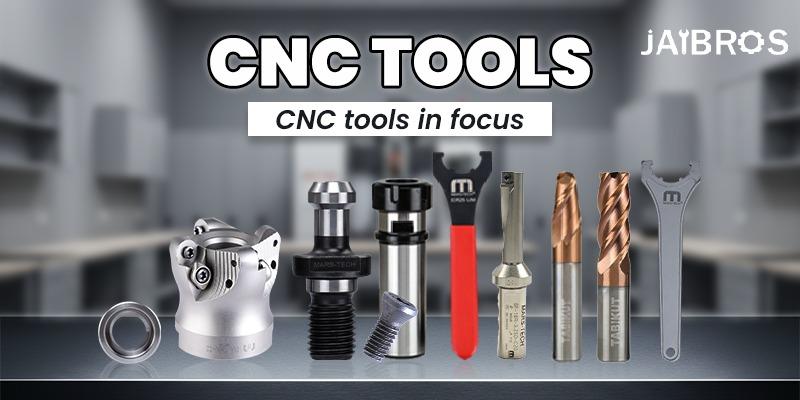
Learn uses and best practices of boring head for milling machines. Explore micro boring head, fine boring head, boring head kit options, and pricing factors.
Boring Head Guide for Milling Machine Users
Precision machining depends on accuracy, stability, and the right tooling setup. When it comes to enlarging pre-drilled holes or achieving high internal dimensional accuracy, a boring head becomes an essential attachment for milling machines. This versatile tool allows machinists to produce precise internal diameters with controlled adjustments. Whether you operate a manual milling machine or a CNC setup, understanding its uses and best practices ensures optimal performance and surface finish.
In this detailed guide, we will explore how a boring works, its key applications, different types such as micro boring head and fine boring head, and the best practices that improve accuracy and tool life.
What Is a Boring Head?
A boring head is a precision tool attachment mounted on a milling machine spindle. It holds a boring bar and allows controlled radial adjustment to enlarge or finish an existing hole. Unlike drilling, which creates a hole, boring refines and improves its size, alignment, and surface finish.
The main advantage of using a boring head is its ability to adjust the cutting diameter with high precision. This makes it ideal for applications requiring tight tolerances and accurate internal geometry.
Key Components and Working Principle
The typical construction includes a body, a sliding mechanism for radial adjustment, a graduated dial for measurement, and a mounting shank compatible with the milling machine spindle. By rotating the adjustment screw, the cutting tool moves outward or inward, changing the bore diameter.
Because of its adjustable design, a boring provides flexibility in machining multiple hole sizes using the same setup. This reduces tool change time and improves workshop efficiency.
Uses of Boring Head in Milling Machines
Precision Hole Enlargement
One of the primary uses of a boring is enlarging pre-drilled holes to exact dimensions. This is especially important in mechanical assemblies where parts must fit accurately.
Improving Surface Finish
Boring helps achieve smoother internal surfaces compared to drilling alone. With proper setup and feed rate control, it produces clean finishes suitable for high-precision components.
Correcting Hole Alignment
If a drilled hole is slightly misaligned, a boring can correct the axis and improve concentricity.
CNC Machining Applications
In CNC milling operations, this tool ensures repeatability and precision for batch production. Controlled adjustments allow consistent dimensional accuracy.
Types of Boring Heads
Different machining tasks require different levels of precision and flexibility. Understanding the available options helps select the right tool.
Micro Boring Head
A micro boring head is designed for extremely small diameter adjustments. It is commonly used in precision engineering and small-component manufacturing. Its fine adjustment mechanism allows accurate cutting in delicate applications.
Fine Boring Head
A fine boring head provides enhanced adjustment resolution, making it ideal for finishing operations where tight tolerances are critical. It is frequently used in automotive, aerospace, and precision tooling industries.
Standard and Modular Kits
A complete boring head kit usually includes multiple boring bars, shanks, and accessories. Such kits offer versatility for workshops handling varied machining tasks. They reduce the need to purchase separate components individually.
Factors Affecting Boring Head Price
When purchasing, many buyers consider the boring price as a deciding factor. However, price depends on several elements such as material quality, precision level, brand reputation, included accessories, and adjustment range.
High-quality hardened steel construction, precision-ground components, and accurate graduation scales may increase the price, but they also ensure longer life and consistent performance. Investing in durable tooling reduces maintenance costs and improves machining reliability.
Best Practices for Using a Boring Head
Proper Machine Setup
Ensure the milling machine is stable and correctly aligned. Any spindle misalignment can affect bore accuracy. Secure the workpiece firmly to avoid vibration during cutting.
Accurate Adjustment
Always adjust the cutting diameter gradually. Sudden large adjustments can cause tool chatter or inaccurate results. Use the graduated dial carefully to maintain precision.
Correct Cutting Speed and Feed
Selecting appropriate spindle speed and feed rate is critical. Excessive speed can cause vibration, while too slow a feed may lead to poor surface finish. Adjust parameters based on material type and bore diameter.
Minimize Overhang
Keep the boring bar extension as short as possible to reduce deflection. Longer overhang increases vibration and reduces dimensional accuracy.
Regular Inspection and Maintenance
Clean chips from the tool after each use and inspect moving parts for wear. Proper lubrication ensures smooth adjustments and extends tool life.
Common Mistakes to Avoid
One common error is ignoring tool rigidity. If the setup lacks stability, chatter marks may appear on the bore surface. Another mistake is excessive radial adjustment in a single pass, which can overload the tool.
Failing to check alignment before machining can also result in tapered holes. Always perform trial cuts when working on high-precision components.
Advantages of Using a Boring Head
The flexibility of a boring head allows machinists to produce multiple hole sizes using a single attachment. It enhances dimensional control and improves repeatability in production environments.
Additionally, it reduces the need for multiple dedicated boring tools, making it a cost-effective solution for workshops.
Choosing the Right Boring Head
When selecting a tool for your milling machine, consider machine compatibility, adjustment range, material type, and workload frequency. Workshops handling micro components may prefer a micro boring head, while heavy industrial users might choose a robust fine boring for high-precision finishing.
Also, evaluate whether a complete boring head kit better suits your operational needs. Kits offer versatility and convenience for multi-size applications.
Conclusion
A boring head is an essential tool attachment for milling machines, offering flexibility, precision, and efficiency in internal machining operations. From enlarging holes to achieving fine finishes, it plays a critical role in modern manufacturing. Understanding its types, such as micro boring head and fine boring head, along with following best practices, ensures accurate results and longer tool life. While boring head price may vary depending on features and quality, investing in a reliable tool enhances productivity and machining performance.
By applying proper setup, accurate adjustments, and maintenance practices, machinists can maximize the benefits of this versatile milling accessory and achieve consistent precision in every operation.
Frequently Asked Questions (FAQs)
Q1. What is the main use of a boring head in a milling machine?
It is primarily used to enlarge and finish pre-drilled holes with high precision and improved surface finish.
Q2. What is the difference between a micro boring head and a fine boring head?
A micro boring head is designed for small-diameter precision work, while a fine boring head provides enhanced adjustment accuracy for finishing larger bores.
Q3. How does boring head price vary?
Boring head price depends on build quality, precision level, brand, included accessories, and adjustment capabilities.
Q4. Can a boring head be used on CNC machines?
Yes, it can be used in CNC milling operations for precise and repeatable internal machining tasks.
Q5. What does a boring head kit include?
A boring head kit typically includes the head unit, boring bars, mounting shanks, and sometimes additional accessories for versatile machining.
الأقسام
إقرأ المزيد
Online gaming and sports entertainment have become more popular than ever, and users now look for platforms that are secure, fast, and easy to use. If you want a trusted platform that delivers smooth performance and exciting opportunities, then diamond247original.com is the perfect destination for you. Whether you are a beginner or an experienced user, this platform provides everything needed...

The Dallas Cowboys completed successful minicamp drills recently. Roster building never truly stops for this proud franchise. Dallas wants more depth before the grueling season begins. They made smart offseason trades to boost their edge rushers. Rashan Gary arrived via a day three draft choice. Young talent develops rapidly under proper coaching guidance. “Football fans everywhere are...

5 Essential Digital Marketing Strategies for Start-ups to Start Their Business Introduction Launching a start-up in today’s competitive digital ecosystem requires more than a basic presence on social platforms or a website. It demands strategic digital marketing rooted in technical execution, data analysis, and outcome-driven campaigns that can scale with business growth. Start-ups must...

"Global Demand Outlook for Executive Summary Umami Flavours Market Size and Share The global umami flavours market size was valued at USD 1.16 billion in 2024 and is projected to reach USD 1.95 billion by 2032, with a CAGR of 6.70% during the forecast period of 2025 to 2032.Global Umami Flavours Market report is a highly visual business report where the key market research findings...

The In-flight Catering Services Market is really important for the aviation industry. It affects how happy passengers are with their flight and what they think of the airline. As more people travel by air around the world airlines want to give them food that is safe and has a lot of options. This is so passengers have an experience on the plane. The airlines also want to make sure they can do...