How Is Crypto Exchange Software Designed to Handle High Trading Volume Without Crashing?

When a crypto exchange begins attracting real trading activity, traffic can increase very quickly. During major market movements, thousands of traders may place buy and sell orders at the same time. If the platform’s infrastructure is not designed for this level of demand, the system can slow down, freeze, or completely crash.
For businesses planning to launch a crypto exchange, the challenge is not simply building trading features. The real challenge is building a technical architecture capable of processing large trading volumes continuously while maintaining speed, accuracy, and system stability.
High Performance Matching Engine
The matching engine is the core component of any crypto exchange. It is responsible for processing buy and sell orders and executing trades in real time. During high market activity, thousands of orders can arrive every second. Modern exchanges solve this by using highly optimized matching engines designed for low latency execution. These engines process transactions in milliseconds, ensuring that orders are matched quickly and prices remain accurate even during intense trading activity. Fast execution is important because traders expect immediate responses when markets move quickly.
Scalable System Architecture
A reliable crypto exchange cannot run on a single server. Modern platforms use scalable architecture where different system components operate independently. Trading engines, wallet systems, databases, and user interfaces are separated into services. This structure allows the platform to distribute workloads across multiple servers. As trading activity increases, additional resources can be added without disturbing the entire system.
Load Balancing for Traffic Distribution
High trading volume also means large numbers of users accessing the platform simultaneously. Without proper traffic management, servers can quickly become overloaded. Load balancing distributes incoming requests across multiple servers so that no single system carries the entire workload. By spreading traffic evenly, the platform maintains stable performance even during sudden spikes in user activity. This keeps response times consistent and prevents system slowdowns during market periods.
Optimized Database Performance
Crypto exchanges the amounts of data every second. Orders, trades, balances, and transaction records must be stored and retrieved instantly. If the database infrastructure is not optimized for speed, the entire platform can become slow. To avoid this problem, modern exchanges rely on high performance databases designed for read and write operations. Many platforms also separate trading data from user account data to reduce the system. Efficient database architecture ensures that order books update instantly and trading activity remains smooth even when the platform is under heavy load.
Real Time Market Data Streaming
Traders depend on accurate market information to make decisions. Price charts, order books, and market depth must update continuously as trades occur. Instead of forcing users to constantly request updates from servers, modern exchanges use streaming technologies that push market data directly to users in real time. This approach reduces server load while ensuring traders always see the latest market movements without delays. Real time data streaming plays an important role in maintaining both performance and trading accuracy.
Risk Management Systems
During high trading volume, markets can become extremely unstable. Exchanges use automated risk management systems to monitor unusual trading behavior. These systems help detect abnormal order patterns, price manipulation attempts, or suspicious activity. By managing risks early, the platform maintains stability even during intense trading periods.
Stress Testing Before Launch
One of the biggest mistakes new exchange platforms make is launching without proper performance testing. Before going live, serious exchanges simulate extreme trading conditions to see how the system behaves. Engineers push the platform beyond expected traffic levels by generating massive volumes of simulated trades. If the system can survive these stress tests without failing, it is far more likely to remain stable during real market events. Testing under extreme conditions helps identify technical weaknesses before they affect real users.
Cloud Infrastructure for Scaling
Trading activity in the crypto market can change quickly. Some days traffic is moderate, while other days experience massive spikes. Cloud infrastructure allows exchanges to scale resources automatically when demand increases. If trading volume rises suddenly, additional computing power and storage can be deployed instantly. When activity returns to normal, resources scale back down. This flexible infrastructure allows exchanges to manage unpredictable demand while maintaining stable performance.
Continuous Monitoring and System Stability
Even the most advanced systems require constant monitoring. Crypto exchanges track performance metrics such as server load, order processing speed, and network activity in real time. If the system detects unusual behavior or performance degradation, automated alerts notify the technical team immediately. Engineers can then respond quickly and resolve issues before users experience disruptions. Continuous monitoring ensures long term platform reliability.
Conclusion
Reliable Crypto Exchanges Software are built for pressure long before the first trade happens. When the architecture is designed with high speed matching engines, scalable infrastructure, and optimized data systems, the platform can handle intense trading activity without slowing down or crashing. At Beleaf Technologies, we build crypto exchange software engineered for high volume trading, ensuring stability, speed, and long term scalability as the market grows.
Categorieën
Read More
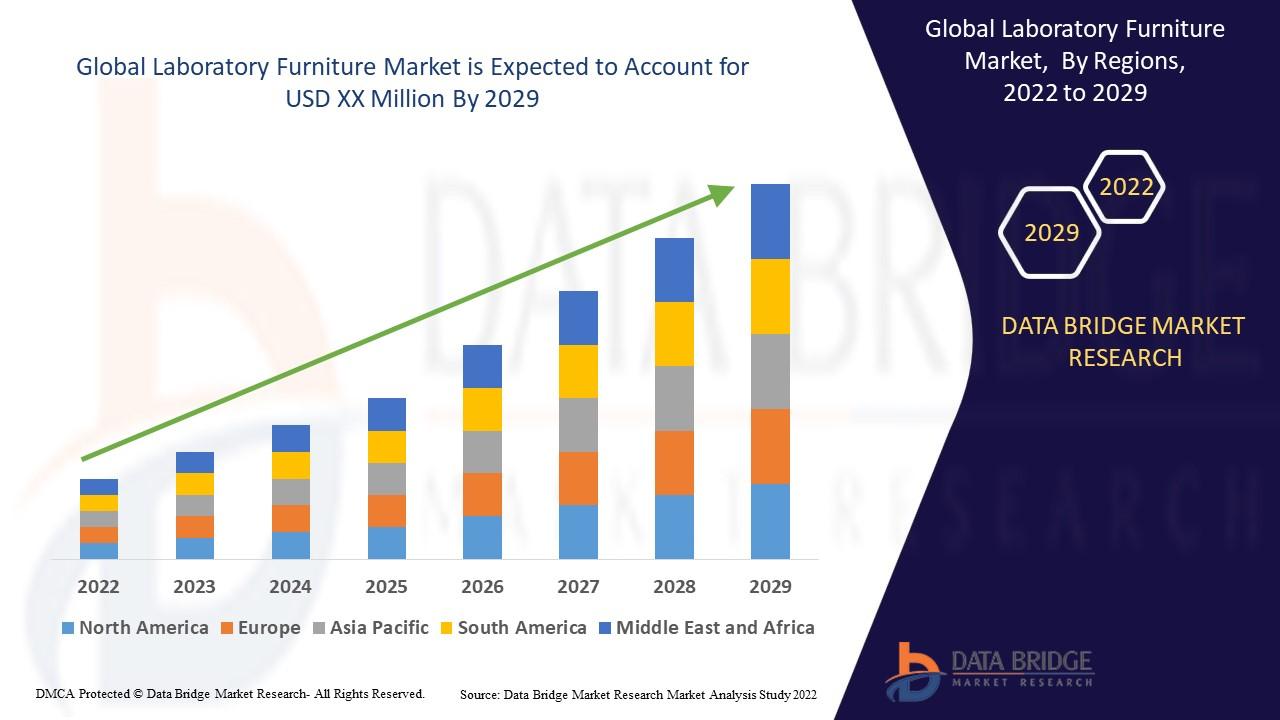
"Market Trends Shaping Executive Summary Laboratory Furniture Market Size and Share CAGR Value The laboratory furniture market is expected to be growing at a growth rate of 4.67% in the forecast period of 2022 to 2028. Laboratory Furniture Market report performs geographical analysis for the major areas such as North America, China, Europe, Southeast Asia, Japan, and India, with...
According to the latest report published by Data Bridge Market Research, the Remote Surgery Market CAGR Value The global remote surgery market size was valued at USD 7.17 billion in 2024 and is expected to reach USD 17.63 billion by 2032, at a CAGR of 11.90% during the forecast period This Remote Surgery Market document combines...

Bài tập giảm cân tại nhà là lựa chọn phù hợp cho những ai bận rộn nhưng vẫn muốn cải thiện vóc dáng và sức khỏe. Chỉ cần một không gian nhỏ và thời gian ngắn mỗi ngày, bạn hoàn toàn có thể tập luyện hiệu quả. Một chương trình bài tập giảm cân tại nhà đúng cách...

To maximize Cartethyia’s damage output in Wuthering Waves, it’s essential to focus on teams that can efficiently apply Aero Erosion stacks. Since her effectiveness hinges on this mechanic, assembling a team that complements her playstyle is crucial. Optimal team compositions include characters who can inflict Aero status quickly and reliably, enabling her to unleash devastating...

In today’s high-risk, compliance-driven environments especially healthcare and enterprise facilities managing vendor access, credentials, and security protocols is no longer optional. Platforms like GoGreenSecurity are redefining how organizations ensure safety, compliance, and operational efficiency. 🔐 Enterprise Access Management: Real-Time Security & Control Enterprise access...