The Complete Guide to Custom Retail Packaging Boxes: Materials, Design Trends, Costs, and Sustainability
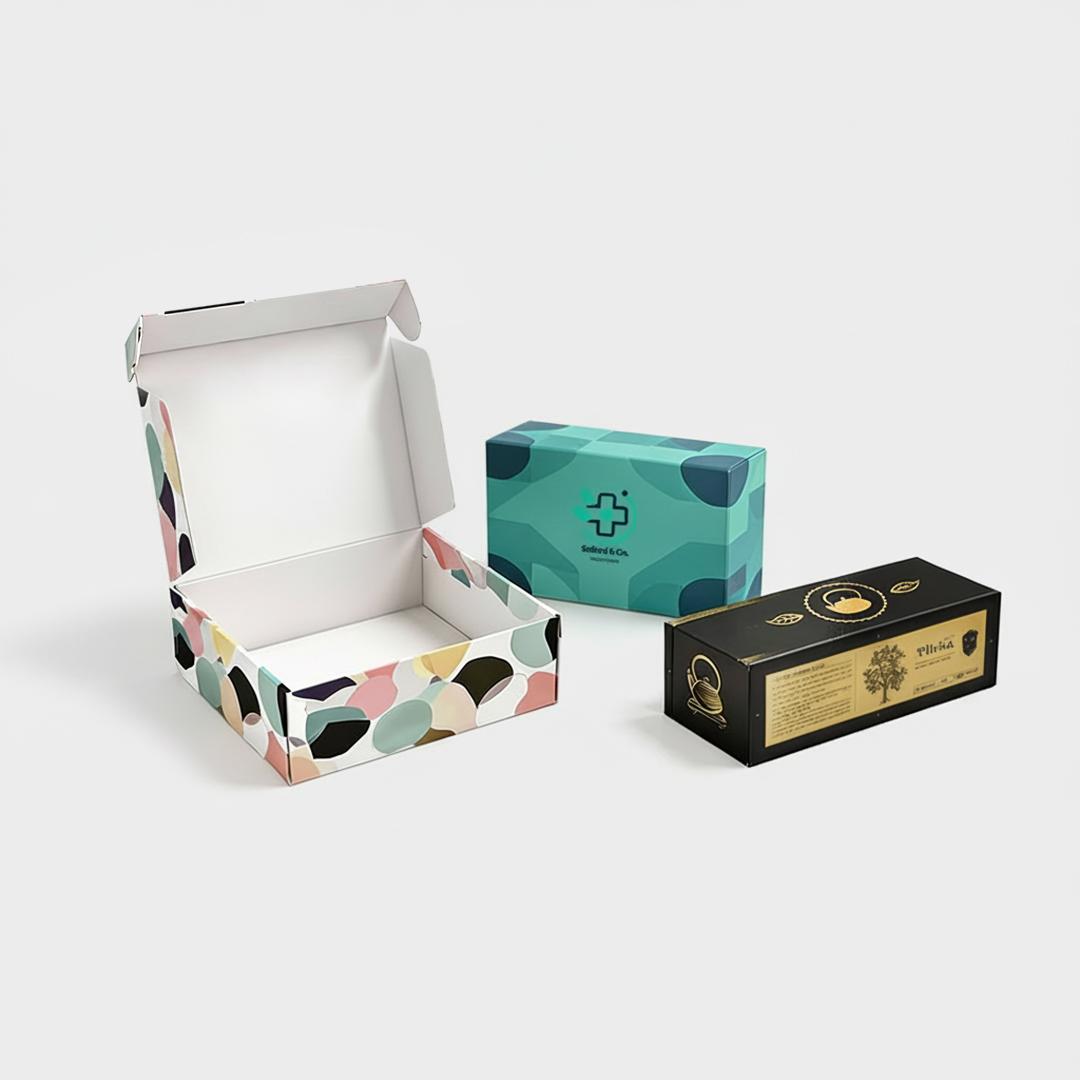
Custom retail packaging boxes play a critical role in how products are perceived, protected, and purchased. In today’s competitive retail and e-commerce landscape, packaging is more than just a container—it is a powerful branding tool that influences buying decisions and customer loyalty. This guide explores materials, design trends, costs, and sustainability considerations to help businesses make informed packaging choices.
What Are Custom Retail Packaging Boxes?
Custom retail packaging boxes are tailor-made boxes designed to fit specific products and brand requirements. Unlike standard packaging, custom boxes are created with unique dimensions, printed designs, finishes, and structural features that enhance product presentation and protection.
They are widely used in industries such as cosmetics, electronics, apparel, food, health products, and luxury goods.
Common Materials Used
Choosing the right material is essential for durability, aesthetics, and cost efficiency. Here are the most popular options:
1. Corrugated Cardboard
Strong and durable, corrugated boxes are ideal for shipping and protecting fragile items. They provide excellent cushioning and stacking strength.
2. Paperboard (Folding Cartons)
Lightweight and cost-effective, paperboard is commonly used for retail shelf packaging like cosmetics, pharmaceuticals, and food products.
3. Rigid Boxes
Often used for luxury products, rigid boxes offer a premium look and sturdy structure, making them ideal for high-end branding.
4. Kraft Paper
Eco-friendly and recyclable, kraft packaging is popular among brands focused on sustainability.
Popular Design Trends
Modern consumers are drawn to visually appealing and functional packaging. Some key design trends include:
Minimalist Design
Clean layouts, simple typography, and neutral color palettes create a premium and modern feel.
Bold Colors and Graphics
High-impact visuals help products stand out on crowded retail shelves.
Window Cut-Outs
Transparent windows allow customers to view the product before purchase.
Interactive Packaging
QR codes, augmented reality features, and scannable elements enhance engagement.
Custom Inserts
Foam or cardboard inserts protect products and elevate the unboxing experience.
Branding and Marketing Benefits
Custom retail packaging boxes act as silent sales representatives. They:
-
Increase brand recognition
-
Communicate product value
-
Differentiate from competitors
-
Enhance perceived quality
-
Encourage social media sharing through attractive unboxing experiences
Packaging that aligns with brand identity builds trust and emotional connection with customers.
Cost Factors to Consider
Several elements influence the cost of custom retail packaging boxes:
1. Material Selection
Premium materials like rigid board cost more than standard corrugated or paperboard options.
2. Box Size and Structure
Larger and more complex designs require more material and manufacturing time.
3. Printing Method
Digital printing is cost-effective for short runs, while offset printing is economical for large quantities.
4. Finishes and Add-Ons
Embossing, foil stamping, spot UV, matte/gloss lamination, and magnetic closures increase overall costs.
5. Order Quantity
Bulk orders typically reduce per-unit pricing.
Balancing quality with budget ensures maximum return on investment.
Sustainability in Custom Retail Packaging
Sustainability is no longer optional—it is a consumer expectation. Brands can adopt eco-friendly practices by:
-
Using recyclable or biodegradable materials
-
Reducing excess packaging
-
Choosing soy-based or water-based inks
-
Designing for reusability
-
Opting for lightweight materials to reduce shipping emissions
Sustainable packaging not only protects the environment but also enhances brand reputation and customer loyalty.
The Role of E-Commerce
With the growth of online shopping, packaging must serve dual purposes—retail display and shipping protection. E-commerce packaging requires:
-
Extra durability
-
Tamper-proof sealing
-
Lightweight construction to reduce shipping costs
-
Attractive presentation for unboxing experiences
Custom retail packaging boxes designed for both shelf and shipment offer versatility and cost savings.
How to Choose the Right Custom Packaging Partner
When selecting a packaging manufacturer, consider:
-
Experience and industry expertise
-
Material quality
-
Printing capabilities
-
Minimum order requirements
-
Sustainability certifications
-
Turnaround time
A reliable supplier ensures consistent quality and timely delivery.
Final Thoughts
Custom retail packaging boxes are a strategic investment for businesses aiming to enhance product appeal, protect merchandise, and strengthen brand identity. By carefully selecting materials, incorporating modern design trends, managing costs effectively, and prioritizing sustainability, brands can create packaging that not only attracts customers but also builds long-term loyalty. In today’s competitive market, thoughtful packaging design can be the difference between being noticed—or overlooked.
Categorias
Leia Mais
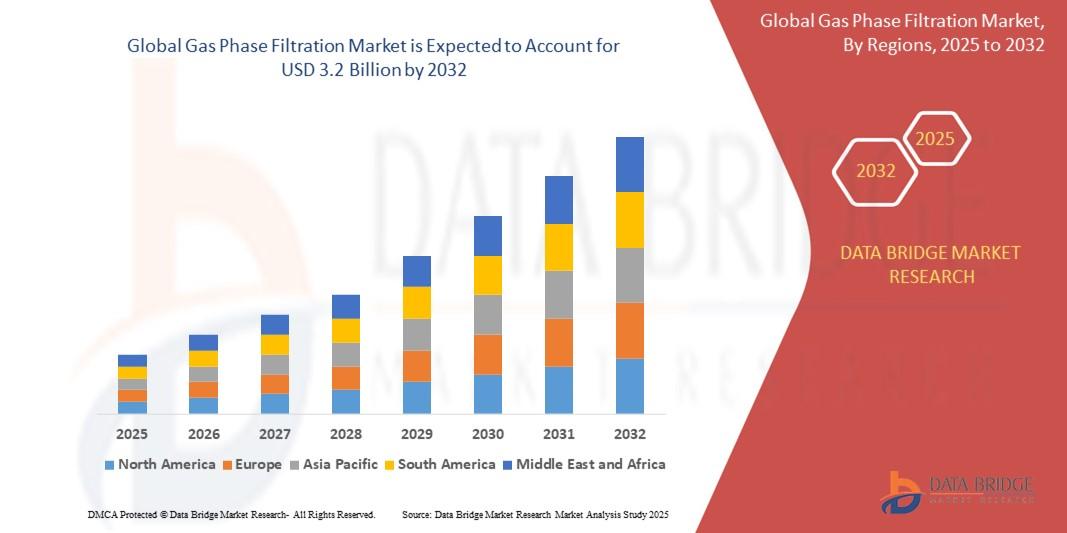
"In-Depth Study on Executive Summary Gas Phase Filtration Market Size and Share The Global Gas Phase Filtration Market size was valued at USD 2.19 billion in 2024 and is expected to reach USD 3.2 billion by 2032, at a CAGR of 4.55% during the forecast period The Gas Phase Filtration Market report contains market insights and analysis for Gas Phase Filtration Market industry, which are...
Games have become a major part of modern entertainment, offering exciting experiences that appeal to people of all ages. From traditional sports played in open fields to advanced digital adventures experienced online, games continue to evolve and influence the way people spend their free time. Their ability to combine fun, creativity, and learning has made them one of the most popular...
The demand for a laser rust removal machine for sale has grown rapidly across industries that require efficient, precise, and eco-friendly surface cleaning solutions. Traditional cleaning methods often involve chemicals, abrasives, or manual labor, which can be time-consuming and inconsistent. In contrast, modern laser cleaning technology offers a highly efficient and controlled approach...

Mental health practices in Pennsylvania are experiencing growing demand, evolving payer rules, and increasingly complex documentation requirements. Whether you run a solo therapy practice or a multi-location behavioral health clinic, efficient billing operations can make the difference between steady cash flow and constant revenue leakage. This guide explores how billing services for...
Poker is a game of patience, strategy, and knowing when to play your cards right. It’s not about luck alone—it’s about how you read the game, how you play under pressure, and how you sharpen your decisions with every hand. At the heart of this exciting world lies the Skyexch Poker Room, a virtual space designed to bring players the real feel of poker—smart,...