


What Is a Vaginal Swab Test and Why Is It Important?
Women’s health often involves conversations that feel uncomfortable but are absolutely essential. One such topic is the Vaginal Swab Test in Dubai — a simple, quick, and highly effective diagnostic tool used to detect infections and maintain reproductive health. Despite its common use in gynecology, many women are unsure about what it involves, why it’s necessary, and how it impacts their overall well-being.
Understanding the Vaginal Swab Test in Simple Terms:
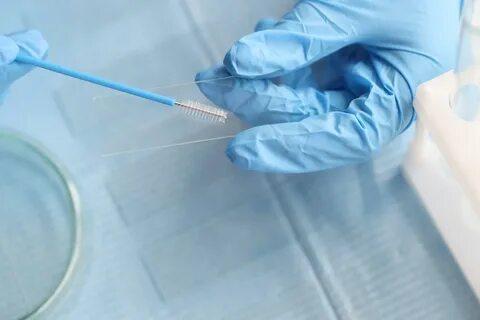
A vaginal swab test is a medical procedure where a healthcare provider collects a sample of vaginal discharge using a sterile cotton swab. The sample is then sent to a laboratory for analysis to check for infections, bacteria, fungi, or sexually transmitted diseases (STDs).
Unlike a Pap smear, which screens for cervical cancer, a vaginal swab focuses on identifying vaginal infections and microbial imbalances. The test helps diagnose conditions that may cause abnormal vaginal discharge, itching, irritation, burning sensation, or pelvic discomfort.
In many cases, early symptoms of infection are mild or mistaken for normal changes in vaginal flora. That’s where this test becomes especially important.
Why Doctors Recommend a Vaginal Swab Test?
A vaginal swab is typically recommended if you experience symptoms such as unusual odor, thick white discharge, greenish or yellow discharge, vaginal itching, pain during intercourse, or burning while urinating. However, even without symptoms, sexually active women may undergo routine STI screening as part of preventive care.
Doctors also recommend vaginal swab testing during pregnancy to screen for Group B streptococcus, which can affect newborns during delivery. Detecting infections early reduces complications like pelvic inflammatory disease (PID), infertility, or pregnancy-related risks.
Routine gynecological exams often include this test when there are signs of vaginal inflammation or suspected bacterial imbalance.
What Happens During the Procedure?
Understanding the process can ease anxiety and help you feel prepared.
During the appointment, you will lie on an examination table similar to a regular pelvic exam. A speculum may be gently inserted into the vagina to allow the healthcare provider to see the vaginal walls and cervix clearly. A sterile swab is then used to collect a small sample of vaginal fluid.
The entire procedure usually takes less than five minutes. While some women may feel mild discomfort or pressure, it is generally not painful. Breathing deeply and relaxing pelvic muscles can make the experience smoother.
In certain cases, self-collected vaginal swabs are offered, especially for STI testing. Research shows that self-swab methods can be just as accurate as clinician-collected samples for detecting infections like chlamydia and gonorrhea.
Conditions Detected Through a Vaginal Swab Test:
One of the key reasons this test is important is its ability to identify multiple types of vaginal infections and reproductive health concerns.
Bacterial vaginosis occurs when there is an imbalance in the natural bacteria present in the vagina. It often causes a fishy odor and thin gray discharge. Without treatment, it can increase the risk of other infections.
Yeast infections, caused by Candida overgrowth, produce thick white discharge along with itching and redness. These infections are common and treatable but require proper diagnosis to avoid recurrent symptoms.
Sexually transmitted infections such as chlamydia, gonorrhea, and trichomoniasis can also be detected through vaginal swab testing. Many STIs remain asymptomatic in early stages, making screening essential for sexually active individuals.
Pregnant women are often tested for Group B strep to protect the baby from potential infection during childbirth.
By identifying harmful microorganisms through laboratory analysis, healthcare providers can prescribe targeted treatment such as antibiotics, antifungal medication, or antiparasitic drugs.
How to Prepare for Accurate Results?
Preparation plays a key role in ensuring reliable test outcomes. Before undergoing a vaginal swab test, it is usually recommended to avoid douching, vaginal creams, spermicides, or intimate hygiene sprays for at least 24 to 48 hours. These products can disrupt the natural vaginal microbiome and affect test accuracy.
It’s also advisable to avoid sexual intercourse one day before the test and, if possible, schedule the appointment when you are not menstruating. Inform your doctor about any antibiotics or medications you are currently taking.
Following these simple guidelines helps maintain the integrity of the vaginal sample and prevents false-negative results.
The Importance of Early Detection in Women’s Health:
Vaginal infections may seem minor at first, but untreated conditions can lead to serious complications. For example, untreated chlamydia or gonorrhea can progress to pelvic inflammatory disease, potentially causing chronic pelvic pain or fertility problems.
Bacterial vaginosis, if left untreated, may increase the risk of acquiring other sexually transmitted diseases. During pregnancy, infections can lead to premature birth or low birth weight.
Early detection through vaginal swab testing allows prompt treatment, reduces the risk of spreading infections to partners, and protects long-term reproductive health.
Preventive healthcare is not just about treating symptoms; it’s about identifying hidden risks before they escalate.
Vaginal Swab Test vs. Other Gynecological Tests:
It’s common to confuse a vaginal swab with other tests like a Pap smear or HPV test. While all involve sample collection, their purposes differ significantly.
A Pap smear screens for abnormal cervical cells that could indicate cervical cancer. An HPV test detects high-risk strains of human papillomavirus. A vaginal swab, on the other hand, primarily checks for bacterial infections, yeast overgrowth, and sexually transmitted pathogens.
Your doctor may perform more than one test during a pelvic exam depending on your age, symptoms, and medical history.
Can You Take a Vaginal Swab Test at Home?
With advancements in telemedicine and home diagnostics, at-home vaginal swab test kits have become increasingly available. These kits allow you to collect a sample privately and send it to a laboratory for STI testing or infection screening.
Home tests can be convenient and discreet, but it is important to choose clinically approved kits and follow instructions carefully. If results are positive, consultation with a healthcare provider is essential for proper treatment and follow-up care.
While home testing improves accessibility, it does not replace routine in-person gynecological checkups.
Addressing Common Concerns and Misconceptions:
Many women worry that a Vaginal Swab Test will be painful or embarrassing. In reality, healthcare professionals perform this procedure routinely and prioritize patient comfort and privacy.
Another misconception is that vaginal infections always cause noticeable symptoms. In fact, many infections remain silent for weeks or months. That is why regular STI screening and reproductive health checkups are strongly recommended.
Confidentiality is also a key concern. Medical testing and results are protected under patient privacy regulations, ensuring your information remains secure.
When Should You Seek Immediate Medical Attention?
Although most vaginal infections are manageable, certain symptoms require urgent evaluation. Severe pelvic pain, high fever, heavy abnormal bleeding, or foul-smelling discharge combined with abdominal discomfort could indicate more serious conditions.
If you experience persistent symptoms despite treatment, follow up with your healthcare provider for further evaluation.
Final Thoughts: Why This Test Truly Matters
A vaginal swab test may seem like a small medical procedure, but its impact on women’s health is significant. By identifying infections early, supporting accurate diagnosis, and guiding effective treatment, this simple test plays a critical role in preventive gynecology.
Understanding what a vaginal swab test is and why it is important empowers women to take control of their reproductive health. Whether you are experiencing unusual symptoms or simply maintaining routine sexual health screening, timely testing offers peace of mind and protection against long-term complications.
Prioritizing regular checkups, practicing safe sex, and staying informed about vaginal health are proactive steps toward overall well-being. A few minutes in a clinic today can safeguard your health for years to come.
Kategoriler
Read More
According to the latest report published by Data Bridge Market Research, the Calcimimetics Market CAGR Value This global Calcimimetics Market report is a wonderful guide to achieve an information or key data about market, emerging trends, product usage, motivating factors for customers, competitor strategies, brand positioning, customer preferences, and customer behaviour....

Fashion lovers often debate whether Gallery Dept belongs in the luxury fashion space or the streetwear world. The brand attracts artists, musicians, and trendsetters who value creativity, exclusivity, and self-expression. This discussion matters because fashion today no longer fits into rigid categories. Brands now blend art, culture, and commerce in new ways. Understanding where this label...

The online sports platform industry in India has grown rapidly over the past few years. With increased internet access and widespread smartphone usage, more users are exploring digital platforms related to cricket and other sports. As a result, many beginners search for information about platforms such as Reddy Anna Book before getting started. For first-time users, understanding how a platform...

The accounting profession is being restructured from the ground up. In 2026, accounting and tax services, accounting and bookkeeping services, and financial accounting reporting are no longer operating the way they did five years ago. CPA firms that still anchor their workflows to legacy processes are losing ground fast. Clients want strategic partners, not just number crunchers. The firms...
Introduction Testing and calibration laboratories play a critical role in ensuring the accuracy, reliability, and consistency of measurement results across various industries. To maintain high standards of competence and quality, many laboratories implement ISO/IEC 17025, the internationally recognized standard for testing and calibration laboratories. ISO 17025 Training provides...