


U Drill Tools for Faster Hole Making in CNC Machining
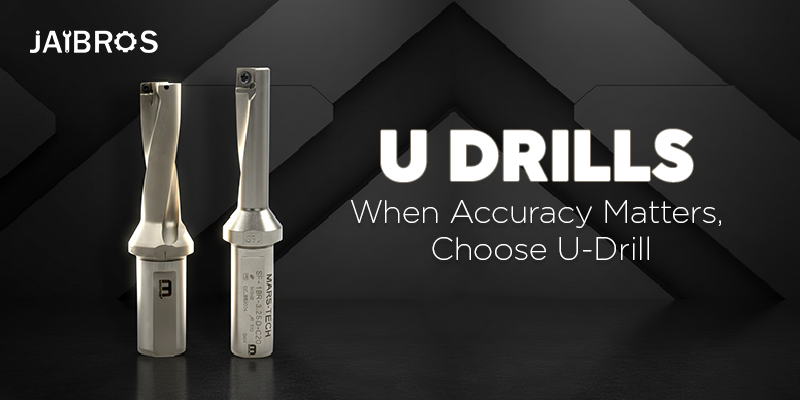
Learn how U drill tools improve hole-making speed and precision in CNC machining. Discover benefits, inserts, applications, and factors affecting U drill price.
U Drill Tools: A Smart Solution for Faster and Efficient Hole Making
In modern manufacturing, speed and precision are essential for achieving high productivity. Industries that rely on machining operations constantly look for tools that can improve efficiency while maintaining accuracy. One such innovation is the U drill a powerful cutting tool designed for faster and more efficient hole making in metalworking applications.
Unlike traditional drilling tools, this tool is specially engineered for high-speed performance and better chip removal. It has become an important part of modern machining because it helps manufacturers reduce machining time and improve overall production quality. In this blog, we will explore how this advanced drilling solution works, its benefits, applications, and why it is widely used in CNC machining.
Understanding the Role of U Drill in Modern Machining
The drill is a specialised drilling tool used primarily in CNC machining to create holes quickly and accurately. It is designed with replaceable inserts that perform the cutting action instead of a solid drill body. These inserts allow the tool to cut efficiently while reducing wear and tear on the tool holder.
In many machining environments, the drill is preferred because it can drill larger holes in a single operation without requiring multiple drilling steps. This capability saves time and improves productivity, especially in industries where high-volume production is required.
Another advantage is that it works effectively with a cnc machine tool, making it ideal for automated machining processes. With the right setup, manufacturers can achieve consistent results with minimal tool changes.
Key Components of a Drill Tool
To understand how this drilling tool works, it is important to look at its main components. Each component plays a crucial role in ensuring efficient drilling performance.
1. Drill Body
The drill body is the main structure that holds the inserts and connects the tool to the machine. It is designed to withstand high cutting forces during drilling operations.
2. Cutting Inserts
The drill insert is responsible for cutting the material. These inserts are usually made from carbide or other high-strength materials to ensure durability and precision. Because they are replaceable, users can change worn inserts without replacing the entire tool.
3. Coolant Channels
Many modern drilling tools include internal coolant channels that deliver coolant directly to the cutting zone. This helps reduce heat and improves chip removal during drilling.
4. Tool Holder Connection
The drill body connects to the cnc tool holder, ensuring stability and accurate alignment during machining.
How Drill Tools Improve Drilling Efficiency
One of the main reasons manufacturers use this drilling solution is its ability to increase efficiency in machining operations. Several design features contribute to this advantage.
Faster Hole Creation
The u drill is designed to cut aggressively while maintaining accuracy. This allows it to drill holes faster compared to conventional drills.
Reduced Tool Changes
Since the inserts can be replaced easily, operators do not need to replace the entire tool when the cutting edges wear out. This reduces downtime and increases productivity.
Better Chip Control
Efficient chip evacuation is critical in drilling operations. The insert design and coolant flow help remove chips quickly, preventing tool damage and improving surface quality.
High Precision
With proper setup on a cnc machine tool, the tool can produce consistent and accurate holes, even in demanding materials.
Applications of Drill Tools in Industry
Because of their speed and efficiency, these drilling tools are widely used in various industries. Some common applications include:
Automotive Manufacturing
Automotive companies use advanced drilling tools to create holes in engine components, transmission parts, and structural elements.
Aerospace Industry
Precision is extremely important in aerospace machining. Tools like these are used for drilling holes in high-strength materials such as titanium and alloy steels.
General Engineering
Many engineering workshops rely on modern drilling tools for producing machine parts and industrial components.
Heavy Machinery Manufacturing
Large machinery requires strong and durable components. Efficient drilling tools help manufacturers create accurate holes in thick metal parts.
Advantages of Using U Drill Tools
There are several reasons why manufacturers prefer this advanced drilling solution in CNC machining.
Higher Productivity
The ability to drill large holes quickly reduces machining time and increases production efficiency.
Cost Efficiency
Although the initial u drill price may seem higher than traditional drills, the long-term cost savings are significant. Replaceable inserts reduce tool replacement costs and improve tool life.
Improved Surface Finish
Proper insert geometry ensures smoother hole surfaces, which reduces the need for secondary finishing operations.
Versatility
These tools can work with various materials, including steel, aluminum, cast iron, and stainless steel.
Better Tool Life
High-quality inserts and strong tool bodies ensure longer tool life, making them suitable for demanding machining environments.
Choosing the Right Drill Tool
Selecting the right drilling tool is important for achieving optimal results. Several factors should be considered when choosing the right tool for your machining needs.
Material Compatibility
Different inserts are designed for different materials. Choosing the correct insert grade ensures better cutting performance.
Hole Diameter
Drilling tools come in various diameters. Selecting the right size ensures accurate hole creation without excessive tool wear.
Machine Compatibility
The tool should be compatible with your cnc machine tool to ensure proper performance and stability.
Insert Quality
A high-quality drill insert can significantly improve cutting efficiency and tool life.
Maintenance Tips for Better Performance
Proper maintenance helps extend tool life and maintain consistent machining performance.
Regular Inspection
Check the inserts regularly for wear or damage. Replacing worn inserts at the right time prevents poor machining results.
Proper Coolant Usage
Using adequate coolant helps reduce heat and improve chip removal during drilling operations.
Correct Cutting Parameters
Always use recommended cutting speeds and feeds to avoid excessive tool wear.
Secure Tool Installation
Ensure the cnc tool is properly installed in the machine holder to prevent vibration and misalignment.
The Future of Drilling Tools in CNC Machining
With the advancement of machining technology, drilling tools continue to evolve. Manufacturers are focusing on improved insert materials, better chip control, and enhanced tool designs to increase efficiency.
As CNC machining becomes more automated, advanced drilling solutions will play an even bigger role in improving productivity. The u drill is expected to remain a key tool in modern machining because of its speed, reliability, and versatility.
Conclusion
Efficient drilling is essential for modern manufacturing, and advanced drilling tools have transformed the way holes are produced in metal components. With features like replaceable inserts, improved chip evacuation, and high cutting performance, the U drill has become a smart solution for faster hole making.
When combined with a reliable cnc machine tool, this tool can significantly improve productivity, accuracy, and cost efficiency in machining operations. By choosing high-quality inserts, maintaining proper cutting conditions, and selecting the right tool design, manufacturers can maximize the benefits of modern drilling technology.
FAQs
1. What is a U drill used for?
A drilling tool with replaceable inserts is used to create precise holes in metal materials during CNC machining operations.
2. How is it different from a traditional drill?
Unlike conventional drills, it uses replaceable inserts instead of a solid cutting edge, allowing faster drilling and easier maintenance.
3. What materials can it drill?
It can drill materials such as steel, stainless steel, cast iron, and aluminum depending on the insert grade used.
4. Are replaceable inserts cost-effective?
Yes, replaceable inserts reduce overall tool replacement costs because only the worn cutting edges need to be changed.
5. What factors affect drilling performance?
Cutting speed, feed rate, insert quality, coolant flow, and machine stability all influence drilling performance.
Κατηγορίες
Διαβάζω περισσότερα
ISO 27001 Training is a professional program designed to help individuals and organizations understand and implement an Information Security Management System (ISMS) based on the ISO/IEC 27001 standard. This internationally recognized standard provides a structured framework for protecting sensitive information, managing security risks, and ensuring data confidentiality, integrity, and...

In industrial boiler operations, the choice of bed material for boiler is critical to ensuring efficient combustion, optimal fuel usage, and long-term durability of the equipment. High-quality bed material provides uniform airflow, stable furnace temperature, and smooth fuel mixing, which are essential for reducing operational costs and extending boiler life. Techno World Corporation is a...
According to a new report from Intel Market Research, the global AI Token Development Market was valued at USD 192 million in 2025 and is projected to reach USD 471 million by 2032, growing at a robust CAGR of 14.8% during the forecast period. Growth is driven by the rapid integration of artificial intelligence with blockchain technology, with over 60% of new blockchain projects now...
The Base Station Antenna Market is witnessing strong growth as the global telecommunications industry continues to expand with rapid deployment of advanced wireless networks. The market is valued at USD 11.99 billion in 2025E and is projected to reach USD 42.54 billion by 2033, growing at a CAGR of 17.18% during the forecast period from 2026 to 2033. Increasing demand for high-speed...

Stress can affect both the body and the mind. Swedish Massage Therapy helps promote relaxation through smooth, flowing strokes that reduce muscle tightness and encourage better circulation. Garden Retreat Spa provides a welcoming space where experienced therapists focus on every guest's comfort. Whether recovering from a long week or simply taking time to relax, each session offers lasting...