Understanding Lower Back Pain: Causes, Prevention, and Effective Relief
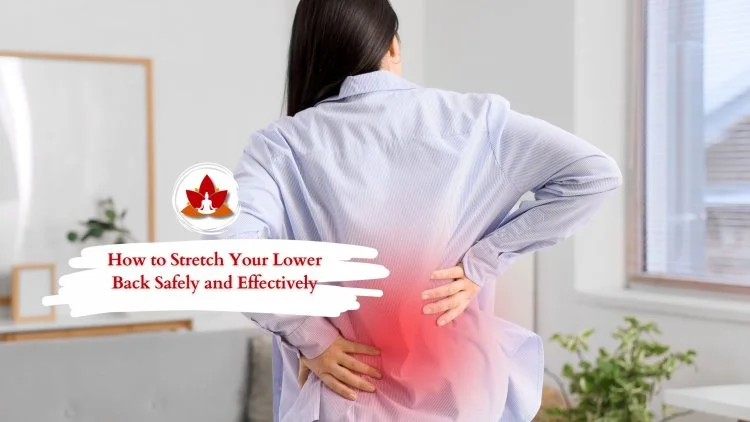
Lower back pain is one of the most common health issues affecting people of all ages across the world. It can range from mild discomfort to severe pain that interferes with daily activities, work productivity, and overall quality of life. Many people experience lower back pain at least once in their lifetime, often due to lifestyle habits, physical strain, or underlying medical conditions. Understanding the causes, symptoms, and prevention strategies can help individuals manage lower back pain effectively and maintain a healthy spine.
What Is Lower Back Pain?
Lower back pain refers to discomfort or stiffness felt in the lumbar region of the spine, which is located between the rib cage and the pelvis. This part of the spine supports much of the body's weight and plays a major role in movement, flexibility, and stability. Because it carries such a heavy load, the lower back is highly vulnerable to injury and strain.
Lower back pain may appear suddenly after lifting something heavy or may develop gradually due to poor posture, sedentary lifestyles, or repetitive movements. In some cases, the pain may last for only a few days, while in other situations it can become chronic and persist for weeks or months.
Common Causes of Lower Back Pain
Several factors can contribute to the development of lower back pain. One of the most common causes is muscle strain, which occurs when the muscles or ligaments in the back are stretched beyond their limits. This often happens during activities like lifting heavy objects, sudden movements, or intense physical exercise.
Another frequent cause of lower back pain is poor posture. Many people spend long hours sitting in front of computers or looking down at mobile phones. Over time, improper sitting positions place pressure on the spine and lead to muscle imbalance.
Herniated discs are another condition linked with lower back pain. The discs in the spine act as cushions between vertebrae. When a disc slips or ruptures, it can press on nearby nerves and cause pain, numbness, or weakness in the back and legs.
Additionally, aging and degenerative conditions such as arthritis, spinal stenosis, and degenerative disc disease can lead to persistent lower back pain. These conditions gradually wear down spinal structures and limit mobility.
Lifestyle Factors That Increase Lower Back Pain
Modern lifestyles play a major role in the increasing number of people suffering from lower back pain. Lack of physical activity is a major contributor. When muscles in the back and abdomen are weak, they cannot properly support the spine.
Obesity also increases the risk of lower back pain because excess body weight places additional pressure on the spinal joints and muscles. Over time, this strain can lead to discomfort and long-term spinal issues.
Stress and mental tension can also contribute to lower back pain. When people are stressed, their muscles tend to tighten, especially in the neck and lower back. Chronic muscle tension can eventually lead to persistent pain and stiffness.
Symptoms Associated with Lower Back Pain
Lower back pain can present itself in different ways depending on the underlying cause. Some individuals experience a dull, constant ache, while others may feel sharp or stabbing pain during certain movements.
In some cases, lower back pain may radiate to the hips, buttocks, or legs. This type of pain is often associated with nerve compression, such as sciatica. Other symptoms may include muscle stiffness, reduced flexibility, and difficulty standing or sitting for long periods.
If lower back pain is accompanied by numbness, tingling, or weakness in the legs, it may indicate nerve involvement and should be evaluated by a healthcare professional.
Effective Ways to Prevent Lower Back Pain
Preventing lower back pain often involves simple lifestyle changes and awareness of body mechanics. Maintaining proper posture while sitting, standing, and lifting objects is essential for spinal health. Ergonomic chairs and supportive mattresses can also help reduce strain on the lower back.
Regular exercise is another important factor in preventing lower back pain. Strengthening the core muscles, including the abdomen and lower back, helps provide better support for the spine. Activities like stretching, walking, swimming, and yoga can improve flexibility and reduce tension in the back muscles.
Maintaining a healthy weight is also beneficial for preventing lower back pain. When the body carries excess weight, the spine must work harder to support it, increasing the risk of pain and injury.
Natural Methods to Relieve Lower Back Pain
Many people prefer natural approaches to relieve lower back pain before turning to medications or invasive treatments. Gentle stretching exercises can help loosen tight muscles and improve blood circulation in the affected area.
Yoga and mindfulness practices are especially helpful for managing lower back pain. These practices focus on improving posture, flexibility, and muscle strength while also reducing stress. Heat therapy, such as warm compresses or hot showers, can relax muscles and provide temporary relief from discomfort.
Massage therapy is another effective option for people suffering from lower back pain. It helps release muscle tension, improves circulation, and promotes relaxation throughout the body.
When to Seek Medical Attention
Although most cases of lower back pain improve with rest and self-care, there are situations where medical attention is necessary. If the pain persists for more than a few weeks, becomes severe, or interferes with daily activities, it is important to consult a healthcare professional.
Lower back pain accompanied by fever, unexplained weight loss, or difficulty controlling bladder or bowel functions may indicate a serious underlying condition and requires immediate medical evaluation.
Early diagnosis and proper treatment can prevent complications and help individuals recover more quickly from lower back pain.
Conclusion
Lower back pain is a widespread condition that affects millions of people, often due to lifestyle habits, muscle strain, or spinal issues. While it can be uncomfortable and disruptive, many cases can be prevented through healthy habits such as maintaining proper posture, staying physically active, and strengthening core muscles.
Understanding the causes and risk factors of lower back pain empowers individuals to take proactive steps toward better spinal health. With the right combination of exercise, awareness, and self-care, it is possible to reduce the frequency and severity of lower back pain and enjoy a more active, pain-free life
Categories
Read More
https://justpaste.it/op9ta

Dialysis concentrates and solutions are specially formulated fluids used during dialysis procedures to remove waste products, excess fluids, and maintain electrolyte balance in patients with impaired kidney function. The Nordic Dialysis Concentrates and Solutions Market size is expected to reach US$ 30.3 million by 2031 from US$ 21.0 million in 2024. The market is estimated to record...
How Packaging Style Shapes the Way Customers See a Product Before a customer reads a single word on a product, before they check the price or look at the brand name, they have already formed an opinion. That opinion comes from the shape, the color, the finish, and the overall visual style of the packaging. Because this judgment happens in less than a second and operates below the level...

Men’s facial treatments have become an important part of modern grooming, offering more than just a clean appearance. They promote healthier skin, prevent common issues, and provide a relaxing experience that supports overall well-being. With increasing awareness about skincare, men are now investing in professional facial treatments to maintain a polished and confident look....
Capcom has released a free demo of Resident Evil Requiem, three months after the game's February launch. The trial version is available on PC via Steam and the Epic Games Store, as well as on PlayStation 5, Switch 2, and Xbox Series X/S. It lets players sample a portion of the early stages, though save data cannot be transferred to the full game. Demo Now Available The demo covers Grace...