


What Is a Mammogram and How Does It Work?
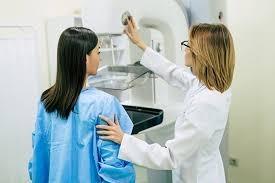
A mammogram is one of the most important tools in the early detection of breast cancer. It is a specialized X-ray of the breast that helps doctors identify abnormalities or changes in breast tissue that may not be noticeable during a physical examination. For women, regular screening is crucial, especially for those above 40 or with a family history of breast cancer.If you are looking for reliable services, a Mammogram in Islamabad offers advanced imaging technology and experienced radiologists to ensure accurate results. In this article, we will answer the most common questions about mammograms, their safety, and what to expect during the procedure.
What Is the Purpose of a Mammogram?
A mammogram primarily serves as a screening and diagnostic tool. Screening mammograms are recommended for women who have no symptoms, aiming to detect cancer at its earliest stages. Diagnostic mammograms, on the other hand, are used if a patient has symptoms such as a lump, nipple discharge, or breast pain.
The purpose of a mammogram includes:
-
Detecting breast cancer early, even before symptoms appear.
-
Monitoring changes in breast tissue over time.
-
Guiding doctors in recommending further tests, like biopsies or ultrasounds.
Early detection through mammograms has been shown to significantly improve the chances of successful treatment and recovery.
How Does a Mammogram Work?
A mammogram uses low-dose X-rays to capture detailed images of the breast tissue. During the procedure, the breast is compressed between two plates to spread the tissue apart, allowing the X-ray to capture a clearer image.
Here’s how it works step by step:
-
Preparation: The patient removes clothing from the waist up and wears a gown.
-
Positioning: The technologist positions the breast on the mammography machine.
-
Compression: The breast is gently compressed between two plates for a few seconds.
-
Imaging: X-rays pass through the tissue to create images. Usually, two views of each breast are taken.
-
Evaluation: A radiologist examines the images for any abnormal areas, calcifications, or masses.
This method allows for the detection of small tumors that cannot be felt, making mammograms a vital part of preventive healthcare.
Who Should Get a Mammogram?
Mammogram guidelines vary depending on age, risk factors, and medical history. Typically:
-
Women aged 40–49: Should discuss with their doctor about starting regular screenings.
-
Women aged 50–74: Recommended to have a mammogram every 1–2 years.
-
High-risk women: Those with a family history of breast cancer, genetic mutations (BRCA1 or BRCA2), or previous breast conditions may need earlier or more frequent screenings.
Your doctor can help create a personalized screening plan based on your health history.
Are Mammograms Safe?
Mammograms are considered very safe. The X-ray dose is low, and the benefits of early detection far outweigh the minimal risks. Some patients may experience temporary discomfort during compression, but it is brief.
Key safety points include:
-
Low radiation exposure.
-
Quick procedure (usually 15–30 minutes).
-
Non-invasive with no recovery time needed.
Women who are pregnant should inform their doctor, as alternative imaging may be recommended.
What Should I Expect During a Mammogram?
Understanding what happens during a mammogram can reduce anxiety and make the process smoother.
-
Before the exam: Avoid using deodorants, perfumes, or powders on the day of the test.
-
During the exam: The technologist will guide you into position and compress the breast briefly. Communication is encouraged to minimize discomfort.
-
After the exam: You can resume normal activities immediately. Results are usually sent to your doctor within a few days.
The procedure may feel slightly uncomfortable, but it is crucial for accurate imaging.
Reviews of Mammogram Services in Islamabad
Many patients in Islamabad have shared positive experiences regarding mammogram services:
-
“The staff were very professional, and the process was quick. I felt well-informed and comfortable throughout the exam.”
-
“I was nervous at first, but the radiologist explained everything. The results were accurate and helped me take preventive steps.”
-
“The machines are modern, and the images were clear. I appreciate the detailed consultation after my screening.”
These reviews highlight the importance of choosing a reputable clinic for mammography to ensure both accuracy and patient comfort.
How Often Should I Get a Mammogram?
The frequency of mammograms depends on individual risk factors:
| Age Group / Risk | Recommended Frequency | Notes |
|---|---|---|
| 40–49 years | Every 1–2 years | Discuss with doctor based on family history |
| 50–74 years | Every 1–2 years | Standard screening recommendation |
| High-risk women | Annually or as advised | Includes BRCA mutation carriers or strong family history |
| Over 75 years | As advised | Depends on overall health and prior results |
Regular screening ensures that any abnormality is detected early when treatment is most effective.
What Are the Different Types of Mammograms?
There are several types of mammograms tailored to different needs:
-
Digital Mammography: Captures images electronically for easier storage and sharing.
-
3D Mammography (Tomosynthesis): Provides multiple layers of images, improving detection rates in dense breast tissue.
-
Diagnostic Mammography: Used for patients with symptoms or abnormal findings.
-
Screening Mammography: Routine checks for women without symptoms.
Your doctor can recommend the most appropriate type based on your age, breast density, and health history.
Can Mammograms Detect All Breast Cancers?
While mammograms are highly effective, no screening test is perfect. Some cancers may be missed, especially in women with dense breast tissue. In such cases, additional imaging like ultrasound or MRI may be recommended.It is important to combine regular self-exams, clinical exams, and mammography for the most comprehensive breast health monitoring.
What Are the Common Myths About Mammograms?
There are several misconceptions about mammograms that may discourage women from getting screened:
-
Myth 1: Mammograms are painful.
Reality: Some discomfort is possible, but it is brief and manageable. -
Myth 2: Only older women need mammograms.
Reality: Screening recommendations start at 40, but high-risk younger women may also need early screening. -
Myth 3: Mammograms can cause cancer.
Reality: The low-dose X-rays used in mammograms are safe and the benefits far outweigh the minimal risks.
Understanding these facts helps women make informed decisions about their health.
How to Prepare for a Mammogram?
Proper preparation can improve comfort and accuracy:
-
Schedule your mammogram when breasts are less tender (usually a week after your menstrual cycle).
-
Avoid deodorants, powders, or lotions on the day of the exam.
-
Bring previous mammogram images if available for comparison.
-
Wear a two-piece outfit for easier access.
-
Communicate any concerns or discomfort with the technologist.
Being prepared ensures the procedure is smooth and results are reliable.
When Should I See a Doctor After a Mammogram?
You should consult your doctor if:
-
Your mammogram shows suspicious areas or masses.
-
You experience new lumps, nipple discharge, or breast pain.
-
You have dense breast tissue, and additional imaging is recommended.
Early consultation allows for prompt diagnosis and treatment if necessary.
Quick Facts About Mammograms
| Feature | Details |
|---|---|
| Type | Screening / Diagnostic / 3D / Digital |
| Duration | 15–30 minutes |
| Radiation | Low-dose X-rays |
| Discomfort | Mild, brief compression |
| Recommended Age | 40+ (earlier for high-risk) |
| Frequency | 1–2 years (based on risk and age) |
| Safety | Safe for most women; inform if pregnant |
Conclusion
A mammogram is an essential part of preventive breast care, helping detect cancer early and save lives. By understanding how it works, who should get screened, and what to expect, women can take proactive steps toward maintaining their breast health. Choosing a reputable clinic, like a Mammogram in Islamabad, ensures accurate results and a comfortable experience.Regular screenings, combined with self-exams and clinical check-ups, remain the most effective approach to early detection and treatment of breast cancer.
Contact Us
If you are due for a mammogram or want to schedule an appointment, our clinic provides expert care with modern imaging technology.
Address : Office Number LG 20 - 21 Interlace Plaza I-8 Markaz Islamabad
Phone : +92 333 5705871
Email : info@glamorousclinic.com.pk
Link : https://www.glamorousclinic.com.pk/
Nach Verein filtern
Read More
A bedroom is more than four walls and a mattress. It’s your private corner after a long day. It’s where you switch off the noise. If you are searching for a luxury bed in Noida, you’re not just buying furniture. You’re choosing comfort, design, and a little bit of pride. At Anurama Furnico, we’ve seen how the right bed can change the whole mood of a room. People...

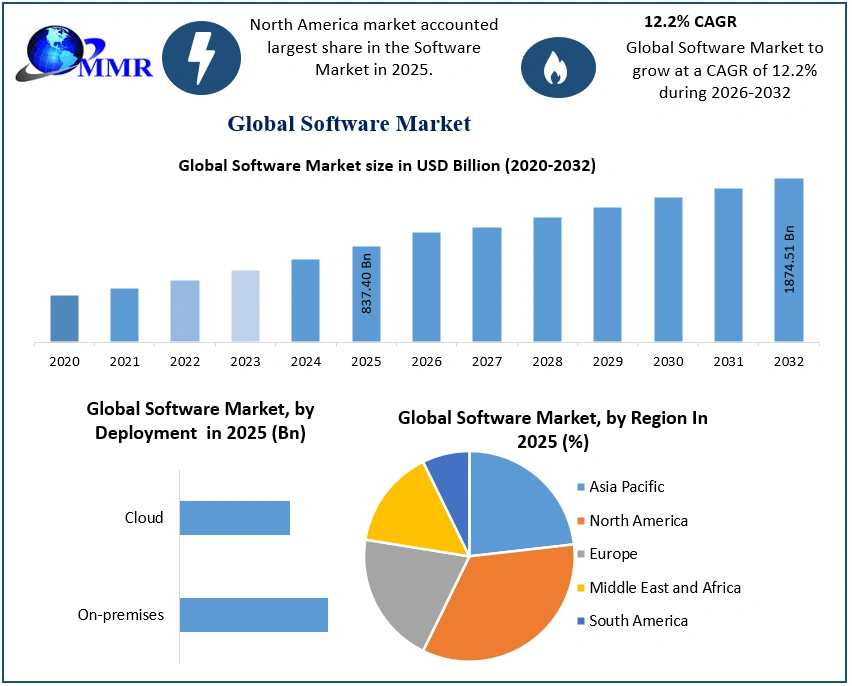
Software Market to Reach USD 1.48 Trillion by 2032 at 11.6% CAGR | AI-Driven Digital Transformation, Billion-Dollar Opportunity & Future of Enterprise Technology The global Software Market is entering a high-growth digital transformation era as AI integration, cloud computing, enterprise automation, and next-generation digital ecosystems reshape industries worldwide. According...
Why Choosing the Right Tools Matters Before we look at the list, it is important to understand why tool selection is important. A good cutting setup improves surface finish, reduces machine load, and increases tool life. On the other hand, using the wrong option can lead to poor results, tool breakage, and wasted material. Also, many people now prefer buying from a cnc tool online shop india...

As someone who cut their survival-game teeth on Funcom’s Conan Exiles, I was curious to see how its spiritual successor, Dune: Awakening, would stack up. Both games adapt iconic franchises and share a developer, but they take different paths within the genre. After spending time in both worlds, I’ve formed a clear picture of where each excels—and which one deserves the...
Data Bridge Market Research analyses that the nasal spray vaccine market was valued at USD 122.287 million in 2021 and is expected to reach USD 250.91 million by 2029, registering a CAGR of 9.40% during the forecast period of 2022 to 2029. The global business landscape is undergoing a transformation, with industries increasingly leaning on deep research and actionable insights to make strategic...