


How to Plan a Perfect Visit to Malta
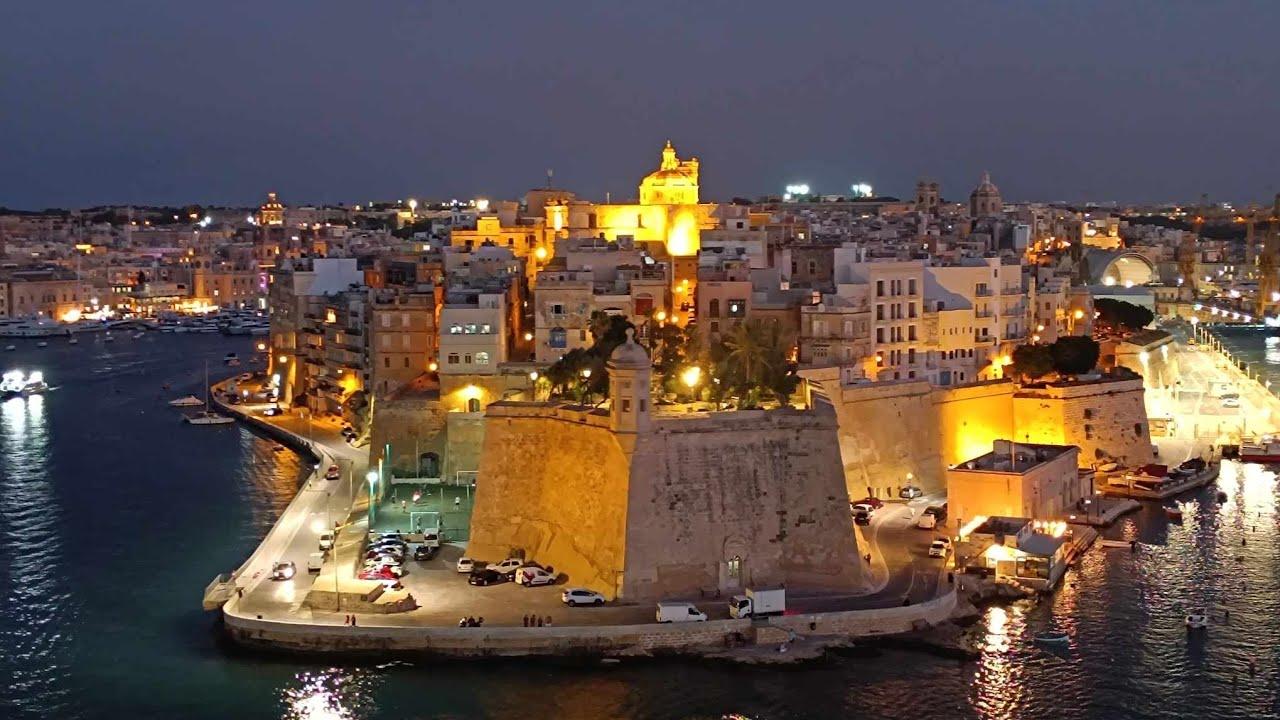
Malta is one of Europe's most densely historic and naturally beautiful nations. Despite its small size, it offers an extraordinary variety of experiences. Ancient temples predate the Egyptian pyramids by thousands of years. Baroque architecture fills the streets of the UNESCO-listed capital city. And then there are the waters, most famously those around Comino Island.
Why Malta Deserves More Than a Weekend Trip
Many visitors allocate only a short break for Malta. This often turns out to be a regrettable mistake. One week allows for a thorough and deeply satisfying exploration. Two weeks enable a genuinely relaxed and comprehensive experience. The country rewards slower travel and deeper engagement.
History layers upon history at nearly every corner in Malta. The Phoenicians, Romans, Arabs, Normans, and Knights of St. John all left their marks. British colonial influence shapes the architecture and culture significantly. This rich layering creates a uniquely complex cultural landscape. Understanding this history dramatically enriches your overall experience.
Setting Your Travel Priorities Early
Identifying your priorities before arriving makes planning far more effective. Are you primarily interested in history and culture? Or does beach life and water sports take precedence? Most travelers find themselves drawn equally to both dimensions. Building an itinerary that balances these interests creates the most satisfying experience.
Malta's compact geography works in your favor here. No point on the island is more than an hour from another by car. This makes combining cultural visits with beach days genuinely practical. Morning temple visits followed by afternoon swimming sessions work perfectly. Flexibility remains the most valuable asset in any Malta travel plan.
Choosing When to Visit Malta
Malta is a year-round destination with distinct seasonal personalities. Summer brings heat, crowds, and vibrant social energy. Spring and autumn offer comfortable temperatures and fewer tourists. Winter is mild by European standards but unsuitable for beach activities.
For first-time visitors, May or September represent ideal timing. These months offer genuine warmth without oppressive heat. The sea remains warm enough for comfortable swimming in both months. Tourist numbers are meaningfully lower than in peak summer. Hotel rates and flight prices also tend to be more affordable.
Month-by-Month Breakdown
January and February are Malta's quietest and coolest months. Average temperatures hover around 12 to 14 degrees Celsius. This suits visitors focused entirely on history and culture. March and April signal the beginning of tourist season. Wildflowers blanket the countryside, creating stunning landscapes.
May marks the beginning of genuine beach weather. June through August deliver peak Mediterranean summer conditions. September and October remain excellent for mixed culture and beach trips. November and December see the island quiet down considerably. Christmas in Malta has its own unique charm worth experiencing.
Planning Your Itinerary in Malta
A well-structured itinerary balances major attractions with spontaneous exploration. Begin your trip in Valletta, the island's compact capital city. Spend at least a full day exploring its streets and landmarks. The Grand Harbour views from Valletta's Upper Barrakka Gardens are exceptional. St. John's Co-Cathedral houses one of Europe's finest Baroque interiors.
The Three Cities of Vittoriosa, Senglea, and Cospicua lie across the harbor. They offer equally rich history with significantly fewer tourists. Ferry services connect Valletta to the Three Cities in minutes. This short crossing provides magnificent views of the Grand Harbour. It is one of the great free experiences in all of Malta.
Including Gozo in Your Plan
Gozo deserves dedicated time within any Malta itinerary. The ferry crossing from Ċirkewwa to Mġarr takes approximately 25 minutes. Gozo's slower pace and dramatic landscape contrast beautifully with Malta. The Ggantija Temples are the main archaeological attraction on the island. The Citadella in Victoria offers panoramic views across the entire island.
Ramla Bay on Gozo's north coast has Malta's finest sandy beach. Its distinctive rust-colored sand sets it apart from Malta's paler beaches. Gozo diving is world-renowned for its exceptional visibility and dramatic sites. The former Azure Window site, though collapsed, still draws divers to its underwater remains.
The Essential Comino Experience
No Malta visit is complete without experiencing Comino's famous turquoise waters. This tiny island between Malta and Gozo hosts the region's most iconic natural attraction. Planning this experience properly ensures you enjoy it to the maximum. Advance research into transport options saves time and prevents confusion on the day.
Deciding to swim in Blue Lagoon Malta is one decision most visitors make immediately. The water's legendary clarity and color lives up to every expectation. First-time visitors consistently describe the experience as genuinely surreal. The color is difficult to believe until you see it with your own eyes.
Making the Most of Your Comino Day
Book your Comino transport at least several days before your planned visit. During peak months, popular tour operators sell out quickly. Choosing an operator with good reviews and transparent pricing matters greatly. Early morning departure is strongly recommended for the best experience.
Bring sufficient water, sunscreen, and snorkeling equipment from Malta. The island's facilities are limited and prices at onsite kiosks are high. Arriving prepared means spending your time enjoying the water rather than searching for supplies. Give yourself a full day rather than rushing a half-day visit.
Malta's Food Scene and Culinary Culture
Maltese cuisine reflects centuries of cultural exchange and Mediterranean influence. It blends Italian, Arabic, and British elements in distinctive ways. Pastizzi, flaky savory pastries filled with ricotta or mushy peas, are iconic. They are available from pastizzeria throughout the country for just cents each. Trying them is an absolute must for every visitor.
Rabbit stew, known as stuffat tal-fenek, is the Maltese national dish. It is slow-cooked with tomatoes, red wine, herbs, and vegetables. Most traditional restaurants serve a version of this hearty, deeply flavored stew. Pairing it with local Maltese wine creates a genuinely authentic dining experience. Several local wineries produce excellent reds and whites from indigenous grape varieties.
Where to Eat Like a Local
Avoiding tourist-trap restaurants in prime locations requires some navigation. Heading one or two streets away from major attractions often reveals better value. Local villages like Marsaxlokk, Birgu, and Rabat have excellent traditional restaurants. Sunday morning at Marsaxlokk's fish market is a highlight of Maltese food culture. Fresh seafood is sold alongside prepared foods in a lively market atmosphere.
Street food culture is growing in Valletta and surrounding areas. Pop-up food markets and food festivals occur regularly throughout the tourist season. Checking local event calendars identifies the best food experiences during your visit. Genuine local food is almost always better and more affordable than tourist-oriented options.
Getting Around Malta Efficiently
Malta's public bus network covers most of the island comprehensively. Services connect major towns, beaches, and tourist attractions throughout the day. A seven-day bus pass offers excellent value for visitors using public transport frequently. The Tallinja Card makes bus travel even more affordable for longer stays.
Rental cars provide maximum flexibility for exploring the island independently. Roads can be narrow and driving habits differ from Northern European norms. GPS navigation is strongly recommended even for experienced drivers. Parking is available at most major sites but can be limited in Valletta.
Walking and Cycling in Malta
Valletta and the Three Cities are best explored entirely on foot. Their compact layouts and pedestrian-friendly streets reward walkers greatly. Walking reveals architectural details and hidden courtyards that cars simply cannot access. Comfortable shoes with good grip are essential for cobblestone streets.
Cycling is growing in popularity across Malta and Gozo. Dedicated cycling paths are limited but improving year by year. Electric bike rentals make hilly terrain far more manageable for casual cyclists. Cycling around Gozo is particularly enjoyable due to its scenic rural roads.
Final Travel Tips for a Perfect Malta Visit
Book flights and accommodation well in advance for summer visits. Malta's limited accommodation capacity means desirable properties sell out fast. Travel insurance is a sensible investment for any international trip. Including medical and cancellation coverage provides genuine peace of mind.
Learn a few words of Maltese before arriving. Locals genuinely appreciate visitors making even minimal efforts with their language. English is universally spoken, so communication is never a barrier. But Maltese cultural warmth responds positively to respectful engagement. Malta rewards visitors who approach it with curiosity, respect, and genuine enthusiasm.
Категории
Больше
Polaris Market Research recently introduced the latest update on U.S. Industrial Services Market is currently valued at USD 10.32 Billion in 2024 and is anticipated to generate an estimated revenue of USD 17.39 Billion by 2034, according to the latest study by Polaris Market Research. Besides, the report notes that the market exhibits a robust 5.37% Compound Annual Growth Rate (CAGR) over...

Polaris Market Research has introduced the latest market research report titled Vapor Recovery Units Market Size, Share, Trends, & Industry Analysis Report : By Application (Processing, Storage, Transportation, and Railcar Loading), By End-User, By Technology, and By Region – Market Forecast, 2025–2034 that highlights the major revenue stream for the forecast period....
The Machine That Never Stopped Working: Why Reciprocating Air Compressors Still Matter In an industrial world obsessed with the next big innovation, it's easy to overlook technology that simply works, and keeps working, decade after decade. The reciprocating air compressor is exactly that kind of machine. Built on a design principle over a century old a piston, a crankshaft, and a cylinder...
In 2026, Burn Slim has become one of the most trending weight loss supplements across the United States, including Wisconsin. Promoted as a “natural fat-burning formula” based on a viral gelatin trick, it claims to help users lose weight without extreme dieting. But what are real users in the USA actually experiencing?Is Burn Slim delivering real results—or just hype? What is...

Market Overview and Growth Outlook The Logistics Automation Market was valued at USD 34.9 billion in 2024 and is expected to reach USD 38.1 billion in 2025. During the forecast period of 2025–2032, the market is projected to reach USD 67.8 billion, growing at a CAGR of 8.60%. Competitive positioning increasingly depends on an organization's ability to optimize logistics processes through...
