Dental Health: Comprehensive Guide to a Healthy Smile

Good dental health is a cornerstone of overall wellness. Oral health impacts not only teeth and gums but also digestion, heart health, and self-confidence. Maintaining strong teeth, healthy gums, and fresh breath requires consistent care, proper diet, and preventive measures.
This comprehensive guide covers dental health in detail, exploring common issues, preventive strategies, oral hygiene practices, diet, professional care, and lifestyle tips to keep your smile bright and your mouth healthy.
Understanding Dental Health
Dental health refers to the care and maintenance of teeth, gums, and other structures in the oral cavity. Healthy teeth allow proper chewing, clear speech, and confident smiles, while healthy gums prevent infections and systemic complications.
Oral health is influenced by multiple factors:
-
Oral hygiene habits
-
Diet and nutrition
-
Genetics and age
-
Lifestyle factors such as smoking and alcohol consumption
-
Access to professional dental care
Prioritizing dental health ensures long-term benefits for both oral and overall wellness.
Importance of Dental Health
Maintaining good dental health offers numerous advantages:
-
Prevents Tooth Decay: Proper brushing and flossing reduce cavities
-
Protects Gums: Prevents gingivitis and periodontal disease
-
Supports Digestion: Healthy teeth enable effective chewing
-
Boosts Self-Confidence: A healthy smile enhances social interactions
-
Reduces Risk of Systemic Disease: Poor dental health is linked to heart disease, diabetes, and respiratory conditions
Healthy teeth and gums play a key role in both physical and mental well-being.
Common Dental Health Issues
Several common problems can affect oral health, including:
1. Tooth Decay (Cavities)
Caused by bacteria breaking down sugars in the mouth, leading to enamel erosion and cavities. Symptoms include tooth sensitivity and pain.
2. Gum Disease
Inflammation of the gums due to plaque buildup. Gingivitis is mild and reversible, while periodontitis is severe and can result in tooth loss.
3. Bad Breath (Halitosis)
Often caused by poor oral hygiene, gum disease, or underlying medical conditions.
4. Tooth Sensitivity
Discomfort caused by exposed dentin due to enamel erosion or gum recession.
5. Oral Cancer
A serious condition often associated with tobacco or alcohol use, requiring early detection for successful treatment.
Understanding these issues helps individuals adopt preventive habits and seek professional care promptly.
Risk Factors for Poor Dental Health
Certain factors increase the likelihood of dental problems:
-
Poor Oral Hygiene: Infrequent brushing or flossing
-
High Sugar Diet: Promotes bacterial growth and tooth decay
-
Smoking and Tobacco Use: Increases risk of gum disease and oral cancer
-
Alcohol Consumption: Can dry out the mouth and irritate gums
-
Medical Conditions: Diabetes, autoimmune diseases, and medications affecting saliva
-
Age: Older adults may experience enamel wear and gum recession
Awareness of these factors enables proactive measures to maintain dental health.
Daily Dental Care Practices
Proper oral hygiene is the foundation of dental health. Key practices include:
-
Brushing: Use fluoride toothpaste twice daily for at least two minutes
-
Flossing: Removes plaque and debris between teeth
-
Mouthwash: Helps reduce bacteria and freshen breath
-
Tongue Cleaning: Prevents bacteria accumulation causing bad breath
-
Regular Dental Checkups: Professional cleanings and early detection of problems
Consistent daily care prevents cavities, gum disease, and other oral health issues.
Diet and Dental Health
Nutrition significantly affects dental health:
-
Calcium-Rich Foods: Milk, cheese, and yogurt strengthen teeth
-
Vitamin D: Supports calcium absorption for strong bones and teeth
-
Phosphorus: Found in meat, eggs, and fish, supports enamel formation
-
Fruits and Vegetables: High in fiber, promote saliva production and clean teeth
-
Limit Sugary and Acidic Foods: Reduce risk of enamel erosion and cavities
A balanced diet helps maintain strong teeth and healthy gums, complementing good oral hygiene.
Preventive Dental Treatments
Professional interventions play a vital role in maintaining dental health:
-
Fluoride Treatments: Strengthen enamel and prevent cavities
-
Dental Sealants: Protective coatings on molars to prevent decay
-
Regular Cleanings: Remove plaque and tartar buildup
-
Orthodontics: Correct misaligned teeth, improving function and hygiene
-
Screening for Oral Cancer: Early detection improves treatment outcomes
Preventive care reduces the need for extensive dental procedures and maintains long-term oral health.
The Role of Hydration in Dental Health
Adequate hydration supports oral health:
-
Saliva Production: Saliva neutralizes acids, washes away food particles, and prevents bacterial growth
-
Hydration: Reduces dry mouth, a risk factor for cavities and gum disease
Drinking water regularly, especially after meals, promotes a cleaner and healthier oral environment.
Dental Health Across Life Stages
Children
-
Establish proper brushing and flossing habits
-
Limit sugary snacks and drinks
-
Regular dental checkups for early cavity prevention
Adults
-
Maintain daily oral hygiene routines
-
Monitor for gum disease and enamel wear
-
Adopt preventive measures for long-term dental health
Seniors
-
Manage gum recession, tooth loss, and dry mouth
-
Ensure proper denture care if applicable
-
Regular screenings for oral cancer and dental complications
Tailored strategies at each life stage ensure optimal dental health.
Lifestyle Habits That Support Dental Health
-
Avoid Tobacco Products: Reduces risk of gum disease and oral cancer
-
Limit Alcohol: Excessive intake can irritate gums and affect oral tissues
-
Exercise: Supports circulation and overall health, indirectly benefiting oral health
-
Stress Management: Reduces teeth grinding and jaw clenching
Incorporating healthy habits supports both dental and systemic health.
Dental Health and Oral Infections
Oral infections like gum disease and abscesses can affect systemic health:
-
Gum disease is linked to heart disease, diabetes, and respiratory infections
-
Untreated dental infections can spread to other parts of the body
-
Maintaining good dental hygiene and seeking early treatment prevents complications
For more dental health tips, visit Biodentix
Addressing Common Dental Problems
Tooth Decay
-
Brush and floss regularly
-
Limit sugary foods and drinks
-
Seek fillings or restorations promptly
Gum Disease
-
Use antimicrobial mouthwash
-
Professional cleaning and scaling
-
Maintain consistent oral hygiene
Sensitive Teeth
-
Use toothpaste for sensitive teeth
-
Avoid extremely hot or cold foods and drinks
Bad Breath
-
Proper brushing, flossing, and tongue cleaning
-
Stay hydrated and maintain regular dental visits
Timely interventions help manage and prevent worsening dental issues.
Dental Health and Mental Wellbeing
A healthy smile enhances self-confidence, communication, and social interactions. Poor dental health may lead to:
-
Self-consciousness or anxiety about appearance
-
Avoidance of social situations
-
Reduced overall quality of life
Investing in dental health supports both physical and mental well-being.
Dental Health for a Lifetime
Maintaining dental health requires a lifelong commitment:
-
Consistent oral hygiene habits
-
Balanced nutrition
-
Routine dental checkups and preventive care
-
Avoiding harmful lifestyle choices like smoking
-
Early intervention for emerging issues
Adopting these habits ensures a strong, healthy, and attractive smile throughout life.
The Role of Dental Professionals
Dental professionals guide individuals in maintaining oral health:
-
Provide routine examinations and cleanings
-
Offer preventive treatments and restorations
-
Educate on oral hygiene, diet, and lifestyle practices
-
Detect and manage oral health conditions early
Working with dental professionals ensures optimal dental health and prevention of complications.
Emerging Trends in Dental Health
Advances in dental care improve prevention and treatment:
-
Laser Dentistry: Less invasive treatments for cavities and gum disease
-
Digital Imaging: Early detection of dental issues
-
Teledentistry: Remote consultations for education and care
-
Biomaterials: Improved fillings and crowns for long-lasting dental restoration
Modern techniques enhance patient comfort, efficiency, and outcomes in dental health management.
Creating a Personalized Dental Care Plan
A personalized dental care plan optimizes oral health:
-
Daily brushing and flossing routine
-
Balanced diet with vitamins and minerals
-
Regular dental checkups every 6 months
-
Address specific conditions like sensitivity or gum disease
-
Track oral habits and outcomes for continuous improvement
For more dental health guidance, visit biodentix
Personalized strategies ensure sustained oral health and prevent future problems.
Final Thoughts
Dental health is essential for overall well-being, confidence, and longevity. By adopting consistent oral hygiene practices, maintaining a balanced diet, staying hydrated, exercising, and seeking professional care, individuals can protect their teeth and gums for life. Early preventive care and healthy lifestyle choices are key to maintaining a strong, radiant smile.
الأقسام
إقرأ المزيد
Relocating to a new home or office in Gurgaon, officially known as Gurugram, can be both exciting and stressful. As one of India’s fastest-growing corporate and residential hubs, the city witnesses frequent movement of families and businesses. With busy roads, high-rise apartments, and tight schedules, managing a move on your own can quickly become overwhelming. This is where...

Automotive Automated Parking System Market Size, Share & Growth Forecast 2025–2034 Market Overview The Automotive Automated Parking System Market is witnessing substantial growth as vehicle manufacturers increasingly integrate intelligent parking technologies into modern vehicles. Automated parking systems assist drivers in maneuvering vehicles into parking spaces with minimal or no...

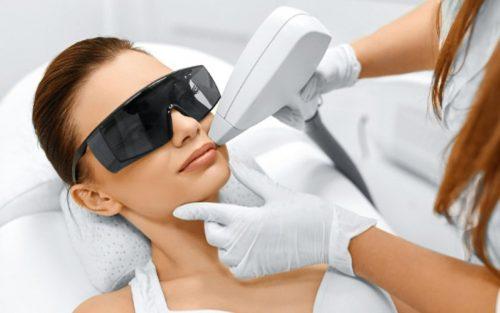
Laser Hair Bleaching in Dubai has become a popular aesthetic choice for individuals who want a smoother and more refined appearance without fully removing unwanted hair. Instead of eliminating hair from the root, this treatment focuses on lightening the color of the hair, making it far less visible on the skin. This modern approach to cosmetic enhancement is ideal for people looking for subtle...

مع اقتراب فصل الصيف في دولة الإمارات، تزداد الرغبة في الاستمتاع بالشواطئ الخلابة والأنشطة الخارجية والفعاليات الاجتماعية التي تميز مدينة دبي. ولأن الإطلالة المثالية تبدأ من تفاصيل العناية بالبشرة، تسعى السيدات دائماً للحصول على بشرة ناعمة كالحرير وخالية من الشعر الزائد بشكل دائم. لقد ولت أيام الطرق التقليدية المؤلمة والمؤقتة مثل الشمع والحلاقة، حيث أصبح خيار إزالة الشعر بالليزر في دبي هو الحل...
Making Fortinet FCSS_LED_AR-7.6 Exam Study Simple and Stress-Free Preparing for the Fortinet FCSS_LED_AR-7.6 exam does not have to feel stressful or confusing. Many students struggle because they study too much without a clear plan. They read many resources but still feel unsure about what really matters for the exam. Choosing clear and trusted Fortinet FCSS_LED_AR-7.6 study material makes...