


Brain Health: Your Complete Guide to Memory, Focus, and Mental Clarity
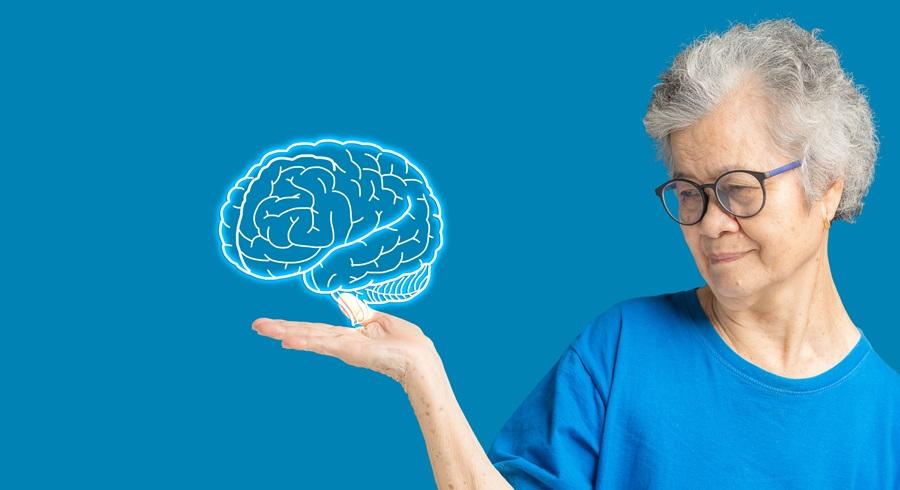
Your brain is one of the most powerful organs in your body. It controls your thoughts, emotions, movements, memory, and decision-making. From the moment you wake up until you fall asleep, your brain works non-stop. That is why taking care of your brain health should be a top priority at every age.
Many people only think about cognitive function when they begin to notice forgetfulness or difficulty concentrating. However, protecting and strengthening the brain is something that should start early and continue throughout life. The good news is that you don’t need complicated routines to keep your mind sharp. Small daily habits can make a big difference.
In this detailed guide, you’ll learn what brain health truly means, what affects it, and how you can naturally support memory, focus, and long-term mental performance.
What Is Brain Health?
Brain health refers to how well your brain performs across different functions, including:
- Memory
- Focus and attention
- Learning ability
- Emotional balance
- Decision-making
- Problem-solving
When your brain is functioning well, you feel mentally clear, alert, and capable. You can concentrate on tasks, recall information easily, and manage stress effectively.
Good brain health does not mean you will never forget anything. Occasional forgetfulness is normal. It means your mind is working efficiently and adapting to daily challenges.
Why Brain Health Matters at Every Age
Some people believe cognitive care is only important for older adults. In reality, your brain changes throughout your entire life.
In Your 20s and 30s
This stage often involves education, career growth, and major life decisions. A strong brain supports productivity, creativity, and quick thinking.
In Your 40s and 50s
Work responsibilities and family commitments can increase stress. Maintaining mental clarity helps manage multiple tasks effectively.
In Your 60s and Beyond
The focus shifts to preserving memory, independence, and mental sharpness.
At every stage, lifestyle choices directly influence brain health.
Early Signs Your Brain Needs Support
Your brain often sends subtle signals when it needs extra care.
Common signs include:
- Frequent forgetfulness
- Trouble concentrating
- Mental fatigue
- Slow thinking
- Mood changes
- Difficulty learning new information
These symptoms don’t always indicate a serious problem, but they can suggest it’s time to improve daily habits.
Key Factors That Affect Brain Health
Many lifestyle elements play a role in cognitive function.
1. Nutrition
Your brain requires steady fuel. It depends on vitamins, minerals, healthy fats, and antioxidants to perform properly.
Important nutrients include:
- Omega-3 fatty acids
- B vitamins
- Vitamin D
- Magnesium
- Antioxidants
A diet rich in fruits, vegetables, whole grains, lean proteins, and healthy fats supports mental performance.
2. Physical Activity
Exercise increases blood flow to the brain. This delivers oxygen and nutrients that help brain cells function efficiently.
Regular movement has been linked to improved memory and focus.
3. Sleep Quality
Sleep is when your brain organizes information and clears waste. Poor sleep can reduce attention, memory retention, and emotional stability.
4. Stress Levels
Chronic stress may affect memory and concentration. Learning to manage stress is essential for long-term brain health.
5. Mental Stimulation
The brain needs challenges to stay strong. Reading, puzzles, learning new skills, and meaningful conversations keep neural pathways active.
Best Foods to Support Brain Health
Nutrition plays a major role in maintaining cognitive strength.
Fatty Fish
Rich in omega-3 fatty acids that support brain cell structure.
Leafy Greens
Spinach and kale contain antioxidants that protect brain cells.
Berries
Known for their antioxidant content, which may support memory.
Nuts and Seeds
Provide healthy fats and vitamin E.
Whole Grains
Offer steady energy for mental focus.
Eggs
Contain nutrients that support brain communication pathways.
Eating a balanced diet helps maintain consistent energy and prevents brain fog.
The Role of Hydration
Even mild dehydration can affect concentration and mood.
Your brain is largely made of water. Staying hydrated supports:
- Faster thinking
- Better memory recall
- Improved attention
- Reduced fatigue
Make water intake part of your daily routine.
Exercise and Cognitive Performance
Physical activity doesn’t only benefit muscles—it also supports mental clarity.
Regular exercise can:
- Improve memory
- Reduce stress
- Enhance mood
- Support better sleep
- Increase alertness
Activities such as walking, swimming, cycling, or yoga can all contribute to stronger brain health.
Aim for at least 30 minutes of moderate activity most days of the week.
Sleep: The Brain’s Recovery Time
Sleep allows the brain to:
- Store memories
- Repair cells
- Remove toxins
- Reset emotional balance
Adults should aim for 7–9 hours of quality sleep per night.
To improve sleep:
- Keep a consistent bedtime
- Reduce screen exposure before sleep
- Create a calm sleeping environment
- Limit caffeine in the evening
Good sleep is one of the most powerful ways to support brain health.
Mental Exercises to Keep Your Brain Sharp
Just like muscles need workouts, your brain needs stimulation.
Try:
- Reading regularly
- Solving puzzles
- Playing strategy games
- Learning a new language
- Practicing memory exercises
- Writing or journaling
Challenging your brain strengthens neural connections and improves cognitive flexibility.
Managing Stress for Better Brain Function
Long-term stress may interfere with memory and concentration.
Healthy stress-management techniques include:
- Deep breathing
- Meditation
- Spending time in nature
- Talking with friends
- Listening to calming music
- Practicing gratitude
Small daily relaxation practices protect mental clarity.
Social Interaction and Brain Strength
Human connection plays an important role in cognitive wellness.
Meaningful conversations stimulate thinking and emotional balance. Social engagement can help reduce stress and support mental sharpness.
Maintaining relationships and staying socially active benefits overall brain health.
Brain Health and Aging
Aging is natural, but cognitive decline is not always unavoidable.
Research shows that people who maintain active lifestyles, balanced diets, and strong social connections often preserve memory and focus longer.
Healthy habits can slow age-related changes and support independence.
It’s never too early or too late to begin caring for your brain.
Protecting Your Brain from Harm
Prevention is essential.
Helpful protective measures include:
- Wearing helmets during sports
- Avoiding smoking
- Limiting excessive alcohol
- Managing blood pressure
- Controlling blood sugar
- Maintaining a healthy weight
Overall physical health supports cognitive strength.
Creating a Daily Brain Health Routine
Here’s a simple daily plan:
Morning:
- Drink water after waking
- Eat a nutrient-rich breakfast
- Take a short walk
Afternoon:
- Stay hydrated
- Take short mental breaks
- Eat balanced meals
Evening:
- Light stretching or relaxation
- Reduce screen time
- Get consistent sleep
Small, consistent habits lead to powerful long-term results.
Natural Support for Brain Health
In addition to diet and lifestyle improvements, some individuals explore natural cognitive-support formulas to fill nutritional gaps.
These may include ingredients known to support memory, focus, and mental clarity.
Support for brain health works best when combined with healthy habits like exercise, balanced nutrition, and proper sleep.
Before starting any new routine, consider your overall lifestyle and needs.
Common Myths About Brain Health
Myth 1: Memory Loss Is Inevitable
While some changes are normal, many lifestyle choices influence cognitive outcomes.
Myth 2: Brain Games Alone Are Enough
Mental exercises help, but nutrition, sleep, and physical activity are equally important.
Myth 3: Only Seniors Need Brain Support
Cognitive performance matters at every age.
Long-Term Strategies for Strong Brain Health
The key to lasting results is consistency.
Focus on:
- Balanced nutrition
- Regular exercise
- Quality sleep
- Mental challenges
- Social engagement
- Stress management
These combined efforts create a strong foundation for long-term brain health.
Final Thoughts
Your brain controls every thought, action, and emotion. Supporting brain health is one of the most important investments you can make in your overall well-being.
By practicing healthy daily habits—such as eating nutritious foods, staying active, managing stress, sleeping well, and challenging your mind—you can maintain clarity, focus, and memory throughout life.
Small steps taken consistently can protect cognitive strength and improve mental confidence. Start today and build habits that support your mind for years to come.
Категории
Больше
According to the latest report published by Data Bridge Market Research, the Iron Oxide Pigment Market The global iron oxide pigment market size was valued at USD 2.60 billion in 2024 and is expected to reach USD 3.65 billion by 2032, at a CAGR of 4.34% during the forecast period The market growth is largely fueled by increasing demand from...

The Integrated Development Platform (IDP) Market Growth is witnessing steady expansion, driven by the rapid evolution of software development practices and increasing enterprise reliance on digital transformation. These platforms provide a unified environment that integrates coding, testing, deployment, and monitoring, enabling organizations to accelerate application development...

A reliable septic system is one of the most important investments for homes and properties in Iowa that are not connected to a municipal sewer line. A properly designed and installed system safely manages wastewater, protects groundwater, and supports the long-term value of your property. Whether you are building a new home or replacing an aging system, understanding the installation process...

Lebanese food has gained worldwide recognition for its fresh flavors, balanced meals, and health benefits. Rooted in the Mediterranean diet, Lebanese dishes emphasize vegetables, grains, lean proteins, and heart-healthy fats, making them one of the best options for anyone looking to maintain a wholesome lifestyle. Beyond its culinary appeal, Lebanese food is also a reflection of culture...

Online betting has grown rapidly in recent years, offering people a fun, exciting, and convenient way to enjoy games from the comfort of their homes. Among the many platforms available today, https://jilibayyph.com/ stands out as a next-generation solution that focuses on safety, innovation, and user satisfaction. Designed with modern technology and operating under international...