Complete Guide to Eye Health and Clear Vision

Our eyes help us experience the beauty of the world every single day. From reading a message on your phone to watching a sunset, clear vision plays a big role in how we live, work, and connect with others. Yet many people ignore their eye health until problems begin to appear.
Taking care of your eyes does not have to be complicated. With simple daily habits, balanced nutrition, and regular checkups, you can protect your vision for years to come. This guide will explain everything you need to know in clear and simple language.
Why Eye Health Matters
Healthy eyes allow you to perform daily tasks easily. Driving, working on a computer, cooking, studying, and even walking safely depend on good vision. When vision becomes blurry or strained, it can affect productivity and overall well-being.
Good eye health is not only about seeing clearly today. It is also about preventing future issues. Many vision problems develop slowly over time. Early care and healthy habits can reduce the risk of complications later in life.
Poor eye care may lead to:
- Frequent headaches
- Eye strain
- Blurry vision
- Dryness or irritation
- Difficulty focusing
- Increased risk of serious eye conditions
Protecting your eyes now helps you avoid discomfort and expensive treatments in the future.
Common Eye Problems People Face
Understanding common eye conditions helps you take action early. Here are some issues that affect many people:
1. Eye Strain
Staring at screens for long hours can cause digital eye strain. Symptoms include tired eyes, dryness, and headaches. This is very common among students and office workers.
2. Dry Eyes
Dryness happens when your eyes do not produce enough tears or when tears evaporate too quickly. It can cause burning, redness, and discomfort.
3. Blurred Vision
Blurred vision may result from refractive errors like nearsightedness or farsightedness. It can also be linked to other eye conditions.
4. Night Vision Problems
Some people find it difficult to see clearly in low light. This may affect driving at night.
5. Age-Related Changes
As we grow older, the eyes naturally change. Vision may become less sharp, and reading small text can become harder.
Maintaining strong eye health can reduce the impact of these common problems.
Signs You Should Not Ignore
Your body often gives warning signs when something is wrong. Pay attention to these symptoms:
- Sudden vision changes
- Persistent eye pain
- Frequent flashes of light
- Redness that does not go away
- Sensitivity to light
- Double vision
If you notice any of these signs, seek professional advice as soon as possible. Early action makes a big difference.
Nutrition for Healthy Eyes
What you eat directly affects your vision. A balanced diet supports eye health from the inside out.
Vitamin A
Vitamin A is essential for good vision, especially in low light. It supports the retina and helps prevent night blindness.
Foods rich in Vitamin A:
- Carrots
- Sweet potatoes
- Spinach
- Pumpkin
Vitamin C
Vitamin C is a powerful antioxidant. It helps protect the eyes from damage caused by free radicals.
Sources include:
- Oranges
- Lemons
- Strawberries
- Bell peppers
Vitamin E
Vitamin E helps protect eye cells from oxidative stress.
You can find it in:
- Almonds
- Sunflower seeds
- Avocados
Omega-3 Fatty Acids
Omega-3 supports tear production and may reduce dryness.
Good sources:
- Fatty fish
- Flaxseeds
- Chia seeds
Eating a colorful variety of fruits and vegetables is one of the easiest ways to support eye health naturally.
The Impact of Screen Time
Modern life means more time in front of screens. Computers, smartphones, and tablets are part of daily routines. However, long hours of screen use can strain your eyes.
Symptoms of Digital Eye Strain
- Dryness
- Blurred vision
- Headaches
- Neck and shoulder pain
The 20-20-20 Rule
Every 20 minutes, look at something 20 feet away for at least 20 seconds. This helps relax your eye muscles.
Adjust Screen Settings
- Reduce brightness
- Increase text size
- Use blue light filters
- Maintain proper distance from the screen
Small changes in daily habits can greatly improve your eye health.
Importance of Regular Eye Checkups
Many eye conditions develop without noticeable symptoms. Regular eye exams help detect issues early.
Adults should schedule routine eye checkups, even if they think their vision is fine. Children also need regular eye exams to ensure proper visual development.
Early detection can prevent serious complications and protect long-term eye health.
Protecting Your Eyes from UV Damage
Sunlight contains ultraviolet (UV) rays that can harm your eyes over time.
How to Protect Your Eyes
- Wear sunglasses that block UV rays
- Use a wide-brim hat
- Avoid direct sunlight during peak hours
Long-term exposure to UV rays may increase the risk of eye problems. Protection is simple and effective.
Sleep and Eye Recovery
Just like the rest of your body, your eyes need rest. During sleep, your eyes recover from daily strain.
Lack of sleep may cause:
- Redness
- Dryness
- Dark circles
- Blurred vision
Aim for 7–8 hours of quality sleep every night. Good sleep supports overall eye health and improves focus during the day.
Hydration and Eye Comfort
Water plays a vital role in maintaining tear production. Dehydration can lead to dry, irritated eyes.
Drink enough water throughout the day. Proper hydration helps maintain moisture and comfort.
Lifestyle Habits for Strong Vision
Your daily habits influence your eye health more than you may realize.
Quit Smoking
Smoking increases the risk of eye diseases and damages blood vessels in the eyes.
Exercise Regularly
Physical activity improves blood circulation, including to the eyes. Better circulation means more oxygen and nutrients reach your eye tissues.
Maintain Healthy Blood Sugar
High blood sugar levels can damage small blood vessels in the eyes. Managing overall health supports healthy vision.
Eye Care for Children
Children rely heavily on their vision for learning. Poor vision may affect school performance and confidence.
Signs of vision problems in children:
- Squinting
- Sitting too close to screens
- Frequent eye rubbing
- Complaints of headaches
Encourage outdoor play, balanced nutrition, and regular eye checkups to promote strong eye health from an early age.
Eye Health and Aging
As we age, our eyes naturally change. Reading glasses become common, and night vision may decline.
Healthy habits can slow age-related changes. Balanced nutrition, regular exams, and UV protection are especially important for older adults.
Staying proactive supports long-term eye health and independence.
Workplace Eye Care Tips
If you work long hours at a desk, consider these tips:
- Position your screen at eye level
- Keep the monitor about an arm’s length away
- Use proper lighting
- Blink often to prevent dryness
Creating an eye-friendly workspace reduces strain and discomfort.
Natural Ways to Relax Your Eyes
After a long day, your eyes may feel tired. Simple relaxation techniques can help:
- Close your eyes for a few minutes
- Use a warm compress
- Practice gentle eye exercises
- Reduce screen exposure in the evening
These habits help maintain good eye health and comfort.
Managing Stress for Better Vision
Stress affects the entire body, including your eyes. High stress levels can increase eye pressure and cause discomfort.
Relaxation techniques such as deep breathing, meditation, and light physical activity can improve overall wellness and indirectly support eye health.
Building an Eye-Friendly Daily Routine
Here is a simple daily plan:
Morning:
- Eat a nutrient-rich breakfast
- Wear UV-protective sunglasses outdoors
During the Day:
- Follow the 20-20-20 rule
- Stay hydrated
- Blink frequently
Evening:
- Limit screen time before bed
- Get enough sleep
Consistency is key. Small daily actions build long-term protection.
When to Seek Professional Help
If home care does not relieve symptoms, consult a professional. Persistent discomfort should not be ignored.
Early diagnosis and proper care prevent complications and preserve your vision.
The Connection Between Overall Health and Vision
Your eyes reflect your overall health. Conditions such as high blood pressure and diabetes can affect vision.
A healthy lifestyle supports both your body and your eyes. Balanced meals, exercise, and stress management contribute to better eye health.
Final Thoughts
Your eyes are precious. They allow you to read, work, travel, and enjoy life’s beauty. Protecting them does not require complicated routines. Simple habits like healthy eating, proper sleep, hydration, UV protection, and regular checkups can make a huge difference.
Remember, prevention is always better than treatment. By taking care of your eye health today, you are investing in a clearer and brighter tomorrow.
If you are looking for additional support for vision comfort and protection, consider solutions designed to complement healthy habits.
Nach Verein filtern
Read More
https://expediahelplines.blogspot.com/2026/05/expedia-customer-service-number-help.html

Building a functional smart factory requires assembling a sophisticated, multi-tiered technology stack where hardware sensors, communication protocols, processing infrastructure, and software applications work in flawless harmony. At the physical layer, micro-electro-mechanical systems (MEMS) sensors capture granular real-time telemetry including temperature, pressure, vibration, and humidity....

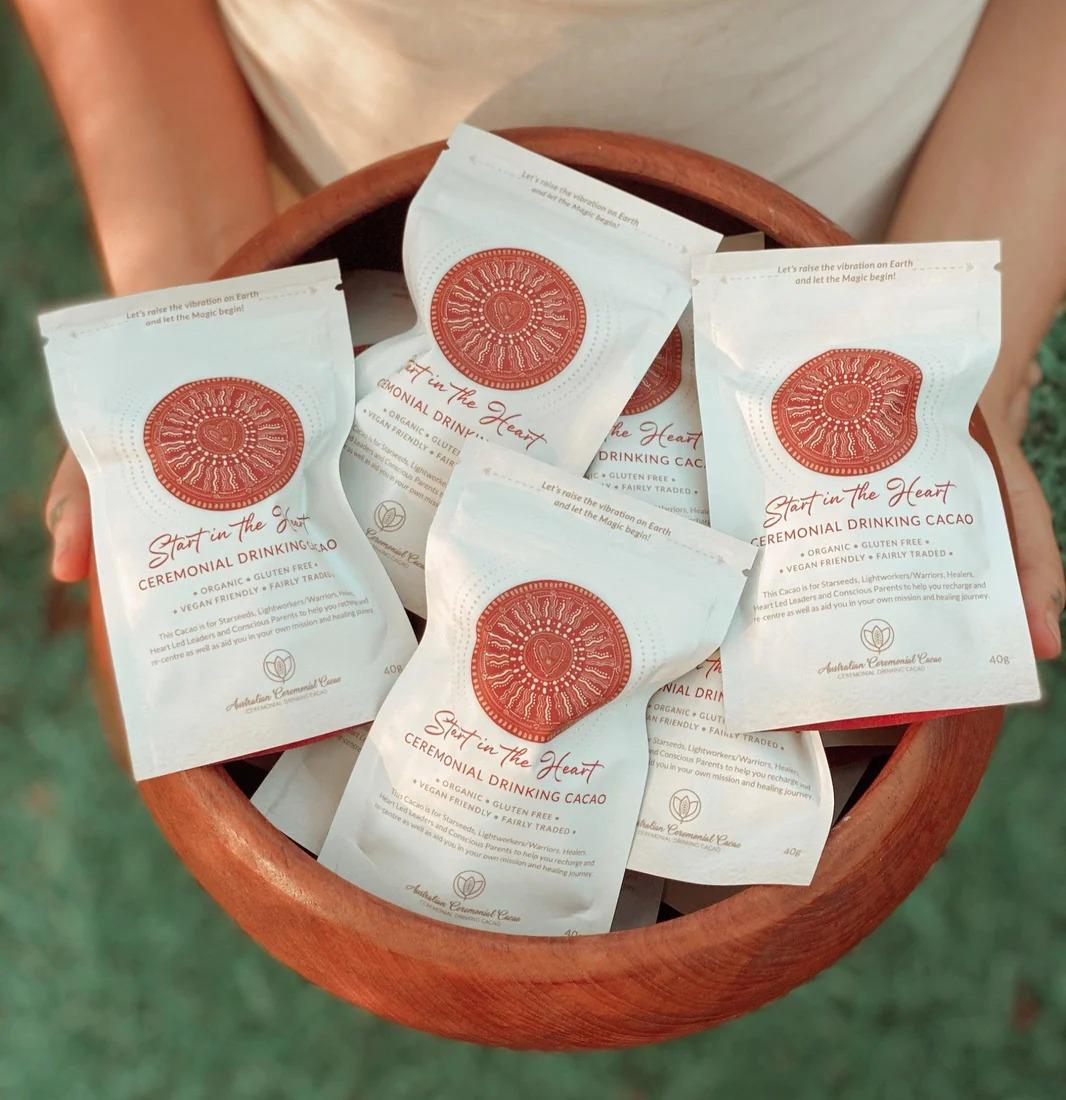
Looking to buy Ceremonial Cacao? Australian Ceremonial Cacao offers pure, high-quality cacao made with love and care. Our cacao is 100% natural and ethically sourced from trusted farms, ensuring every sip supports both people and the planet. Rich, smooth, and deeply nourishing, it’s perfect for meditation, mindfulness, or daily rituals that bring calm and connection. This sacred cacao...
Tired of hiding acne scars that remind you of every breakout? At Divine Skin Therapy in Langley, we turn scarred skin into your smoothest canvas yet. Our proven laser and peel protocols fade ice-pick, boxcar, and rolling scars by up to 70% in just 4–6 sessions. Book your FREE skin-scan consult today and see real before-and-afters from Langley locals. – Claim Your Free Consult...

In a city as dynamic and fast-paced as Dallas, your printed materials need to do more than just deliver information—they need to make an impact. Whether you’re promoting a new product, hosting an event, or simply refreshing your storefront, high-quality print can help you stand out. At AlphaGraphics Downtown Dallas, we specialize in bringing your ideas to life with precision,...