


How Does Glycolic Peel Treatment Work?
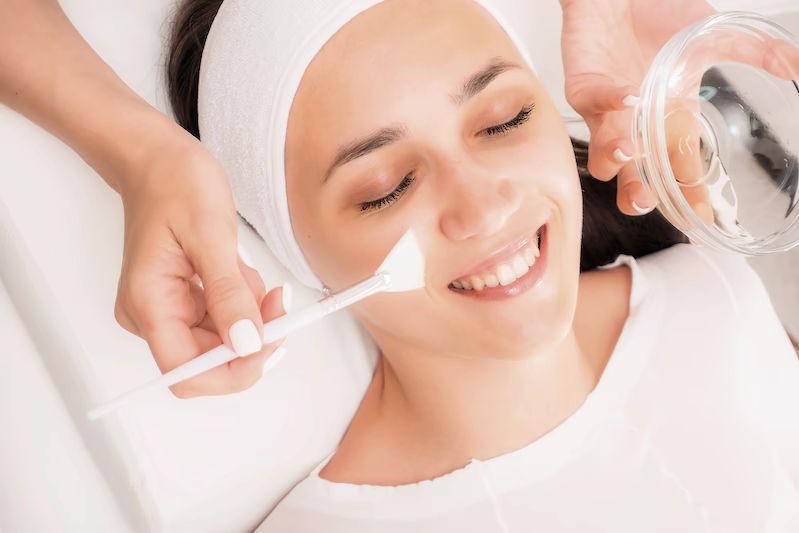
Glycolic peel treatment is a popular skincare solution designed to rejuvenate the skin and address a range of concerns, from dullness to acne scars. If you’ve been exploring options for glowing, youthful skin, understanding the mechanism and benefits of this procedure is crucial. In this article, we will answer common questions about Glycolic Peel Treatment in Islamabad , helping you make an informed decision about whether this treatment is right for you.Glycolic acid, derived from sugarcane, is a type of alpha-hydroxy acid (AHA) known for its exfoliating properties. By removing the top layer of dead skin cells, glycolic peels encourage cell turnover, revealing fresher, smoother skin underneath.
What Is a Glycolic Peel and How Does It Work?
A glycolic peel is a chemical exfoliation procedure that uses glycolic acid to remove dead skin cells from the surface of your skin. The acid penetrates the top layer, breaking down the bonds between dead cells, which allows them to shed more easily.
The process works in three steps:
-
Application – The glycolic solution is carefully applied to the skin.
-
Reaction – The acid exfoliates dead cells and stimulates collagen production.
-
Neutralization – A neutralizing solution is used to stop the chemical reaction and protect the skin.
This controlled exfoliation promotes smoother skin, reduces fine lines, and improves overall texture.
Who Can Benefit from Glycolic Peel Treatment?
Glycolic peels are suitable for most skin types, but the concentration of glycolic acid may vary depending on individual skin needs. Those who may benefit include:
-
Individuals with dull or uneven skin tone
-
People with acne scars or hyperpigmentation
-
Those seeking anti-aging benefits like reduced fine lines and wrinkles
-
Individuals with rough or flaky skin
However, people with very sensitive skin, open wounds, or certain skin conditions like eczema or psoriasis should consult a dermatologist before opting for this treatment.
What Are the Different Types of Glycolic Peels?
Glycolic peels come in varying strengths and formulations, depending on the desired results:
| Type | Concentration | Purpose | Downtime |
|---|---|---|---|
| Light Peel | 20-30% | Gentle exfoliation, brightening | None |
| Medium Peel | 30-50% | Reduces pigmentation, mild acne scars | 2-5 days |
| Deep Peel | 50-70% | Treats deeper wrinkles and scars | 7-10 days |
Choosing the right type depends on your skin goals and tolerance. A professional consultation is recommended for optimal results.
How Should I Prepare for a Glycolic Peel?
Preparation is key to ensure a safe and effective treatment. Some recommended steps include:
-
Avoid sun exposure: Protect your skin from UV damage for at least a week before the peel.
-
Stop certain skincare products: Discontinue retinoids, exfoliants, and strong acids 3–5 days prior.
-
Cleanse thoroughly: Ensure your skin is free from makeup, oil, and dirt before the session.
-
Patch test: For sensitive skin, a patch test may be done to check for adverse reactions.
Following these steps helps reduce side effects such as irritation, redness, or uneven peeling.
What Can I Expect During a Glycolic Peel Session?
A typical glycolic peel session is quick and comfortable, usually lasting 30–45 minutes. Here’s what happens:
-
Skin Assessment – The practitioner evaluates your skin to determine the appropriate acid concentration.
-
Application – The glycolic solution is applied evenly to your face, avoiding eyes and lips.
-
Monitoring – Your skin is closely observed to prevent over-exfoliation.
-
Neutralization – After the desired duration, a neutralizer is applied.
-
Aftercare Advice – Moisturizers and sun protection are recommended.
Some people may feel a mild tingling or warmth, which is normal.
Reviews
Many clients have shared positive experiences with glycolic peel treatments. Some common feedback includes:
-
Smoother skin texture – Users notice softer, more radiant skin after a few sessions.
-
Reduced pigmentation – Dark spots and uneven tone improve gradually.
-
Minimal downtime – Light peels allow individuals to resume daily activities immediately.
One user noted, “After my first session, my skin felt refreshed and looked visibly brighter. It’s become a part of my monthly skincare routine.”
How Often Should Glycolic Peel Treatments Be Done?
The frequency depends on the type and concentration of the peel:
-
Light Peel – Every 2–4 weeks for maintenance and mild exfoliation.
-
Medium Peel – Every 4–6 weeks to treat pigmentation or mild acne scars.
-
Deep Peel – Less frequent, typically once or twice a year, due to more intense exfoliation.
Consistency ensures long-lasting results and continued skin rejuvenation.
What Are the Possible Side Effects of Glycolic Peels?
While glycolic peels are generally safe, some temporary side effects may occur:
-
Redness or slight irritation immediately after the peel
-
Mild peeling or flaking over 2–5 days
-
Temporary sensitivity to sunlight
Serious reactions are rare but can include prolonged redness, swelling, or infection. Following aftercare instructions and using recommended skincare products can prevent complications.
How Can Lifestyle Choices Enhance the Results of Glycolic Peel?
Post-peel results can be maximized by adopting healthy skincare and lifestyle habits:
-
Use sunscreen daily – Protects new skin cells from UV damage.
-
Hydrate adequately – Moisturized skin heals faster and stays plump.
-
Gentle skincare – Avoid harsh scrubs or chemical products immediately after the peel.
-
Healthy diet – Nutrients like vitamin C and antioxidants support skin regeneration.
Combining glycolic peels with a proper skincare routine helps maintain glowing, youthful skin.
Can Glycolic Peel Treat Acne and Scarring?
Yes, glycolic peels can significantly improve acne-prone skin. By exfoliating dead skin cells and reducing clogged pores, they prevent breakouts. For acne scars, medium to deep peels can:
-
Fade dark spots
-
Smooth skin texture
-
Stimulate collagen production for gradual scar improvement
However, severe scarring may require additional treatments like microneedling or laser therapy for optimal results.
How Long Does It Take to See Results from a Glycolic Peel?
Results vary depending on peel strength and skin condition. Generally:
-
Immediate – Skin appears brighter and feels softer.
-
1–2 weeks – Fine lines and mild pigmentation may begin to improve.
-
3–4 sessions – More noticeable changes in texture, tone, and acne scars.
Regular sessions, combined with proper skincare, deliver the best outcomes over time.
Quick Facts Summary
| Aspect | Details |
|---|---|
| Treatment Type | Chemical exfoliation using glycolic acid |
| Duration | 30–45 minutes |
| Downtime | None to 10 days (depending on peel type) |
| Best For | Uneven skin tone, acne scars, fine lines, dull skin |
| Frequency | Light: 2–4 weeks, Medium: 4–6 weeks, Deep: once/twice a year |
Contact Us
If you’re ready to rejuvenate your skin and experience the benefits of Glycolic Peel Treatment in Islamabad, we invite you to get in touch. Our team of skincare specialists can guide you through the process, recommend the best peel for your skin type, and ensure safe, effective results.Call us today or book an appointment online to start your journey to smoother, brighter skin!
Categorias
Leia mais
Long-term investing has long been recognized as one of the most effective ways to build wealth. Instead of chasing short-term market trends or reacting to daily price fluctuations, successful investors focus on finding quality businesses DCF calculator strong fundamentals and holding them for years. This investment philosophy, known as value investing, has helped countless investors achieve...

For decades, student housing was primarily viewed as a functional necessity—a place to sleep, study, and store personal belongings while attending college. Traditional residence halls and basic apartment complexes focused on affordability and proximity to campus, often offering limited amenities beyond the essentials. Today, however, student expectations have changed dramatically. Modern...

According to the latest report published by Data Bridge Market Research, the Non-Invasive Glucose Meter Market The global non-invasive glucose meter market was valued at USD 195.26 million in 2024 and is expected to reach USD 379.19 million by 2032During the forecast period of 2025 to 2032 the market is likely to grow at a CAGR of 8.65%, primarily driven by technological advancements...
Sandwich Composites, a class of engineered materials that combine thin high‑performance face sheets with ultra‑light core structures, have transitioned from niche aerospace applications to become a mainstream solution across multiple industries. Their unique architecture provides exceptional stiffness‑to‑weight performance, superior energy absorption and the ability to integrate diverse core...
Character Advancement Strategies Mastering character progression requires a deep understanding of weapon scaling mechanics. Your stat allocation must align precisely with your chosen weapon's primary attributes to maximize effectiveness. Characters are designed with hybrid versatility, allowing for flexible role adaptation. Lune can seamlessly transition between dealing elemental damage and...