


Track Loader Platforms Integrating Digital Terrain Modelling with Earthmoving Tasks
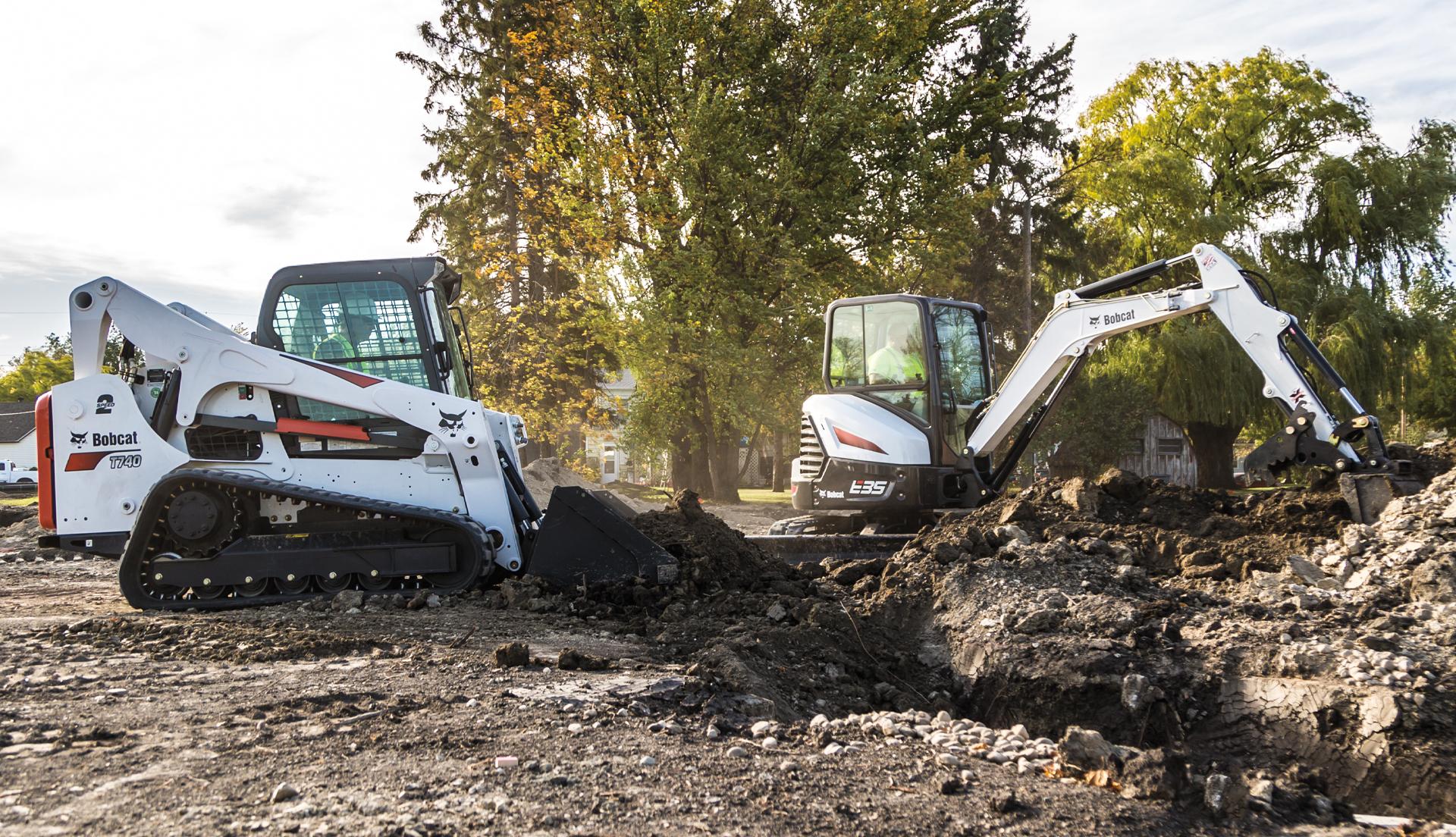
The construction industry is currently witnessing a paradigm shift driven by the fusion of high-precision data and heavy machinery. As projects become increasingly complex, the modern track loader represents a vital intersection between physical power and digital intelligence. Traditionally, earthmoving tasks relied heavily on manual staking and the experienced “eyes” of operators to meet grade requirements. However, the advent of Digital Terrain Modeling (DTM) has transformed these workflows, allowing for a level of precision that was previously unattainable in compact equipment. By integrating DTM files directly into machine control systems, contractors can now visualize the entire project landscape in a three-dimensional digital environment before a single bucket of dirt is moved.
Digital Terrain Modelling as the Foundation of Smart Construction
Digital Terrain Models serve as the foundational architecture for modern job sites, providing field-ready files that guide various types of construction equipment. These models are not merely static maps; they are construction-ready datasets used for critical applications such as quantity verification, machine control constructibility assessments, and the avoidance of underground infrastructure conflicts. For earthmoving professionals, DTMs offer a way to check for sub-trade interference and ensure that every phase of excavation or grading aligns with the architectural design. These files are also designed to remain compatible with multiple machine control systems, ensuring flexibility across different construction fleets.
Factory-Integrated Grade Control in Modern Track Loader Systems
The integration of digital models into hardware has reached a new milestone with the introduction of fully integrated grade control technology. Solutions such as factory-integrated 3D grade control systems allow compact equipment to achieve high levels of grading accuracy. This advancement enables operators to perform complex tasks such as roadbuilding, site development, and commercial construction with significantly improved precision. By embedding the technology directly into the machine, manufacturers have eliminated external masts and cables that were traditionally required for grade control systems.
Versatility Through Intelligent Control Modes
Beyond grading accuracy, the versatility of modern tracked loading equipment is enhanced through innovative control technologies. Systems such as DozerMode enable electro-hydraulic joystick controls to mimic the behaviour of crawler dozers with the push of a button. When paired with specialized attachments like six-way blades, the machine becomes a dual-purpose tool capable of both grading and material spreading. These automated capabilities reduce manual effort for operators and allow tasks to be completed more efficiently.
The Rise of Next-Generation Compact Construction Platforms
The evolution of these machines reflects a broader industry trend toward “next-generation” construction equipment that combines mechanical strength with advanced automation. Many manufacturers are introducing hybrid platforms that blend the capabilities of compact loaders and crawler dozers into a single machine. These platforms can integrate 2D and 3D machine control systems, enabling seamless compatibility with Digital Terrain Models produced by engineering teams.
Smart Attachments and Adaptive Equipment Functionality
Another major development in modern construction equipment is the introduction of smart attachments. These tools allow machines to automatically recognize the attachment in use and adjust in-cab controls accordingly. For example, when switching from a bucket to a grading blade or backhoe attachment, the control system adapts to optimize functionality. This technology enhances productivity by reducing setup time and ensuring more precise operation across different tasks.
Improving Project Efficiency Through Digital Integration
Digital Terrain Modelling also improves overall project management by enhancing efficiency and reducing operational waste. When machines follow precise digital grade references, over-excavation and material waste can be minimized. Project managers benefit from improved planning accuracy, while contractors reduce unnecessary fuel consumption and machine wear. In competitive construction markets, this level of precision contributes directly to better cost control and faster project completion.
Enhanced Visibility and Operator Productivity
Modern machine designs also remove physical barriers that once limited productivity. Integrated grade control systems eliminate bulky external components, improving operator visibility and safety. With fewer obstructions and automated assistance, operators can focus more on terrain conditions rather than equipment limitations. The flexibility to quickly switch attachments further enhances productivity across multiple jobsite tasks.
Emerging Technologies Shaping Future Earthmoving
As construction technology advances, additional innovations such as AI-based obstacle detection, remote machine operation, and telematics monitoring are being introduced. These technologies further expand the capabilities of compact equipment by improving safety, machine performance, and real-time operational oversight. Together with Digital Terrain Modelling, these tools represent the next phase of intelligent construction equipment development.
Conclusion: Building Smarter with Digital-Integrated Track Loader Platforms
The adoption of advanced Track Loader platforms that integrate Digital Terrain Modelling represents a major leap forward in construction efficiency. By combining digital terrain data with factory-integrated machine control systems and adaptable attachments, contractors can perform earthmoving tasks with greater accuracy and productivity. These technologies reduce operator workload, improve project outcomes, and ensure that construction projects are completed with higher levels of precision. As digital systems and mechanical platforms continue to evolve together, intelligent earthmoving solutions will remain central to the future of modern construction.
Κατηγορίες
Διαβάζω περισσότερα
A morning desert safari with quad bike is one of the best ways to experience the beauty of Dubai’s golden dunes while enjoying thrilling adventure activities. This tour is perfect for travelers who want excitement, stunning desert views, and cooler weather compared to evening safaris. With dune bashing, quad biking, camel rides, and breathtaking sunrise scenery, a morning safari offers...

Regional Overview of Executive Summary Electric Vehicle Thermal Management System Market by Size and Share Data Bridge Market Research analyses that the electric vehicle thermal management system market is expected to reach the value of USD 14,315.21 million by 2029, at a CAGR of 24.1% during the forecast period. With the superior Electric Vehicle Thermal Management System Market...
In 2026, health and wellness supplements are gaining massive attention, especially those focused on gut health and overall body balance. Among them, Prime Biome has become one of the most talked-about solutions. Many people are searching for real experiences, honest reviews, and actual results before trying it. This blog shares a complete 1-month journey using Prime Biome, focusing on real...

In today’s health-conscious and innovation-driven market, lecithin powder has become a highly valuable ingredient across multiple industries. From food production to nutraceuticals and cosmetics, its versatility and natural origin make it a preferred choice for manufacturers aiming to create effective and high-quality products. Derived from sources like soybeans and sunflower...

XX88 is becoming a popular choice for players who enjoy exciting online entertainment in one place. As part of the KJC alliance, the platform offers a smooth and enjoyable gaming experience with a large collection of interactive games and rewarding features. Many users appreciate the platform because it combines modern technology, user-friendly design, fast access, and engaging...