Agniveer Exam Pattern Explained: What Every Aspirant Should Know
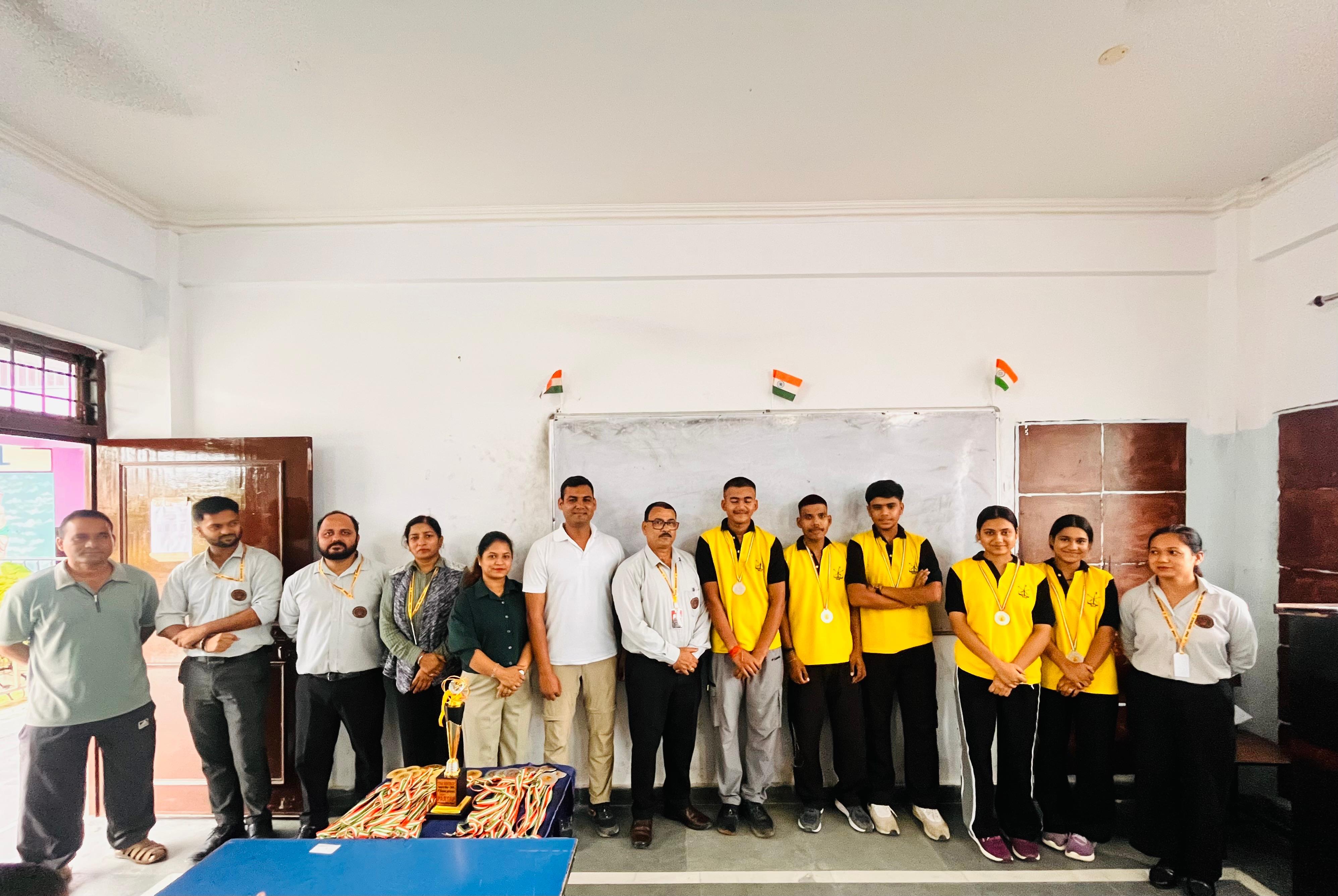
The Agniveer recruitment program has opened new opportunities for young aspirants who dream of serving in the Indian Armed Forces. Introduced under the Agnipath Scheme, this recruitment process allows candidates to join the Indian Army, Navy, and Air Force as Agniveers for a fixed tenure. Every year, thousands of students prepare for this competitive examination, but many aspirants are not fully aware of the exam structure and selection process. Understanding the exam pattern is the first step toward effective preparation.
For students preparing through Agniveer coaching classes in Dehradun, knowing the exact pattern of the exam can help them focus on the right subjects and practice in a structured way. In this article, we will explain the Agniveer exam pattern in detail so that every aspirant can prepare with clarity and confidence.
Overview of the Agniveer Recruitment Process
The Agniveer selection process generally includes multiple stages. Candidates must successfully clear each stage to move forward in the recruitment process. The stages usually include:
-
Online Written Examination
-
Physical Fitness Test (PFT)
-
Physical Measurement Test (PMT)
-
Medical Examination
-
Final Merit List
The written examination is one of the most crucial stages because it determines whether a candidate qualifies for the physical tests. Therefore, aspirants must understand the exam format, subjects, and marking scheme carefully.
Agniveer Written Exam Pattern
The written exam pattern varies slightly depending on the post a candidate applies for, such as Agniveer General Duty (GD), Agniveer Technical, Agniveer Clerk, or Agniveer Tradesman. However, the overall structure remains quite similar.
The exam is conducted in online mode and consists of objective-type multiple-choice questions.
Key Highlights of the Exam
-
Mode of exam: Online (Computer-Based Test)
-
Type of questions: Multiple Choice Questions (MCQs)
-
Language: English and Hindi
-
Duration: Usually 60 minutes to 120 minutes depending on the post
-
Negative marking: Applicable in most cases
A clear understanding of the question distribution helps aspirants prepare in a balanced way.
Agniveer General Duty (GD) Exam Pattern
For candidates applying for Agniveer General Duty, the written exam typically includes the following subjects:
Subjects Covered:
-
General Knowledge
-
General Science
-
Mathematics
-
Logical Reasoning
Exam Details:
-
Total Questions: Around 50
-
Total Marks: 100
-
Duration: 60 minutes
Questions are generally based on the 10th standard syllabus, making it accessible for many candidates. However, competition is high, so aspirants must practice regularly.
Students who join Agniveer coaching classes in Dehradun often receive structured preparation for these subjects, including mock tests and practice sessions that help them understand the exam format better.
Agniveer Technical Exam Pattern
The Agniveer Technical post requires a slightly higher academic background because candidates must have studied science subjects in their higher secondary education.
Subjects Covered:
-
Physics
-
Chemistry
-
Mathematics
-
General Knowledge
Exam Details:
-
Total Questions: Around 50
-
Total Marks: 100
-
Duration: 60 minutes
Most questions are based on 11th and 12th standard science concepts, so students must focus on fundamentals and numerical problem-solving.
Agniveer Clerk / Store Keeper Exam Pattern
The Agniveer Clerk or Store Keeper Technical position requires both academic knowledge and language proficiency.
Subjects Covered:
-
General Knowledge
-
General Science
-
Mathematics
-
Computer Knowledge
-
General English
Exam Details:
-
Total Questions: Approximately 100
-
Total Marks: 200
-
Duration: 120 minutes
This exam tests a candidate’s ability to handle administrative responsibilities, which is why English and computer knowledge are included.
Agniveer Tradesman Exam Pattern
The Tradesman category is designed for candidates who want to serve in technical support roles.
Subjects Covered:
-
General Knowledge
-
General Science
-
Mathematics
Exam Details:
-
Total Questions: Around 50
-
Total Marks: 100
-
Duration: 60 minutes
The difficulty level usually aligns with the 10th standard syllabus.
Physical Fitness Test (PFT)
After clearing the written exam, candidates must appear for the Physical Fitness Test. Physical fitness is extremely important in defence services, and this stage evaluates a candidate’s endurance and strength.
The test usually includes:
1. 1.6 km Running
-
Group 1: Completed within 5 minutes 30 seconds
-
Group 2: Completed within 5 minutes 45 seconds
2. Pull-Ups
Candidates must perform a minimum number of pull-ups to qualify.
3. Other Activities
Additional activities may include:
-
Balance test
-
9 feet ditch jump
These tests ensure that candidates are physically prepared for military training.
Physical Measurement Test (PMT)
The Physical Measurement Test checks whether the candidate meets the required physical standards set by the armed forces.
Typical requirements include:
-
Height
-
Chest measurement
-
Weight proportionate to height
Standards may vary depending on the region and category.
Medical Examination
Candidates who pass the physical tests must undergo a detailed medical examination. This stage ensures that candidates are medically fit for military service.
Medical tests may check:
-
Vision standards
-
Hearing ability
-
Overall physical health
-
Absence of serious diseases or deformities
Candidates must maintain good health and follow proper fitness routines during preparation.
Final Merit List
The final selection of candidates is based on:
-
Performance in the written exam
-
Results of physical fitness tests
-
Medical fitness
Candidates who perform well in all stages are included in the final merit list and are then selected as Agniveers.
Preparation Tips for Agniveer Aspirants
Understanding the exam pattern is important, but preparation strategy plays an equally important role. Here are some helpful tips:
1. Understand the Syllabus Clearly
Focus on the core subjects like Mathematics, General Knowledge, and Science.
2. Practice Mock Tests
Regular practice improves speed and accuracy.
3. Improve Physical Fitness
Start running, strength training, and endurance exercises early.
4. Stay Updated with Current Affairs
General knowledge questions often include current events.
5. Maintain Discipline in Study Routine
Consistency is key when preparing for defence exams.
Many aspirants prefer joining Agniveer coaching classes in Dehradun because they offer expert guidance, structured study plans, and regular practice sessions.
Conclusion
The Agniveer exam offers a valuable opportunity for young individuals who want to build a disciplined and respected career in the Indian Armed Forces. However, success in this recruitment process requires a clear understanding of the exam pattern, physical requirements, and overall selection stages. When aspirants know what to expect in the written exam, physical fitness test, and medical examination, they can prepare with better focus and confidence.
A well-planned preparation strategy, consistent study routine, and regular physical training can significantly improve the chances of selection. Many aspirants also seek expert guidance to understand the exam structure, practice mock tests, and improve their performance under proper mentorship.
Institutes like Dehradun National Academy of Defence provide structured training, academic support, and physical preparation that help students move closer to their defence career goals. With the right guidance, dedication, and discipline, aspirants can confidently prepare for the Agniveer examination and take their first step toward serving the nation.
Категории
Больше
Kuwait chocolate is more than just a sweet treat it represents a growing luxury dessert culture in Kuwait and the wider Gulf region. Known for its rich flavors, premium ingredients, and elegant presentation, Kuwait chocolate has become a symbol of celebration, hospitality, and modern gourmet taste. Whether gifted during special occasions or enjoyed as a personal indulgence, it...

When it comes to your oral health, finding a trusted Dentist Turlock CA should never be left to chance. Your teeth, gums, smile, and overall well-being depend on a dental provider who delivers reliable, high-quality care backed by years of experience. In a community like Turlock, where families value long-term relationships with their healthcare professionals, selecting the right dental office...

Mandalas have long been recognized as powerful symbols of balance, harmony, and inner awareness. Across cultures and centuries, these intricate circular designs have been used for meditation, emotional grounding, artistic expression, and spiritual reflection. Today, mandalas continue to play a vital role in modern wellness practices, especially for individuals and families seeking calm,...

"Understanding the Growth of Japan Portable Electric Vehicle Charger Market in Japan Japan Portable Electric Vehicle Charger Market: The portable electric vehicle charger market in Japan is growing, supported by the country's commitment to reducing carbon emissions and promoting electric mobility through innovative charging solutions. The Japan Portable Electric Vehicle Charger...

In the bustling heart of New York, where ambition meets innovation, businesses have one clear mission—stand out, grow fast, and stay competitive. But in today’s digital-first economy, growth isn’t just about having a good product or service. It’s about how effectively you manage data, leverage technology, and connect with customers online. That’s where data...