


Carbide Boring Bar Setup Tips for Accurate Internal Machining
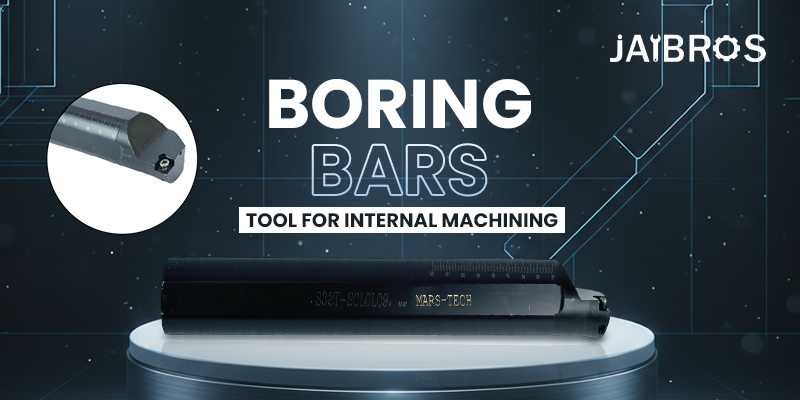
Learn practical carbide boring bar setup tips for accurate internal machining. Improve CNC performance, reduce vibration, and achieve better precision.
Complete Guide to Carbide Boring Bar Setup for Precision Internal Machining
Internal machining is one of the most important processes in CNC manufacturing. When a part requires precise internal diameters, smooth surfaces, and accurate alignment, the setup of your boring tools becomes critical. Among the various tools used in this process, the carbide boring bar plays a major role in achieving accuracy and stability.
Many CNC operators focus only on the machine or cutting parameters, but the truth is that the right setup makes a huge difference. Even a small mistake in tool positioning, holder selection, or cutting conditions can lead to vibration, poor finish, or inaccurate holes.
In this guide, we will discuss practical setup tips that help machinists achieve better results in internal machining. Whether you are a beginner or an experienced operator, these tips will help you improve accuracy, reduce tool wear, and increase productivity.
Understanding Internal Machining in CNC Operations
Internal machining refers to cutting or finishing the inside surface of a component. This process is commonly used in industries such as automotive, aerospace, mold making, and general manufacturing.
Unlike external turning, internal machining is more challenging because the cutting tool operates inside a limited space. There is less room for chip removal, vibration control, and tool movement. This is why choosing the right cnc tool and setting it correctly is extremely important.
The tool used for internal turning must be strong, stable, and capable of maintaining precision even under high cutting forces. That is why many workshops rely on the carbide boring bar for this type of machining.
Choosing the Right Boring Tool for the Job
The first step toward accurate internal machining is selecting the correct boring bar for your operation. Not every tool is suitable for every hole size or material.
For high precision work, many machinists prefer solid carbide boring bars because they provide excellent rigidity and vibration resistance. These tools are stronger than steel bars and perform well in deep-hole machining.
Before starting the setup, consider the following factors:
-
Diameter of the hole
-
Depth of the bore
-
Workpiece material
-
Required surface finish
-
Machine spindle capability
Selecting the right tool size ensures stability during cutting and prevents unwanted vibration.
Correct Tool Overhang for Better Stability
One of the most common mistakes in internal machining is using too much tool overhang. Overhang refers to the length of the tool extending out of the holder.
If the tool extends too far, it becomes flexible and may start vibrating during cutting. This vibration can lead to chatter marks on the surface and poor dimensional accuracy.
To avoid this problem, keep the overhang as short as possible. As a general rule, the overhang should not exceed four times the diameter of the tool.
A properly mounted carbide boring bar with minimal overhang will provide better rigidity and smoother cutting performance.
Proper Tool Alignment
Tool alignment plays a crucial role in achieving accurate results. If the tool is not aligned correctly with the centerline of the workpiece, it may cause uneven cutting.
Always ensure that the tip of the tool is exactly at the center height of the machine spindle. If the tool is positioned too high or too low, it can affect the cutting geometry and create poor surface finishes.
Correct alignment also improves tool life and ensures consistent results during machining operations.
Selecting the Right Insert
The insert used in the boring bar is responsible for the actual cutting process. Different inserts are designed for different materials, such as steel, aluminum, stainless steel, and cast iron.
Choose inserts based on:
-
Workpiece material
-
Cutting speed
-
Depth of cut
-
Feed rate
A properly selected insert will improve cutting efficiency and reduce wear on the tool.
When using a carbide boring bar, always check the insert seating and make sure it is tightened properly before starting the machining process.
Managing Cutting Parameters
Even the best setup will not perform well if the cutting parameters are incorrect. Speed, feed, and depth of cut must be carefully selected.
A cutting speed that is too high can generate excessive heat, while a speed that is too low may cause bulging edges on the insert.
Follow these general guidelines:
-
Use recommended cutting speeds for the material
-
Maintain moderate feed rates for smooth finishing
-
Avoid heavy cuts in deep internal bores
Proper cutting conditions help maintain stability and extend the life of the carbide boring bar.
Reducing Vibration During Boring
Vibration, also known as chatter, is one of the biggest challenges in internal machining. It can damage the surface finish and reduce accuracy.
To minimize vibration:
-
Use rigid tool holders
-
Reduce tool overhang
-
Select stable inserts
-
Adjust cutting speed if chatter occurs
-
Ensure the workpiece is firmly clamped
A well-balanced carbide boring bar setup significantly reduces vibration and produces cleaner results.
Importance of Coolant in Internal Machining
Cooling is another important factor in internal machining operations. The cutting area inside the hole can become very hot, especially during deep boring operations.
Coolant helps in several ways:
-
Reduces heat generation
-
Improves tool life
-
Helps remove chips from the cutting zone
-
Enhances surface finish
Using proper coolant flow ensures that the cutting edge of the carbide boring bar stays sharp and performs efficiently.
Organizing and Maintaining Your Boring Tools
Good tool management improves productivity in CNC workshops. Many operators prefer using a carbide boring bar set so they can easily switch between different hole sizes.
Proper storage and maintenance also extend tool life.
Some useful practices include:
-
Keep tools in dedicated racks
-
Clean tools after use
-
Check inserts regularly
-
Replace worn components immediately
Before purchasing tools, many workshops also compare the carbide boring bar price from different suppliers to find the best balance between quality and cost.
Investing in reliable tools ensures consistent machining results.
Regular Machine Inspection
Even with the best tool setup, machine condition also affects machining accuracy. Loose components, worn bearings, or spindle misalignment can create vibration and dimensional errors.
-
Operators should regularly inspect:
-
Spindle condition
-
Tool holder clamping
-
Machine alignment
-
Chip evacuation system
A properly maintained machine combined with a well-installed carbide boring bar delivers the best internal machining performance.
Conclusion
Internal machining requires precision, stability, and the right setup. From tool selection to cutting parameters, every detail affects the final result.
By choosing the correct tools, minimizing overhang, aligning the tool properly, and maintaining stable cutting conditions, CNC operators can achieve highly accurate internal surfaces.
Using high-quality tools such as solid carbide boring bars also improves rigidity and helps reduce vibration during machining. In addition, proper coolant usage and regular machine maintenance further enhance performance.
For workshops that frequently perform internal turning operations, investing in reliable tooling solutions and maintaining them properly is the key to long-term success.
When the setup is done correctly, the carbide boring bar becomes one of the most effective tools for achieving precision and efficiency in CNC internal machining.
FAQs
1. What is a carbide boring bar used for?
A carbide boring bar is used for internal turning operations in CNC machines. It helps enlarge or finish internal holes with high precision.
2. Why are solid carbide boring bars preferred in machining?
Solid carbide boring bars provide higher rigidity and vibration resistance compared to steel tools, making them ideal for deep internal machining.
3. How do I reduce chatter during boring operations?
Chatter can be reduced by minimizing tool overhang, selecting the correct insert, using stable tool holders, and adjusting cutting speeds.
4. What factors affect carbide boring bar price?
The price depends on the material quality, brand, size, coating, and whether the tool is part of a complete carbide boring bar set.
5. How do I choose the right CNC tool for internal machining?
You should consider the hole diameter, depth of cut, workpiece material, and machine capability when selecting a CNC tool for boring operations.
الأقسام
إقرأ المزيد
The global NFC chip market has evolved into one of the fastest-growing segments within the semiconductor industry as wireless communication technologies continue reshaping consumer experiences and enterprise operations. NFC technology enables secure short-range communication between compatible electronic devices, making it an essential component for mobile wallets, contactless payment...

T20 cricket has become one of the most popular formats of the game due to its fast pace, high scoring, and unpredictable nature. Introduction T20 cricket has become one of the most popular formats of the game due to its fast pace, high scoring, and unpredictable nature. For betting enthusiasts, this format offers countless opportunities because the match can change direction within a few...

Managing a growing bookmaking operation manually using spreadsheets and text messages is a recipe for operational disaster. As your player count increases, tracking multiple balances and moving lines becomes completely unmanageable without automation. Switching to a professional PPH sportsbook service completely automates your daily administrative tasks. This digital transition allows you to...

Sell Football World Cup 2026 Tickets: Midfield maestros dictate the pace of modern matches. They make precise passes to break defensive lines open. Wingers use their incredible speed to bypass tough defenders. The tactical discipline of these squads is truly impressive. The Road To The FIFA World Cup 2026 Semifinals Four elite teams are left in the tournament now. Every squad has fought...

Cardiac equipment plays a crucial role in the diagnosis, monitoring, and treatment of cardiovascular diseases, which remain one of the leading causes of mortality worldwide. These devices include electrocardiographs (ECG), cardiac monitors, defibrillators, pacemakers, cardiac imaging systems, and other advanced technologies that support healthcare professionals in delivering timely and...
