Marine Logistics Advancements in the Offshore Supply Vessels Industry

The Offshore Supply Vessels Industry is witnessing significant growth as marine logistics advancements continue to transform operations, efficiency, and safety standards. Offshore supply vessels (OSVs) are the backbone of the offshore oil, gas, and renewable energy sectors, providing essential transport services, equipment delivery, and crew support. With rising offshore energy projects and increasing demand for sustainable and efficient maritime operations, technological innovations in marine logistics are redefining the capabilities and competitiveness of this industry.
The Role of Offshore Supply Vessels in Marine Logistics
Offshore supply vessels serve as crucial links between onshore operations and offshore installations. They transport supplies such as drilling equipment, fuel, water, chemicals, and personnel to offshore platforms. Efficient marine logistics ensures timely deliveries, reduces operational downtime, and supports the overall productivity of offshore operations.
In the Offshore Supply Vessels Industry, traditional vessels have gradually been replaced or upgraded with modern, multipurpose ships equipped with advanced navigation, loading, and safety systems. These upgrades allow operators to meet stricter regulatory requirements while improving operational efficiency.
Technological Innovations Driving Efficiency
Technological advancements in marine logistics are reshaping the Offshore Supply Vessels Industry. Modern OSVs now incorporate integrated fleet management systems, real-time vessel tracking, and automated cargo handling. These systems enable operators to optimize routing, reduce fuel consumption, and coordinate complex supply schedules more effectively.
Dynamic positioning (DP) technology has become a standard feature in advanced OSVs. DP systems allow vessels to maintain precise positioning without anchoring, which is crucial for offshore operations in deep waters and challenging weather conditions. This technology enhances safety, reduces operational risk, and ensures reliable supply delivery to offshore platforms.
Sustainability and Green Shipping Initiatives
The Offshore Supply Vessels Industry is increasingly focused on sustainability. Marine logistics advancements are helping reduce the environmental impact of offshore operations. New vessel designs incorporate fuel-efficient engines, hybrid propulsion systems, and energy recovery technologies. These innovations minimize carbon emissions and align with global maritime regulations aimed at promoting green shipping.
Additionally, eco-friendly hull designs and optimized route planning further improve fuel efficiency. Companies investing in such green technologies not only comply with environmental standards but also benefit from reduced operating costs, contributing to long-term economic sustainability.
Digitalization and Smart Vessel Operations
Digital transformation is a key driver of efficiency in the Offshore Supply Vessels Industry. Smart vessel operations leverage IoT sensors, data analytics, and cloud-based platforms to monitor vessel performance, cargo status, and environmental conditions in real time. Predictive maintenance algorithms detect potential equipment failures before they occur, reducing downtime and maintenance costs.
Automation in marine logistics also extends to cargo handling and deck operations. Automated cranes, robotic systems, and advanced loading software streamline supply processes, ensuring faster turnaround times while maintaining safety standards. These digital innovations enable operators to manage large fleets effectively and respond rapidly to dynamic offshore demands.
Enhanced Safety and Crew Welfare
Safety remains a top priority in the Offshore Supply Vessels Industry. Modern marine logistics advancements have introduced advanced navigation systems, collision avoidance technologies, and emergency response protocols. Crew welfare is also emphasized, with vessels equipped with modern accommodations, recreational facilities, and safety training simulators.
By integrating safety-focused technologies with operational efficiency tools, OSV operators can reduce the risk of accidents, protect personnel, and comply with international maritime safety standards. This dual focus on safety and efficiency strengthens the industry’s reputation and reliability.
Integration with Offshore Energy Projects
The growth of offshore energy, including oil, gas, and wind projects, has created higher demand for specialized offshore supply vessels. Multi-role vessels capable of supporting subsea operations, cable laying, and platform maintenance are becoming more common. Integration of OSVs into offshore energy logistics ensures uninterrupted supply chains, timely maintenance, and efficient project execution.
The Offshore Supply Vessels Industry is also supporting the emerging offshore renewable sector. Vessels are adapted to transport wind turbine components, install offshore wind infrastructure, and provide crew support. This diversification is expanding market opportunities and reinforcing the industry’s role in the energy transition.
Challenges and Future Directions
Despite advancements, the Offshore Supply Vessels Industry faces challenges such as high capital costs, fluctuating fuel prices, and the complexity of operating in harsh marine environments. Regulatory compliance and environmental standards add further layers of operational requirements.
The future of marine logistics in this sector is likely to focus on further automation, AI-driven fleet management, hybrid and fully electric propulsion systems, and enhanced integration with digital energy platforms. Continuous innovation will be crucial in addressing operational challenges, reducing environmental impact, and improving cost efficiency.
Conclusion: Transforming Offshore Operations
Marine logistics advancements are revolutionizing the Offshore Supply Vessels Industry. By combining technological innovation, digitalization, sustainability initiatives, and safety improvements, OSVs are becoming more efficient, reliable, and environmentally responsible. These advancements strengthen offshore supply chains, enhance operational productivity, and position the industry for sustained growth in both traditional energy and emerging renewable sectors.
FAQs
1. What is the role of offshore supply vessels in marine logistics?
Offshore supply vessels transport essential supplies, equipment, and personnel to offshore platforms, ensuring continuous operations and minimizing downtime.
2. How are technological advancements improving OSV operations?
Technologies such as dynamic positioning, IoT-enabled monitoring, predictive maintenance, and automated cargo handling enhance operational efficiency, safety, and reliability.
3. What sustainability measures are being adopted in the Offshore Supply Vessels Industry?
The industry is adopting fuel-efficient engines, hybrid propulsion, eco-friendly hull designs, and optimized route planning to reduce carbon emissions and improve environmental performance.
More Related Reports:
Precision Machine For Polymer Market
Categories
Read More
Polaris Market Research has introduced the latest market research report titled U.S. Industrial Nitrogen Generator Market Size, Share, Trends, Industry Analysis Report By Design (Plug & Play, Cylinder-Based), By Size, By Technology Type, By End-Use Industry – Market Forecast, 2025–2034 that highlights the major revenue stream for the forecast period. The report...

A Vehicle You Can Depend On Every Day For any driver, the most important thing is consistency. A vehicle that works well every single day helps build confidence and peace of mind. YC Electric Vehicles focuses on providing that consistency. Their e-rickshaws are designed to perform reliably, whether it’s a short trip or a full day of work. That’s why more people are starting to trust...
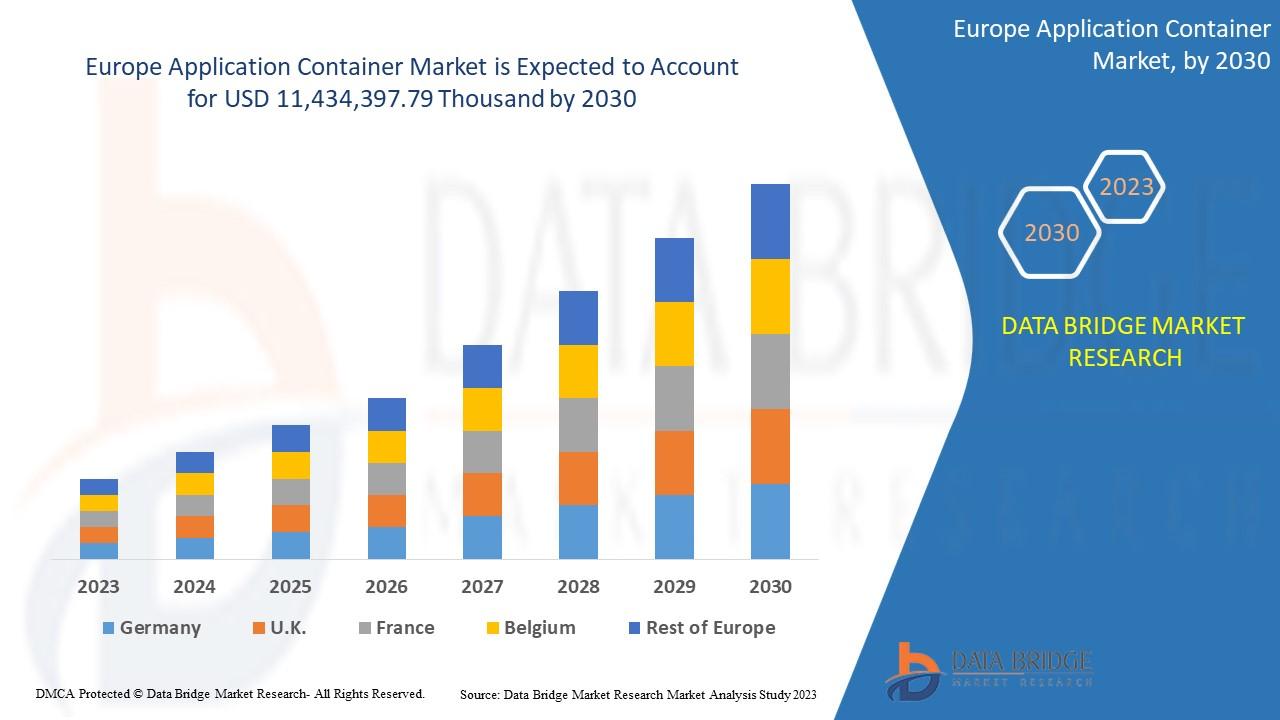
"Regional Overview of Executive Summary North America Vegan Collagen Market by Size and Share Data Bridge Market Research analyses that the vegan collagen market in North America is expected to reach a value of USD 1,136.58 million by 2030, at a CAGR of 24.0% during the forecast period. The market report also contains the drivers and restraints for the North America Vegan Collagen...
8kbet – A Smart Choice for Online Sports Betting and Casino Entertainment Online entertainment has become a popular way for people to relax and enjoy their free time. Today, users prefer platforms that are simple, secure, fast, and full of exciting options. 8kbet is a leading online entertainment platform that offers sports betting, online casino games, and many attractive reward games....

Planning for the future often brings a mix of responsibility and uncertainty. Many individuals and families worry about how their assets will be managed, how their loved ones will be supported, and whether their wishes will be honored. This is where working with a maryland estate planning attorney becomes essential. With the right guidance, complex legal matters become clearer, and concerns...