


The History of the Beretta PM12: Italy’s Iconic Submachine Gun
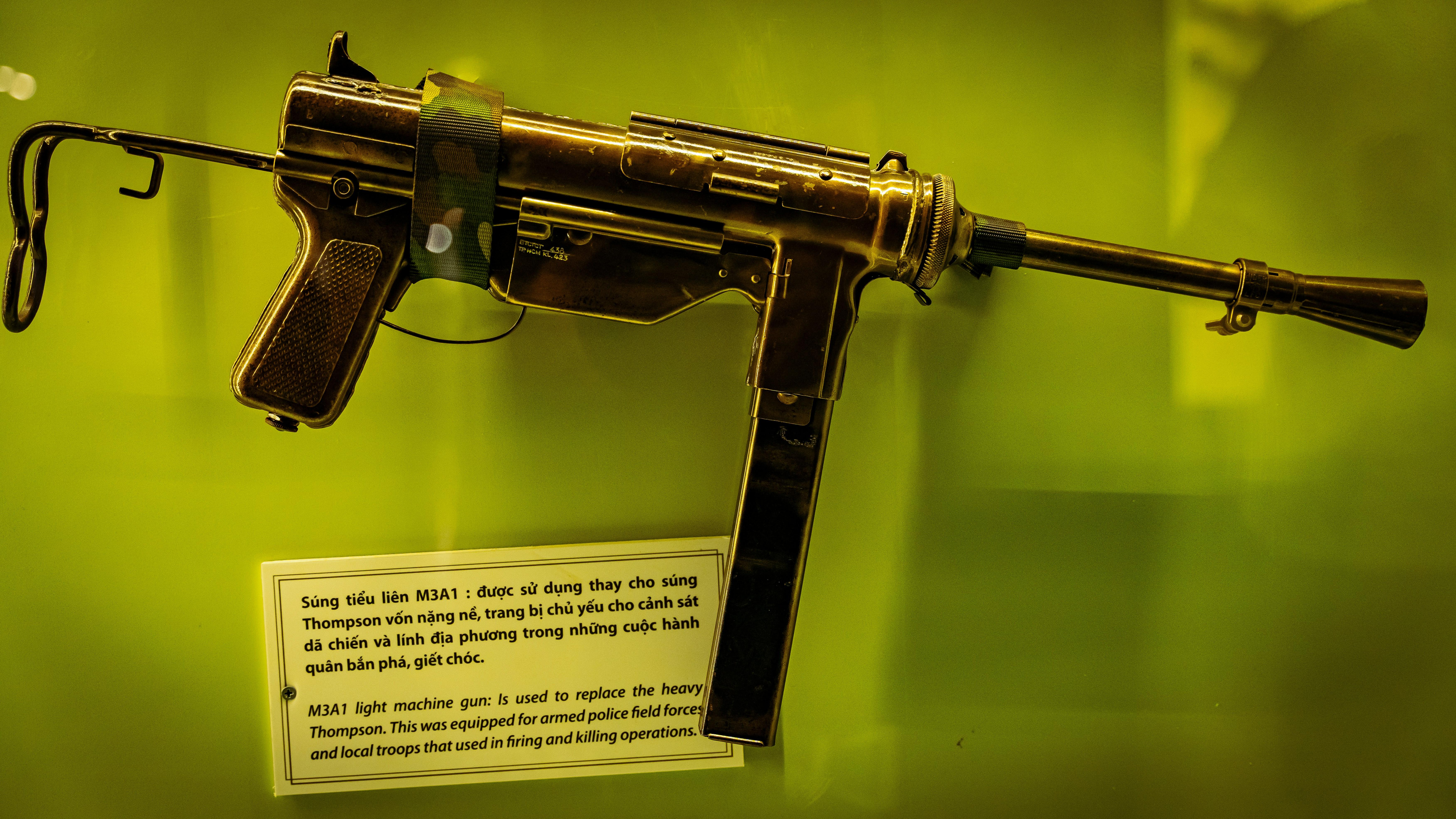
The beretta pm12 stands as one of the most respected and enduring submachine guns of the 20th century. Known for its compact design, rugged reliability, and widespread adoption, the Beretta PM12 has earned its place as a cornerstone of modern firearm history. Developed during a time of rapid innovation in military weaponry, it reflects the ingenuity and craftsmanship that have long defined Italian firearms manufacturing.
Origins of the Beretta PM12
To understand the PM12, it’s important to consider the historical context in which it was developed. In the years following World War II, military and law enforcement agencies across Europe sought compact, automatic firearms that could be used effectively in close-quarters combat.
Beretta, already well-established as one of the oldest firearm manufacturers in the world, responded to this demand by designing a new generation of submachine guns. The result was the PM12, introduced in the late 1950s and refined throughout the 1960s.
The weapon was designed to be simple, reliable, and easy to operate—qualities that would become its defining characteristics.
Design Philosophy and Development
The PM12 was engineered with practicality in mind. Unlike some earlier submachine guns that were bulky or overly complex, the PM12 emphasized compactness and ease of use.
Compact and Balanced
The PM12’s compact size made it ideal for close-quarters engagements. Its balanced design allowed for better control during automatic fire, a critical factor for military and police operations.
Telescoping Bolt System
One of the key innovations of the PM12 was its telescoping bolt design. This allowed the weapon to maintain a shorter overall length while still accommodating a full-length barrel.
This design not only improved handling but also contributed to the weapon’s stability and accuracy.
Safety and Control Features
The PM12 incorporated multiple safety mechanisms, including a grip safety and manual safety selector. These features were particularly important for law enforcement use, where safe handling is essential.
Adoption by Military and Law Enforcement
The PM12 quickly gained recognition for its reliability and effectiveness, leading to widespread adoption.
Italian Armed Forces
The Italian military was among the first to adopt the PM12, recognizing its suitability for a variety of roles. Its compact size made it ideal for vehicle crews, paratroopers, and special units.
Law Enforcement Agencies
Police forces across Italy and other countries also embraced the PM12. Its controllability and ease of use made it a practical choice for urban environments.
International Use
Over time, the PM12 was exported to numerous countries, further solidifying its reputation as a dependable submachine gun. Its global presence underscores its success as a design.
Evolution into the PM12S
As with many successful firearms, the PM12 underwent refinements over time.
Introduction of the PM12S
The PM12S variant introduced several improvements, including enhanced safety features and updated ergonomics. These changes made the weapon even more user-friendly and reliable.
Continued Service
The PM12S remained in service for decades, demonstrating the longevity of the platform. Even as newer firearms were introduced, the PM12 continued to hold its own.
Performance and Reliability
One of the primary reasons for the PM12’s success is its exceptional reliability.
Operation in Harsh Conditions
The PM12 was designed to function in a wide range of environments, from urban settings to rugged terrain. Its simple blowback operation minimized the risk of malfunctions.
Ease of Maintenance
The weapon’s straightforward design made it easy to disassemble and maintain. This was a significant advantage for military and police users who needed a dependable firearm with minimal upkeep.
Mid-Article Focus: The Enduring Legacy of the Beretta PM12
At the heart of its success, the beretta pm12 represents a perfect balance between innovation and practicality. While many firearms are designed with cutting-edge features, the PM12’s strength lies in its simplicity and reliability.
This balance has allowed it to remain relevant even as newer technologies have emerged. For historians, collectors, and enthusiasts, the PM12 offers a unique glimpse into a period of rapid advancement in firearm design.
Comparison with Contemporary Submachine Guns
During its time, the PM12 competed with several other notable submachine guns.
Against the Uzi
The Israeli Uzi is often compared to the PM12 due to its similar compact design and telescoping bolt system. Both firearms share a focus on reliability and ease of use.
Against European Designs
Other European submachine guns of the era varied in complexity and performance. The PM12 stood out for its balance of features and user-friendly design.
Role in Modern Firearm History
The PM12’s influence extends beyond its immediate use.
Setting a Standard
The design principles established by the PM12 have influenced subsequent firearm development. Its emphasis on simplicity, reliability, and compactness continues to resonate in modern designs.
A Symbol of Italian Engineering
The PM12 serves as a testament to the innovation and craftsmanship of Beretta. It highlights the company’s ability to adapt to changing needs while maintaining high standards of quality.
Collector Interest and Historical Value
Today, the PM12 is highly regarded among collectors.
Rarity and Availability
Original PM12 models are not as widely available as some other firearms, adding to their appeal. Variants and surplus models occasionally appear on the market, attracting enthusiasts.
Historical Significance
Owning a PM12 is like owning a piece of history. Its role in military and law enforcement operations gives it a unique place in the evolution of firearms.
Cultural and Tactical Impact
Beyond its technical attributes, the PM12 has made an impact in various cultural and tactical contexts.
Presence in Media
Like many iconic firearms, the PM12 has appeared in films and media, contributing to its recognition among enthusiasts.
Tactical Use
Its effectiveness in close-quarters scenarios has made it a valuable tool for specialized units, further cementing its reputation.
Transition to Modern Platforms
As firearm technology has advanced, newer platforms have gradually replaced older submachine guns like the PM12.
Rise of Compact Rifles
The increasing popularity of compact rifles and carbines has shifted the focus away from traditional submachine guns.
Continued Relevance
Despite this shift, the PM12 remains relevant as a historical and collectible firearm. Its design continues to be studied and appreciated.
Why the PM12 Still Matters Today
The enduring appeal of the PM12 lies in its combination of history, performance, and design.
-
Reliability: Proven in real-world conditions
-
Simplicity: Easy to use and maintain
-
Historical Value: Represents a key مرحلة in firearm development
These qualities ensure that the PM12 remains a subject of interest for enthusiasts and historians alike.
Final Thoughts
The beretta pm12 is more than just a submachine gun—it is a symbol of innovation, reliability, and enduring design. From its origins in post-war Europe to its widespread adoption by military and law enforcement agencies, it has left a lasting mark on the world of firearms.
Its legacy continues to inspire admiration among collectors and enthusiasts who recognize its significance. As discussions about classic firearms persist across platforms like GunsAmerica, the Beretta PM12 consistently stands out as a testament to what thoughtful engineering and practical design can achieve.
For anyone interested in firearm history, the PM12 offers a fascinating story—one that highlights the evolution of weaponry and the enduring impact of a truly iconic design.
Categorias
Leia Mais
Learn how carbide boring bars work in CNC machining, their benefits, types, price factors, and tips for beginners to improve accuracy and performance. Carbide Boring Bar Applications in Automotive and Aerospace Machining In modern manufacturing, precision machining plays a critical role in producing high-quality parts. One of the most important tools used...
Sciatic nerve pain can be extremely uncomfortable, often causing sharp, radiating pain that travels from the lower back down the leg. Many people struggling with this condition seek treatments that specifically target nerve-related pain rather than just masking symptoms. Gabatop 800mg is one such medication commonly prescribed to help manage nerve pain, including sciatica. It contains...

In today's competitive digital landscape, pitch videos have become an essential tool for startups, freelancers, marketers, and entrepreneurs. They are short, compelling videos designed to sell an idea, service, or product. While visuals capture attention, sound reinforces emotions and drives the message home. This is where YouTube to MP3 tools step in. By extracting high-quality MP3 audio from...

In a market where counterfeit products and shady vendors can undermine welding quality, many professionals consult Aluminum Tig Wire Suppliers before purchasing online. As news reports call out the rise of fake consumables in manufacturing sectors, welders and procurement teams must learn to spot warning signs and secure reliable sources for critical filler metals. Recognizing Price Anomalies...

Polaris Market Research has introduced the latest market research report titled Cruise Market Share, Size, Trends, Industry Analysis Report, By Type (Ocean Cruises and River Cruises), By Region, And Segment Forecasts, 2023 - 2032 that highlights the major revenue stream for the forecast period. The report contains clear, reliable, and thorough Cruise Market data and information that...
