


PVDF Pipe Fittings for Smart Industrial Piping System
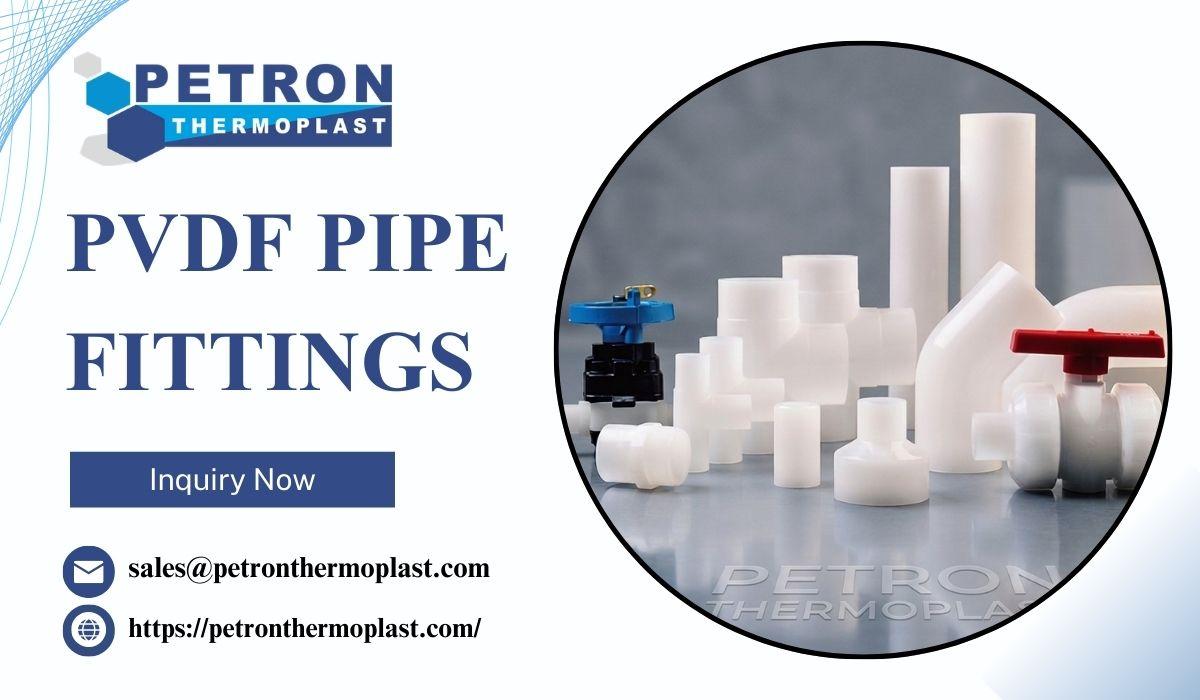
In today’s rapidly evolving industrial landscape, the demand for smarter, safer, and more efficient piping systems is higher than ever. Industries such as chemical processing, pharmaceuticals, water treatment, and semiconductor manufacturing require advanced materials that can withstand aggressive environments while ensuring long-term performance. This is where PVDF Pipe Fittings play a transformative role.
A smart industrial piping system is not just about transporting fluids—it’s about optimizing performance, ensuring safety, reducing maintenance, and improving operational efficiency. PVDF (Polyvinylidene Fluoride) pipe fittings have emerged as a preferred solution for industries looking to upgrade their piping infrastructure.
In this blog, we explore how PVDF pipe fittings contribute to smart industrial piping systems, their key features, applications, and why they are the future of high-performance fluid handling.
What are PVDF Pipe Fittings?
PVDF (Polyvinylidene Fluoride) is a high-performance thermoplastic known for its exceptional chemical resistance, thermal stability, and mechanical strength. PVDF pipe fittings are used to connect pipes, control flow direction, and ensure leak-proof operation in industrial piping systems.
These fittings are widely used in applications where purity, durability, and resistance to harsh chemicals are essential.
Why PVDF is Ideal for Smart Piping Systems?
A smart piping system integrates efficiency, durability, and adaptability. PVDF pipe fittings perfectly align with these requirements due to their advanced material properties.
Outstanding Chemical Resistance
PVDF can handle a wide range of aggressive chemicals, including acids, solvents, and halogens, without degradation.
High Temperature Stability
PVDF performs reliably at elevated temperatures, making it suitable for demanding industrial processes.
Excellent Mechanical Strength
It maintains structural integrity even under pressure and stress.
Low Permeability
Prevents leakage and contamination, ensuring system safety.
UV and Weather Resistance
Suitable for both indoor and outdoor installations.
Key Features of PVDF Pipe Fittings
High-quality PVDF pipe fittings offer several features that make them ideal for smart industrial systems.
Superior Durability
PVDF fittings are designed for long service life, even in harsh environments.
High Purity
They are ideal for applications where contamination must be avoided, such as pharmaceuticals and electronics.
Smooth Internal Surface
Ensures efficient flow with minimal pressure loss.
Corrosion-Free Performance
Unlike metal fittings, PVDF does not corrode or rust.
Easy Installation
Lightweight design simplifies handling and reduces installation time.
Role of PVDF Pipe Fittings in Smart Industrial Systems
Smart industrial systems focus on efficiency, reliability, and sustainability. PVDF pipe fittings contribute to these goals in multiple ways.
Enhanced System Efficiency
Smooth surfaces and precise engineering ensure optimal flow rates and reduced energy consumption.
Reduced Downtime
High durability minimizes failures and maintenance interruptions.
Improved Safety
Chemical resistance and leak-proof design enhance operational safety.
Long-Term Cost Savings
Low maintenance and extended lifespan reduce overall operational costs.
Compatibility with Automation
PVDF systems integrate well with modern automated and monitored piping systems.
Types of PVDF Pipe Fittings
PVDF pipe fittings are available in a wide range of types to meet different system requirements.
Elbows
Used to change the direction of flow.
Tees
Allow branching of pipelines.
Reducers
Connect pipes of different sizes.
Couplings
Join pipes securely.
Unions
Enable easy disassembly for maintenance.
Flanges
Provide strong and secure connections in high-pressure systems.
Each fitting is designed to ensure maximum efficiency and reliability.
Applications of PVDF Pipe Fittings
PVDF pipe fittings are widely used across various industries due to their versatility and performance.
Chemical Processing
Handle highly corrosive chemicals safely and efficiently.
Pharmaceutical Industry
Ensure high purity and contamination-free fluid transport.
Water Treatment Plants
Used in systems requiring chemical dosing and purification.
Semiconductor Industry
Ideal for ultra-pure water and chemical handling.
Oil and Gas Industry
Used in specific chemical handling applications.
Food and Beverage Industry
Suitable for non-contaminating fluid transfer processes.
Advantages Over Traditional Materials
Compared to traditional materials like metal and standard plastics, PVDF offers significant advantages.
Corrosion Resistance
Unlike metal, PVDF does not rust or corrode.
Lightweight
Easier to transport and install.
Longer Lifespan
Outperforms many conventional materials in durability.
Reduced Maintenance
Requires minimal upkeep compared to metal systems.
Better Chemical Compatibility
Handles a wider range of chemicals effectively.
Why Choose a Reliable PVDF Pipe Fittings Manufacturer?
The performance of a piping system depends heavily on the quality of its components. Choosing a trusted manufacturer ensures:
Consistent Quality
High-grade materials and precision manufacturing.
Customization Options
Tailored solutions for specific industrial requirements.
Compliance with Standards
Products meet international quality and safety standards.
Technical Support
Expert guidance for selection and installation.
Timely Delivery
Efficient supply chain management for project completion.
Why Petron Thermoplast is a Trusted Partner?
Petron Thermoplast is a leading provider of high-performance PVDF pipe fittings designed for smart industrial piping systems. With extensive expertise in engineering plastics and industrial solutions, the company delivers products that meet the highest standards of quality and performance.
Key Benefits:
- Premium Grade PVDF Materials
Ensures excellent chemical resistance and durability. - Precision Manufacturing
Advanced technology guarantees accurate dimensions and leak-proof performance. - Wide Product Range
Comprehensive selection of fittings for diverse applications. - Custom Solutions
Tailored designs to meet unique project requirements. - Proven Reliability
Trusted by industries for consistent performance.
Installation Best Practices
Proper installation is essential for maximizing the benefits of PVDF pipe fittings.
- Ensure proper alignment of pipes and fittings
- Use recommended joining techniques
- Avoid excessive mechanical stress
- Follow pressure and temperature guidelines
- Conduct system testing after installation
Correct installation ensures long-term efficiency and safety.
Maintenance Tips for Optimal Performance
PVDF pipe fittings require minimal maintenance, but regular checks can enhance their lifespan.
- Inspect for leaks or damage
- Clean pipelines to prevent buildup
- Monitor system pressure and flow
- Replace worn components promptly
These practices help maintain system efficiency.
Future of Smart Industrial Piping Systems
As industries move towards automation and sustainability, the demand for advanced piping materials is increasing. PVDF pipe fittings are at the forefront of this transformation due to their superior performance and adaptability. Innovations in material science and manufacturing are further enhancing the capabilities of PVDF systems, making them an integral part of smart industrial infrastructure.
Conclusion
PVDF pipe fittings are revolutionizing industrial piping systems by offering unmatched performance, durability, and reliability. Their ability to withstand harsh chemicals, high temperatures, and demanding conditions makes them an ideal choice for smart industrial applications.
By choosing high-quality PVDF pipe fittings from a trusted manufacturer like Petron Thermoplast, industries can achieve improved efficiency, reduced maintenance, and enhanced safety. Investing in PVDF pipe fittings is not just an upgrade—it is a step towards building smarter, more efficient, and future-ready industrial piping systems.
Categorias
Leia Mais
In today’s fast-growing digital world, YouTube has become one of the most powerful platforms for video content, learning, and entertainment. It allows users to access information in a more engaging and visual way compared to text-based platforms. For those interested in SUNWIN, Theo dõi SUNWIN tại youtube following its official presence on YouTube offers a dynamic and interactive...

Prepare confidently with CertsLand’s updated GH-100 exam pdf. Access expert-crafted, exam-focused GH-100 PDF exam designed to help you succeed in your Microsoft GH-100 certification exam on the first attempt. GH-100 Exam PDF Dumps to Achieve Excellent Results on Your First Attempt CertsLand offers highly reliable and well-organized Microsoft GH-100 exam pdf questions that help you study...

SEO Title 提升開信率與轉換率的郵件群發策略 文章大綱 H1:提升開信率與轉換率的郵件群發策略 說明香港企業在數碼營銷競爭激烈下,如何透過更有效的郵件策略提升業績與品牌影響力。強調問題與解決方案並存。 H2:香港企業面對的行銷困境 H3:社交平台成本上升 廣告費用持續增加,中小企難以長期負擔。流量依賴第三方平台,控制權低。 H3:訊息觸達率下降 演算法影響曝光,客戶未必看到推廣內容。品牌與客戶互動減少。 H2:什麼是郵件群發及其運作方式 H3:郵件群發的定義 透過系統一次性向大量客戶發送電子郵件。可用於促銷、通知、會員溝通。 H3:運作流程 名單整理 → 內容設計 → 分組發送 → 數據分析。自動化工具提升效率與精準度。 H2:傳統行銷方式的問題 H3:單向推廣缺乏數據 無法清楚掌握開信與點擊情況。 H3:人工操作效率低...

Non UK casinos that accept UK players - You might be wondering why so many UK gamblers are flocking to non UK casinos. Well, put simply, non UK casino sites aren’t obligated to abide by UK gambling regulations. This allows non-UK sites to have higher betting limits, unique games, and bonuses that’ll make your jaw drop. UK players also love the expanded banking options that...

"Key Drivers Impacting Executive Summary Europe Healthcare Information Technology (IT) Market Size and Share CAGR Value The Europe healthcare information technology (IT) market size was valued at USD 114.99 billion in 2024 and is expected to reach USD 367.21 billion by 2032, at a CAGR of 15.62% during the forecast period The credible Europe Healthcare...