How Therapeutic Enzymes Are Transforming Rare Disease Treatment
Rare diseases collectively affect hundreds of millions of people worldwide, yet many individual conditions remain difficult to diagnose and treat due to their low prevalence and complex biological mechanisms. In recent decades, therapeutic enzymes have emerged as an important class of biologic drugs that address the underlying causes of several rare genetic disorders. By replacing or supplementing missing or dysfunctional enzymes in the body, enzyme-based therapies can restore key metabolic processes and significantly improve patient outcomes.
As biotechnology and recombinant protein production technologies continue to advance, the development of therapeutic enzymes is expanding beyond traditional applications, offering new possibilities for rare disease treatment.
Understanding the Role of Therapeutic Enzymes
Enzymes are biological catalysts that regulate numerous metabolic reactions in the body. In many rare inherited disorders, particularly metabolic diseases, genetic mutations prevent the body from producing functional enzymes. As a result, specific substrates accumulate or critical biochemical pathways fail to function properly.
Therapeutic enzymes are designed to compensate for these deficiencies. When administered to patients, these enzymes can restore the biochemical reactions that are impaired by the genetic mutation. In clinical medicine, this approach is often associated with enzyme replacement therapy (ERT), which has become a well-established strategy for treating several rare disorders.
The concept is straightforward: supplying a functional enzyme helps correct the metabolic imbalance that causes disease symptoms.
Therapeutic Enzymes in Lysosomal Storage Disorders
One of the most successful applications of therapeutic enzymes is in the treatment of lysosomal storage disorders (LSDs). These diseases occur when lysosomes—cellular organelles responsible for breaking down biomolecules—lack specific enzymes needed to degrade substrates.
Without the necessary enzymes, these substrates accumulate inside cells and lead to progressive organ damage. Enzyme replacement therapy has demonstrated significant clinical benefits for several LSDs, including:
l Gaucher disease
l Fabry disease
l Pompe disease
In these cases, recombinant therapeutic enzymes are administered intravenously to deliver the missing catalytic activity. Once internalized by cells, the enzyme can reach the lysosome and help degrade the accumulated substrates, reducing disease burden and improving physiological function.
Advances in Recombinant Enzyme Production
The effectiveness of therapeutic enzymes depends heavily on advances in recombinant protein technology. Modern expression systems—including mammalian cells, yeast, and other engineered hosts—allow the production of enzymes with the proper folding, activity, and post-translational modifications required for therapeutic use.
Several technological improvements have contributed to the growth of enzyme therapeutics in rare disease research:
l improved recombinant expression systems for large-scale enzyme production
l enhanced purification and quality control processes
l glycoengineering strategies that improve cellular uptake of therapeutic enzymes
These developments have helped increase the stability, efficacy, and clinical viability of many enzyme-based treatments.
Challenges in Enzyme-Based Rare Disease Therapies
Although therapeutic enzymes have demonstrated clear clinical benefits, several challenges remain in the development and application of enzyme-based treatments.
One major limitation is drug delivery. Enzymes are large protein molecules that may have difficulty reaching certain tissues, particularly the central nervous system. In addition, patients receiving enzyme replacement therapy may develop immune responses that reduce treatment efficacy.
Researchers are actively exploring strategies to overcome these challenges, including improved targeting systems, protein engineering approaches, and advanced drug delivery technologies.
Expanding the Future of Therapeutic Enzymes
Ongoing research continues to broaden the scope of therapeutic enzymes in rare disease treatment. New enzyme candidates are being investigated for additional metabolic disorders, and innovations in protein engineering may enhance enzyme stability, catalytic efficiency, and tissue targeting.
At the same time, advances in gene therapy and precision medicine are creating opportunities to combine genetic correction strategies with enzyme-based therapies. These integrated approaches may further improve treatment options for patients affected by rare inherited conditions.
As biotechnology tools continue to evolve, therapeutic enzymes are likely to remain a central component of rare disease research and drug development, offering new hope for conditions that previously had limited treatment options.
Categorieën
Read More
"Automotive Braking Systems Market Summary: According to the latest report published by Data Bridge Market Research, the Automotive Braking Systems Market The global Automotive Braking Systems market size was valued at USD 28.92 billion in 2024 and is projected to reach USD 61.54 billion by 2032, registering a robust CAGR of 11.4% during the forecast period This world-wide Automotive...

Gromopoli: Digital Monopoly Alternative Gromopoli, a recent addition to Steam's game library, offers players a digital tabletop experience reminiscent of Monopoly Go. Currently available at no cost, it provides an accessible way to enjoy a classic-style board game on your PC. As Monopoly Go continues to dominate the mobile gaming scene with its widespread popularity, Gromopoli emerges as a...

Top VPNs for Kuwait While Kuwait's internet isn't as restricted as some neighbors, travelers often face unexpected geo-blocks on familiar sites and streaming services. A robust VPN provides the solution, encrypting your connection and masking your location to bypass these limits. Be wary of unreliable providers, especially free ones, as many compromise speed or leak sensitive data. We...

Rudraksha beads are more than just sacred seeds—they are powerful spiritual tools known for their healing, protective, and transformative properties. Worn for centuries by sages, yogis, and spiritual seekers, rudraksha beads are believed to bring inner peace, clarity of mind, and positive energy into one’s life. At Harshiv Ganga, we bring you authentic and carefully sourced...

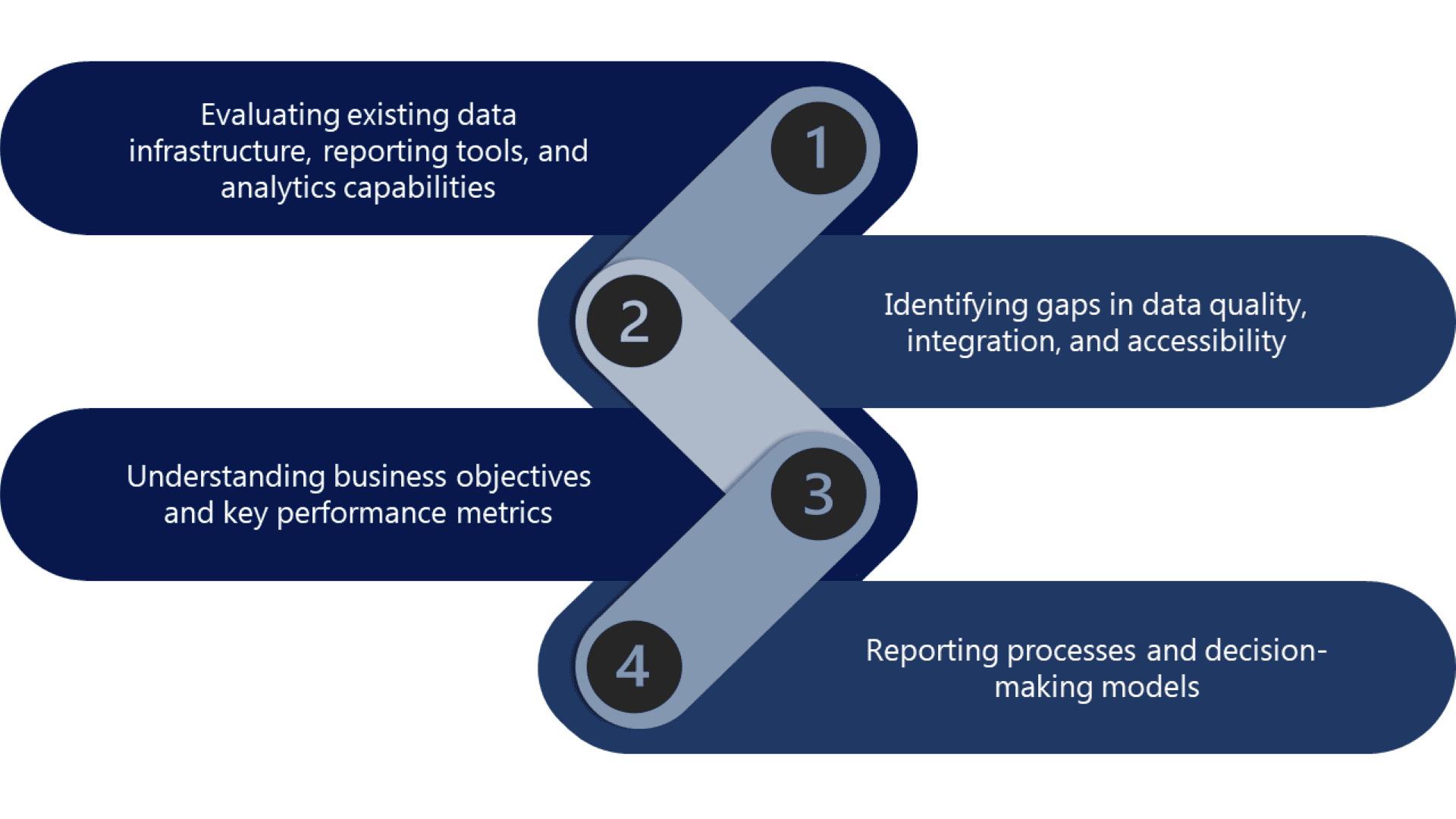
In a world driven by rapid innovation and constant disruption, organizations generate more data than ever before. Yet, data alone does not create value. Without structure, strategy, and analysis, it remains an untapped asset. This is why Business Intelligence Consulting Services have become essential for companies that want to compete effectively in today’s digital economy. Modern...