


Mediation Process: Step-by-Step Guide to Resolving Disputes Effectively
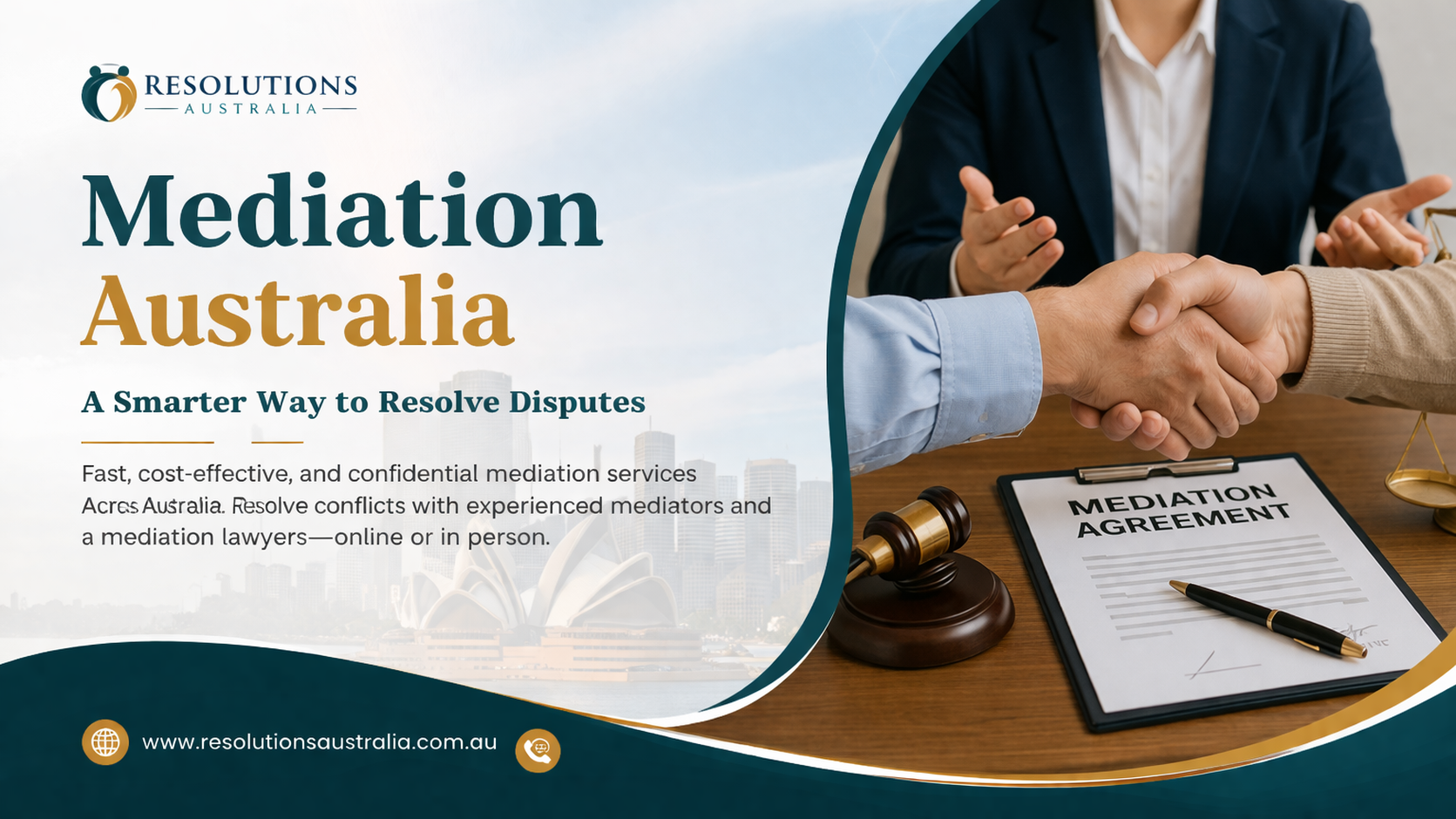
Conflicts can arise in any area of life—personal, professional, or business. While many people think of court as the only solution, there is a better alternative. The mediation process offers a structured, efficient, and less stressful way to resolve disputes.
In Australia and worldwide, mediation is becoming a preferred choice for individuals and businesses seeking faster and more cost-effective conflict resolution.
What is the Mediation Process?
The mediation process is a voluntary and confidential method of resolving disputes with the help of a neutral third party known as a mediator. The mediator does not make decisions but helps both parties communicate, understand each other’s perspectives, and reach a mutually acceptable agreement.
This process is widely used for:
- Family disputes
- Workplace conflicts
- Business disagreements
- Property and financial matters
Key Features of the Mediation Process
Before understanding the steps, it’s important to know what makes mediation unique:
- Voluntary Participation – Both parties agree to take part
- Confidentiality – Discussions remain private
- Neutral Facilitation – Mediator remains unbiased
- Flexible Solutions – Outcomes are tailored to both parties
Step-by-Step Mediation Process
Understanding each stage can help you feel more confident and prepared.
1. Initial Contact and Agreement
The process begins when both parties agree to resolve their dispute through mediation. A mediator is selected, and basic details of the conflict are discussed.
2. Preparation Stage
The mediator gathers information about the dispute and explains the process, rules, and expectations to both parties.
3. Opening Session
During the first session, the mediator sets ground rules and allows each party to share their perspective without interruption.
4. Discussion and Issue Identification
The mediator helps identify the key issues and ensures that both sides understand each other’s concerns.
5. Negotiation Phase
This is the core of the mediation process. The mediator guides both parties toward finding common ground and exploring possible solutions.
6. Private Sessions (If Needed)
Sometimes, the mediator may speak with each party separately to better understand their concerns and suggest solutions.
7. Agreement
Once both parties reach a consensus, the mediator drafts an agreement outlining the terms.
8. Closure
The process concludes when both parties agree and sign the final document.
Benefits of the Mediation Process
The mediation process offers several advantages compared to traditional legal methods:
Faster Resolution
Disputes can often be resolved in a few sessions instead of months or years.
Cost-Effective
Mediation is generally much cheaper than court proceedings.
Less Stressful
The environment is more relaxed and collaborative than a courtroom.
Confidential
All discussions remain private, protecting sensitive information.
Better Relationships
Mediation helps preserve relationships by encouraging cooperation and understanding.
When Should You Use the Mediation Process?
Mediation is ideal in situations where:
- Both parties are willing to communicate
- You want to avoid lengthy legal battles
- Maintaining relationships is important
- A quick and practical solution is needed
Role of a Mediator in the Process
A mediator plays a crucial role in ensuring that the process runs smoothly. They:
- Facilitate communication
- Maintain neutrality
- Help identify solutions
- Ensure fairness
Experienced mediators can significantly improve the chances of reaching a successful agreement.
Conclusion
The mediation process is a powerful and effective way to resolve disputes without the stress and cost of litigation. By following a structured approach and focusing on cooperation, it allows both parties to achieve fair and lasting solutions.
Whether you are dealing with a personal conflict or a business dispute, understanding the mediation process can help you take the first step toward resolution.
Categorie
Leggi tutto
Dark Age of Camelot is celebrating St. Patrick's Day with an event running through next Wednesday, but the bigger news for lapsed players is a change to the free-to-play eligibility. Broadsword has reduced the inactivity requirement for Endless Conquest from 180 days to 120 days, making it easier for former adventurers to jump back in without a subscription. Additionally, the house repossession...

Idiopathic Pulmonary Fibrosis Market Synopsis 2025: New York, United States, The purpose of this section's research is to study the Idiopathic Pulmonary Fibrosis Market during the course of the estimated period using several confirmed parameters based on Porter's Five Forces Model. As a result, a thorough inspection of the market helps in recognizing and emphasizing the market's crucial...

Vehicle owner verification is a critical requirement across industries such as insurance, lending, logistics, mobility platforms, and used vehicle marketplaces. Relying only on documents or user-provided details often leads to delays, errors, and fraud risks. This is where the Vehicle RC to Mobile Number API plays an important role. By validating whether a vehicle’s Registration...

The demand for high-quality infant nutrition and dietary supplements continues to grow across global markets, making the UK a trusted hub for wholesale infant milk powder and vitamin supply. Businesses seeking reliable sourcing solutions often turn to UK-based suppliers due to their strict quality standards, regulatory compliance, and commitment to product safety. Whether serving retailers,...

Camera technology has evolved significantly with advancements in digital imaging, artificial intelligence, sensor innovation, and image processing capabilities. Modern camera systems are widely used across consumer electronics, automotive, healthcare, industrial automation, security and surveillance, aerospace, and smart city applications. High-resolution imaging, low-light performance, machine...
