


Precision Starts with the Right CNC Tool Selection
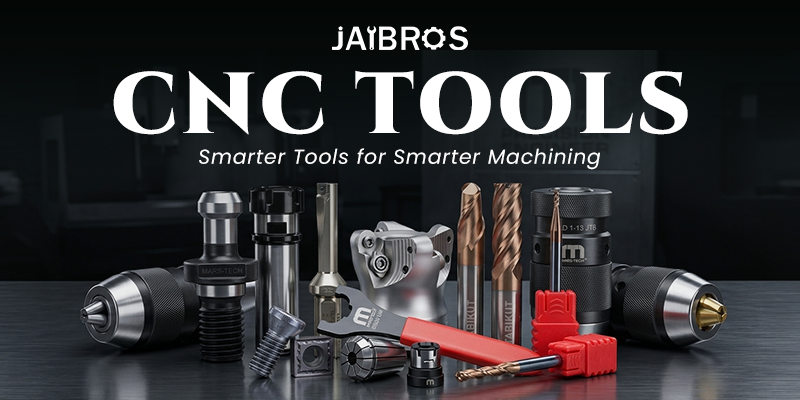
Discover how the right CNC tool selection improves machining precision, boosts productivity, and reduces costs in modern manufacturing.
How to Choose the Right CNC Tool for Precision Machining
Precision is the foundation of modern manufacturing. From aerospace components to automotive parts and medical devices, every product requires high accuracy, consistent quality, and reliable performance. In such a demanding environment, selecting the right CNC tool becomes one of the most critical decisions for manufacturers.
Machining is not just about cutting material—it is about achieving the perfect balance between speed, accuracy, and efficiency. A well-chosen CNC tool ensures smooth cutting operations, minimal tool wear, and superior surface finish. On the other hand, poor tool selection can lead to increased costs, downtime, and compromised product quality.
The Role of Tool Selection in Precision Engineering
In precision engineering, even the smallest deviation can lead to major issues. Tool selection directly influences cutting accuracy, dimensional stability, and surface finish.
A high-performance CNC allows machines to operate with greater stability and consistency. It ensures proper chip formation, reduces vibration, and improves cutting efficiency.
Across various types of CNC machine systems—such as milling, turning, and drilling—using the right tool is essential for maintaining tight tolerances and achieving high-quality results.
Understanding Material Requirements
Different materials behave differently during machining. Factors such as hardness, thermal conductivity, and toughness must be considered when selecting tools.
For example:
-
Aluminum requires sharp cutting edges and high-speed tools
-
Stainless steel demands wear-resistant and heat-resistant tools
-
Titanium needs strong and durable tooling solutions
Choosing the right tool based on material properties ensures efficient cutting and prevents premature tool failure.
Importance of Tool Material and Coating
Tool material plays a key role in determining performance and durability. Modern tools are made from advanced materials such as carbide and ceramics, which offer superior strength and heat resistance.
Coatings further enhance performance by reducing friction and protecting the tool from wear. These coatings allow CNC tool solutions to maintain sharp edges even under extreme cutting conditions.
Manufacturers aiming for long-term efficiency often invest in the best CNC tools that combine advanced materials with high-quality coatings.
Tool Geometry and Its Impact
Tool geometry refers to the shape and design of the cutting edge. It includes parameters such as rake angle, clearance angle, and cutting edge radius.
Proper geometry ensures efficient chip removal, reduces cutting forces, and improves surface finish.
Selecting the right CNC tool geometry for a specific application enhances machining precision and minimises the risk of errors.
Matching Tools with Machine Capability
Every machine has its own capabilities, including spindle speed, power, and rigidity. Tools must be selected based on these factors to ensure optimal performance.
Different types of CNC machine setups require compatible tooling solutions. For example, high-speed machines need tools that can withstand high rotational speeds without losing stability.
Using the wrong tool can lead to vibration, poor cutting performance, and even machine damage.
Enhancing Productivity Through Proper Tool Selection
Productivity is a key concern for manufacturers. The right tooling solution allows machines to operate at higher speeds and feed rates, reducing cycle time and increasing output.
A well-selected CNC tool minimises downtime by maintaining consistent performance over long production cycles. This results in improved efficiency and higher profitability.
Proper tool selection also reduces the need for frequent adjustments, allowing operators to focus on optimizing production processes.
Reducing Tool Wear and Maintenance Costs
Tool wear is an unavoidable part of machining, but it can be managed effectively with the right tools. Durable materials and advanced coatings help extend tool life and reduce maintenance requirements.
A reliable tool ensures predictable wear patterns, making it easier to schedule maintenance and avoid unexpected downtime.
This not only reduces operational costs but also improves overall production efficiency.
Digital Procurement and Accessibility
The digital transformation of manufacturing has made it easier to source tooling solutions. Manufacturers can now explore CNC tools online platforms to compare products, specifications, and pricing.
Online sourcing provides access to a wide range of tools and helps businesses make informed decisions.
At the same time, searching for CNC tools near me allows manufacturers to find local suppliers who can provide quick delivery and technical support.
Importance of Supplier Reliability
Choosing a reliable supplier is crucial for ensuring consistent quality and performance. A trusted supplier provides high-quality tools, technical support, and timely delivery.
Manufacturers should evaluate supplier reputation and product offerings before making a purchase decision.
Working with a dependable partner ensures that the selected CNC tool meets production requirements and delivers long-term value.
Automation and Smart Machining
Automation is transforming modern manufacturing by improving efficiency and reducing human intervention. Automated systems require tools that can perform consistently over long periods.
Advanced CNC tool solutions are designed to support automated environments, ensuring stable performance during high-speed machining operations.
As automation continues to grow, selecting tools compatible with smart machining systems becomes increasingly important.
Sustainability and Efficient Machining
Sustainability is becoming a key focus in the manufacturing industry. Efficient machining practices help reduce energy consumption and material waste.
High-quality tools improve cutting efficiency, resulting in less scrap material and better resource utilization.
A durable CNC tool also reduces the need for frequent replacements, contributing to environmentally responsible manufacturing.
Future Trends in CNC Tool Selection
The future of machining will be driven by advancements in technology, including artificial intelligence, automation, and smart monitoring systems.
Tools equipped with sensors will provide real-time performance data, enabling predictive maintenance and improved decision-making.
Manufacturers who stay updated with these trends and invest in advanced tooling solutions will gain a competitive advantage in the global market.
Conclusion
Precision in machining begins with the right tooling decisions. Selecting the appropriate CNC tool ensures accurate cutting, improved surface finish, and higher productivity.
Across different types of CNC machine systems, proper tool selection plays a critical role in maintaining consistency and efficiency. Manufacturers must carefully evaluate material compatibility, tool geometry, machine capability, and supplier reliability when choosing their tooling solutions.
Whether sourcing through CNC tools online platforms or searching locally using CNC tools near me, businesses should prioritize quality and performance. Investing in the best CNC tools leads to long-term success and improved production outcomes.
At Jaibros, we are committed to delivering high-quality tooling solutions designed for precision engineering. With a focus on innovation, durability, and performance, Jaibros helps manufacturers achieve superior results and sustainable growth in today’s competitive manufacturing landscape.
FAQs
1. Why is CNC tool selection important for precision machining?
Proper tool selection ensures accurate cutting, better surface finish, and improved production efficiency.
2. How do I choose the right tool for different materials?
Select tools based on material properties such as hardness, heat resistance, and machining requirements.
3. What are the benefits of using high-quality tools?
High-quality tools provide longer life, better performance, and reduced operational costs.
4. Where can I buy CNC tools?
You can purchase tools from online platforms or local suppliers depending on your requirements.
5. How does automation affect tool selection?
Automation requires tools that can perform consistently over long production cycles without failure.
Categorías
Read More
The Zero Trust Network Access (ZTNA) Market is witnessing rapid growth as organizations increasingly shift toward modern cybersecurity frameworks to protect digital assets, users, and applications. With the rise of remote work, cloud computing, and sophisticated cyber threats, traditional perimeter-based security models are becoming less effective. The Zero Trust Network Access Market is valued...

Happy Birthday Cake – Make Every Celebration Extra Special A Happy Birthday Cake is the highlight of every birthday celebration. It brings joy, sweetness, and excitement to the moment when candles are blown out and wishes are made. Whether for kids or adults, a beautifully crafted Happy Birthday Cake makes the occasion unforgettable. Why a Happy Birthday Cake Is Important No birthday...

In accordance in the direction of a short article towards Jeff Passan, the Mets stay n the blend' for Kyle Schwarber along with the Pink Sox, the Reds, and the expected favored, the ould be stunned if [the Winter season Conferences finish and he doesn't comprise a , getting into his age 33 time, includes performed in just sections of huge league seasons and, considering the fact that 2022,...

Every week, someone walks into a dental office asking: can you get veneers with crooked teeth? The internet gives conflicting answers, so here's the version that actually holds up once you sit in the chair. The Short Answer First Veneers aren't orthodontics. They don't push, pull, or rotate teeth into new positions — they sit on top of what's already there and change how it looks. So when...

A jewelry laser welder represents a breakthrough in modern jewelry manufacturing and repair, offering unmatched precision, speed, and control for delicate metal work. In today’s competitive jewelry industry, artisans and manufacturers require tools that ensure flawless results without damaging intricate designs. This is where advanced laser welding technology from Laser China becomes...
