What to Do During a Dental Emergency: Advice from an Emergency Dentist Burlington

Dental emergencies can happen when you least expect them. A sudden toothache, a broken tooth, or swelling in your mouth can quickly turn into a painful and stressful situation. Knowing what to do during a dental emergency can protect your oral health and prevent long-term damage.
If you experience severe pain, bleeding, or trauma to your teeth, visiting an emergency dentist Burlington as soon as possible is essential. Quick treatment can save your tooth and reduce complications.
At Dentistry at The Grove, patients receive prompt care when dental emergencies occur. Understanding the common types of emergencies and how to respond can make a big difference.
What Is Considered a Dental Emergency?
A dental emergency is any oral health problem that requires immediate treatment to stop pain, bleeding, infection, or damage to your teeth.
Common dental emergencies include:
- Severe toothache
- Knocked-out tooth
- Broken or chipped tooth
- Dental abscess
- Swelling in the gums or jaw
- Lost crown or filling
- Bleeding that will not stop
If you experience any of these issues, contacting an emergency dentist Burlington right away is the best step.
The sooner you receive treatment, the better your chances of saving the tooth and avoiding more complex dental procedures later.
Severe Tooth Pain
A toothache can range from mild discomfort to intense pain that affects your daily life.
Severe tooth pain may be caused by:
- Tooth decay
- Infection
- Gum disease
- Cracked teeth
- Impacted wisdom teeth
If the pain lasts longer than a day or becomes worse, you should contact an emergency dentist Burlington immediately.
At Dentistry at The Grove, dentists carefully diagnose the cause of the pain and provide the appropriate treatment to relieve discomfort and protect your oral health.
Knocked-Out Tooth
A knocked-out tooth is one of the most urgent dental emergencies.
If a tooth gets knocked out due to sports injuries, accidents, or falls, there is still a chance to save it if you act quickly.
Follow these steps immediately:
- Pick up the tooth by the crown, not the root.
- Rinse it gently with water if it is dirty.
- Do not scrub the tooth.
- Try to place it back into the socket if possible.
- If that is not possible, place it in milk or saliva.
Then visit an emergency dentist Burlington right away.
Seeing a dentist within 30–60 minutes greatly increases the chance of saving the tooth.
Dentists at Dentistry at The Grove are trained to handle dental trauma and restore your smile.
Broken or Chipped Teeth
A broken tooth may not always cause pain, but it still needs professional attention.
Even a small chip can expose the inner layer of the tooth and make it vulnerable to infection.
If you break or chip a tooth:
- Rinse your mouth with warm water
- Save any broken pieces
- Apply a cold compress to reduce swelling
- Visit an emergency dentist Burlington
Depending on the damage, treatment may include bonding, a crown, or other restorative procedures.
At Dentistry at The Grove, dentists use modern techniques to repair damaged teeth and restore their natural appearance.
Dental Abscess
A dental abscess is a serious infection that forms at the root of a tooth or in the gums.
Signs of an abscess include:
- Severe tooth pain
- Swelling in the face or jaw
- Fever
- Bad taste in the mouth
- Difficulty swallowing
An abscess can spread infection to other parts of the body if left untreated.
This condition requires immediate treatment from an emergency dentist Burlington.
At Dentistry at The Grove, dentists provide prompt care to remove the infection and relieve pain.
Lost Filling or Crown
Losing a filling or crown can expose sensitive parts of your tooth.
This can lead to discomfort, sensitivity to temperature, and an increased risk of decay.
If this happens:
- Avoid chewing on that side of your mouth
- Keep the area clean
- Contact an emergency dentist Burlington
A dentist can replace the restoration and protect the tooth from further damage.
The team at Dentistry at The Grove can quickly restore lost fillings or crowns and ensure your tooth remains healthy.
Preventing Dental Emergencies
While some emergencies cannot be avoided, many dental problems can be prevented with good oral care.
Here are some tips to reduce your risk:
Brush your teeth twice a day using fluoride toothpaste.
Floss daily to remove plaque between teeth.
Visit your dentist for regular checkups and cleanings.
Wear a mouthguard when playing sports.
Avoid chewing hard objects such as ice or pens.
Routine dental visits allow dentists to identify small problems before they turn into emergencies.
The dental professionals at Dentistry at The Grove focus on preventive care to keep your smile healthy.
When to Visit an Emergency Dentist
You should contact an emergency dentist Burlington if you experience:
- Severe or persistent pain
- Bleeding that does not stop
- Swelling in your face or gums
- A knocked-out tooth
- Signs of infection
Ignoring these symptoms can lead to more serious health issues.
Immediate treatment protects your teeth and prevents complications.
Compassionate Emergency Dental Care
Dental emergencies can be frightening, but professional care can quickly restore your comfort and oral health.
If you experience a dental emergency, seeking help from an emergency dentist Burlington is the best decision.
The team at Dentistry at The Grove provides compassionate care and modern treatments to handle urgent dental problems.
Quick action can save your smile and prevent long-term damage.
Taking care of your teeth today will help ensure a healthier, brighter smile tomorrow.
Kategoriler
Read More
The global railway telematics market is entering a transformative growth phase, projected to expand significantly between 2026 and 2036, fueled by rapid digitalization of rail networks and increasing demand for real-time data-driven operations. According to insights from Future Market Insights (FMI), the market is expected to witness strong CAGR growth during the forecast period, supported by...

The Global Biodiesel Market is projected to reach US$ 77.6 billion by 2033, rising from US$ 48.1 billion in 2025, registering a CAGR of 6.4% during 2025–2033. This growth is driven by increasing environmental awareness, fluctuating fossil fuel prices, and strong government initiatives promoting clean and renewable energy sources. For detailed market insights, segmentation data,...
In the intense world of Last War Survival, securing powerful equipment is crucial for staying alive and gaining an edge over rivals. The Deluxe Adventurer Chest stands out as a treasure trove filled with high-tier rewards that can significantly enhance your gameplay experience. These chests are not your average loot containers; they offer an assortment of rare weapons, elite armor, and...

As digital payments continue to evolve, PayPal remains one of the most trusted platforms for sending and receiving money worldwide. However, many users still struggle to understand the various restrictions placed on their accounts. Knowing how the PayPal limit, PayPal transfer limit, and PayPal sending limit work in 2026 can help you avoid transaction issues and manage your funds efficiently....
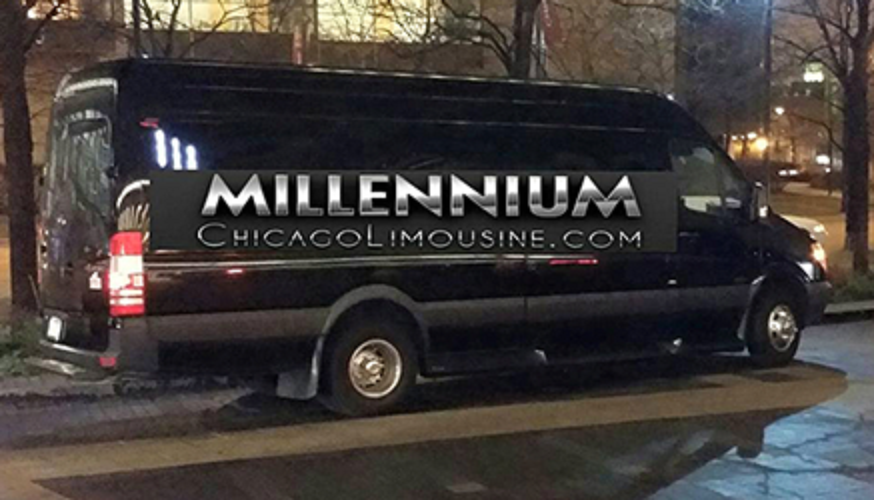
Millennium Chicago Limousine Premium Limousine Rental with Chauffeur in Chicago When it comes to luxury travel, Millennium Chicago Limousine stands out as a trusted name offering top-tier limousine rental with chauffeur services in Chicago. Whether you're heading to an important event, celebrating a special occasion, or simply seeking a comfortable and stylish ride, we provide an exceptional...