Industrial Uses of Endmills in CNC Manufacturing
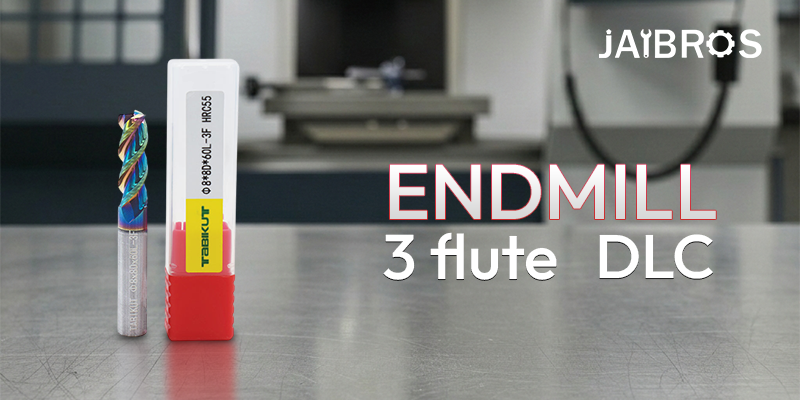
Key Industrial Applications of Endmills in CNC Machining
CNC manufacturing has become one of the most important technologies in modern industrial production. From automotive components to aerospace parts, CNC machines enable manufacturers to produce complex and highly precise components efficiently. One of the most essential cutting tools used in these operations is endmills.
These tools are designed to remove material from a workpiece with accuracy and consistency. Their versatility allows machinists to perform multiple milling operations such as slotting, contouring, pocketing, and profiling. Because of these capabilities, they are widely used across various industries that rely on CNC machining.
Understanding how endmills are used in different industrial sectors helps manufacturers select the right tools and optimize machining processes. In this article, we will explore the major industrial applications of these cutting tools and why they play a critical role in CNC manufacturing.
Understanding the Role of Endmills in CNC Manufacturing
CNC machines rely on advanced cutting tools to shape raw materials into finished components. Among these tools, endmills stand out because they can cut in multiple directions and perform complex machining operations.
Unlike standard drill bits that mainly cut vertically, milling cutters can remove material from the sides as well as the bottom of the tool. This unique capability allows machinists to create detailed geometries and smooth surface finishes.
As a versatile cnc tool, these cutters are used in a wide range of manufacturing processes where precision and efficiency are required.
Automotive Industry Applications
The automotive industry depends heavily on CNC machining to produce engine parts, transmission components, and structural elements. Precision and consistency are critical in this sector because even minor dimensional errors can affect vehicle performance.
In automotive manufacturing, endmills are used to machine components such as:
-
Engine blocks
-
Cylinder heads
-
Gear housings
-
Brake system parts
High-performance carbide endmills are commonly used in automotive machining because they provide excellent durability and wear resistance. These tools can handle high-speed machining conditions and maintain sharp cutting edges for extended periods.
Aerospace Manufacturing
The aerospace industry requires extremely precise components that must meet strict safety and performance standards. CNC machining is widely used to manufacture aircraft components from materials such as aluminum, titanium, and high-strength alloys.
Cutting tools are used to produce parts like turbine components, structural brackets, and engine housings. Because aerospace parts often involve complex geometries, endmills are essential for achieving the required precision.
Tools designed for aerospace machining typically feature specialized coatings and geometries that improve cutting performance when working with tough materials.
Mold and Die Manufacturing
Mold and die production is another industry where CNC machining plays a crucial role. Molds are used to create plastic parts, metal castings, and other industrial products.
These molds require extremely precise cavities and contours. To achieve this level of accuracy, machinists rely on advanced cutting tools capable of producing smooth and detailed surfaces.
There are many types of endmills used in mold manufacturing, including ball nose tools for 3D contouring and finishing operations. Understanding the different types of endmills helps machinists select the right cutter for complex mold designs.
Electronics and Micro Component Manufacturing
The electronics industry requires miniature components that must be manufactured with exceptional precision. From circuit board housings to small mechanical parts, CNC machining is widely used to produce these components.
In these applications, micro endmills are often used to machine extremely small features. These tools are specifically designed for delicate machining tasks and allow manufacturers to create detailed components with tight tolerances.
Because of their small size and high precision, micro endmills are essential tools in industries that demand miniature parts and fine detailing.
Medical Equipment Manufacturing
The medical industry requires highly accurate and reliable components for surgical instruments, implants, and medical devices. CNC machining is commonly used to manufacture these parts from materials such as stainless steel, titanium, and specialized alloys.
High-quality cutting tools are used to produce smooth surfaces and precise dimensions. In medical manufacturing, carbide endmills are often preferred because they maintain cutting performance even when machining hard materials.
Using durable tools ensures consistent results and helps manufacturers meet strict medical quality standards.
Industrial Equipment and Machinery
Heavy industrial equipment also relies on CNC machining for manufacturing durable machine components. Parts such as gears, shafts, and machine housings must be produced with high accuracy to ensure proper operation.
In these applications, endmills are used for rough machining, finishing operations, and creating complex features in metal components.
Their ability to perform multiple milling operations makes them a reliable choice for manufacturers producing large-scale industrial machinery.
Advantages of Using Endmills in CNC Manufacturing
There are several reasons why these cutting tools are widely used in CNC manufacturing.
Versatility
They can perform multiple machining operations, reducing the need for different tools.
Precision
They provide excellent dimensional accuracy and surface finish.
Durability
Modern cutting tools are designed to withstand high cutting speeds and temperatures.
Efficiency
Optimized tool geometry improves chip removal and machining productivity.
Because of these advantages, endmills remain a fundamental component in modern CNC manufacturing systems.
Factors to Consider When Selecting Milling Tools
Choosing the right cutting tool is essential for achieving efficient machining results. Manufacturers must consider several factors when selecting tools for industrial applications.
Important considerations include:
-
Workpiece material
-
Tool coating and geometry
-
Cutting speed and feed rate
-
Cooling and lubrication methods
-
Machine spindle capability
By evaluating these factors, machinists can select the most suitable cnc tool for their specific machining requirements.
Conclusion
CNC manufacturing continues to play a vital role in producing high-precision components for various industries. From automotive and aerospace production to medical device manufacturing and electronics, cutting tools are essential for shaping raw materials into finished products.
Among the many tools used in CNC machining, endmills stand out due to their versatility, precision, and reliability. Their ability to perform multiple milling operations and produce accurate results makes them indispensable in industrial manufacturing environments.
As manufacturing technologies continue to evolve, endmills will remain a critical part of CNC machining processes, helping industries achieve better productivity and higher-quality products.
About Jaibros
Jaibros is a trusted supplier of high-quality industrial cutting tools and machining solutions. The company offers a wide range of precision products designed to support modern manufacturing industries. From milling cutters to advanced machining accessories, Jaibros focuses on delivering reliable and high-performance cnc tool solutions that help manufacturers achieve accuracy, productivity, and efficiency in CNC operations.
FAQs
1. What are endmills used for in CNC manufacturing?
They are used for milling operations such as slotting, contouring, profiling, and pocket machining on CNC machines.
2. Why are carbide cutting tools widely used in CNC machining?
Carbide endmills provide excellent hardness, wear resistance, and heat tolerance, making them suitable for high-speed machining.
3. What are micro milling cutters used for?
Micro endmills are used for machining small components and detailed features in industries such as electronics and medical manufacturing.
4. What are the different types of endmills?
Common types of endmills include flat endmills, ball nose tools, corner radius cutters, and roughing cutters.
5. Why are milling cutters important in industrial manufacturing?
They enable precise material removal, improve machining efficiency, and help manufacturers produce complex components with accuracy.
Categories
Read More
Wisdom teeth removal is a common dental procedure, often recommended to prevent overcrowding, misalignment, or infections. While the surgery itself is straightforward, the post-operative care plays a crucial role in ensuring proper healing. One question many patients frequently ask is: can I drink soda after wisdom teeth removal? Understanding the impact of soda and similar beverages on your...

Traveling through Los Angeles International Airport is more than just catching a flight — it’s an opportunity to enjoy one of the best airport shopping experiences in the United States. Known for its modern terminals, international connections, and Hollywood-inspired atmosphere, LAX offers a wide variety of shopping options for every kind of traveler. From luxury boutiques and...

Crime web series are highly popular in India for their thrilling stories, strong characters, and realistic investigations. Netflix offers many Hindi crime shows, and here’s a curated list of the Top 20 Crime Web Series in Hindi on Netflix. Why Crime Web Series Are So Popular in India Hindi crime web series focus on dark realities, psychological drama, and edge-of-the-seat suspense. These...

💼专业资格认证与文凭服务行业的全球化发展背景与市场需求演变分析与趋势研究 在全球化快速发展的背景下,教育体系与职业资格认证逐渐呈现多元化与国际化趋势。越来越多的个人与机构开始关注跨国学历认证、专业资格评估以及职业技能提升服务。专业资格认证与文凭服务提供商在这一过程中扮演着重要角色,为全球学习者与职业人士提供标准化、规范化以及可验证的教育与资质解决方案。 随着国际劳动力市场的融合,企业对人才资质的要求不断提高,不仅关注学历背景,更注重专业技能认证与国际认可度。因此,专业资格认证服务行业逐渐从传统教育辅助服务转型为综合性人才发展支持体系。 📚国际教育体系中的专业资格认证与文凭服务核心价值与应用领域全面解析 专业资格认证服务主要涵盖学历认证、职业资格评估、技能证书审核以及国际文凭转换等多个方面。这些服务帮助个人实现学历与职业资质在不同国家和地区之间的有效对接。...

Introduction About Joshua Kimmich Joshua Kimmich, born on February 8, 1995, in Rottweil, Germany, is renowned for his exceptional defensive abilities, particularly as an outstanding right back. He is widely respected for his tactical intelligence, versatility, and leadership qualities both at Bayern Munich and within the German national team. Over the years, Kimmich has earned a reputation for...