


How to Choose the Right Fan for Your Room Size
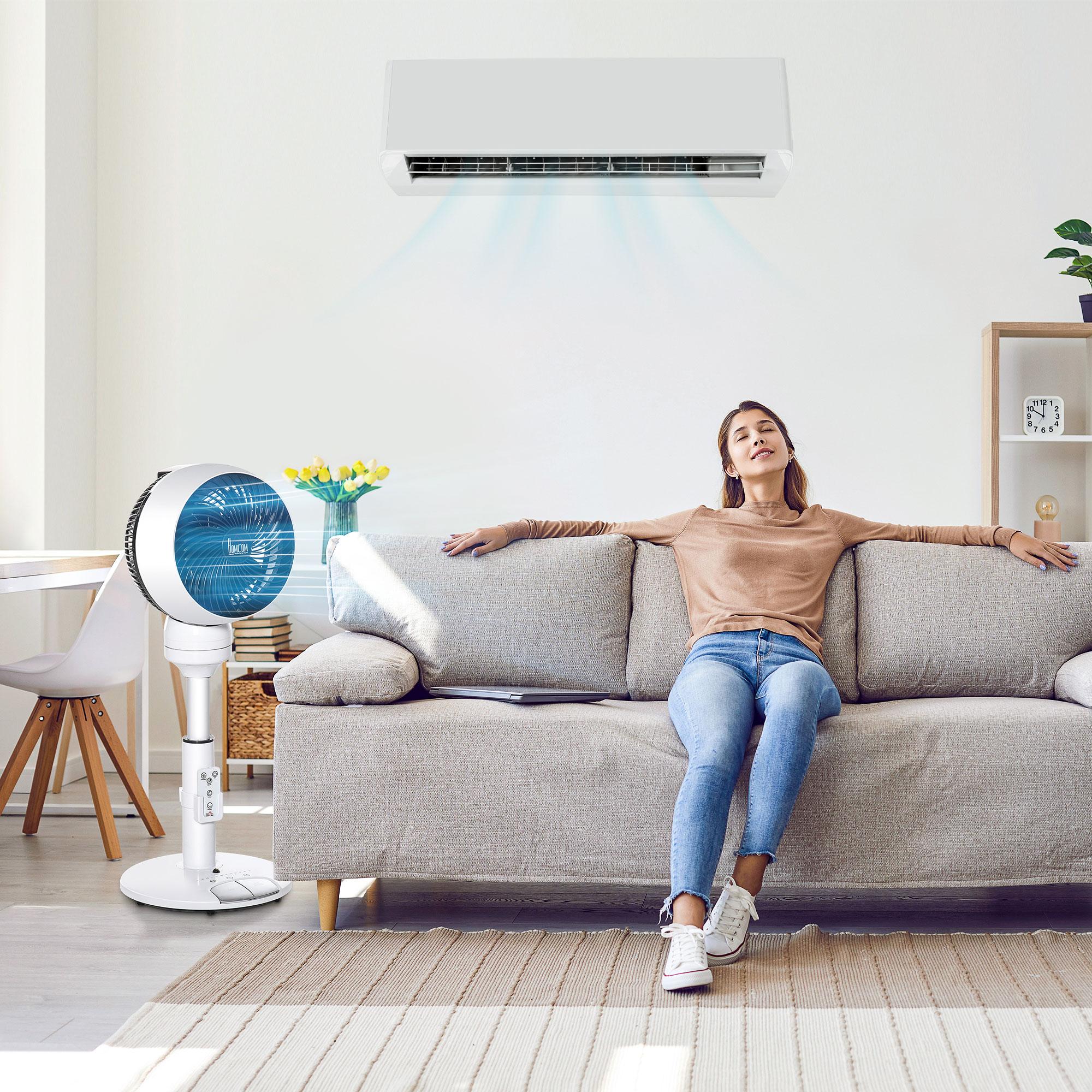
A well-chosen fan can completely transform how a room feels. It improves air circulation, enhances comfort, and reduces reliance on cooling systems. However, selecting the wrong size or type often leads to poor airflow, noise issues, or uneven cooling. The key is to match the fan to your room size, layout, and usage for consistent performance.
Understand Your Room Size First
The starting point is always your room dimensions. Without this, it’s difficult to choose a fan that performs properly.
-
Measure the length and width of the room
-
Multiply them to calculate the total floor area
-
Note ceiling height as it affects airflow distribution
For example, a compact bedroom requires far less airflow compared to a large lounge or open-plan area. A mismatch here often leads to either weak circulation or excessive airflow.
Why Airflow (CFM) Matters
Airflow is measured in CFM (Cubic Feet per Minute), which indicates how much air a fan can move. This is one of the most important factors when choosing a fan.
General airflow recommendations:
-
Up to 75 sq ft → 1,000–3,000 CFM
-
75–200 sq ft → 3,000–5,000 CFM
-
200–400 sq ft → 5,000–7,000 CFM
-
400+ sq ft → 7,000+ CFM
A fan with the correct CFM ensures the air circulates efficiently across the entire room, rather than concentrating in one area.
Match Blade Span to Room Size
Blade span determines how widely air is distributed. Choosing the correct size ensures balanced airflow.
Fan size guide:
-
Small rooms → 29–36 inches
-
Medium rooms → 36–42 inches
-
Larger rooms → 44–54 inches
-
Extra-large spaces → 60 inches or more
A larger blade span covers more area, but it should still be proportional to the room to avoid overwhelming airflow.
Consider Ceiling Height and Mounting Type
Ceiling height directly impacts how effectively air moves through the room. Choosing the right mounting style ensures optimal positioning.
-
Low ceilings: Flush mount (hugger) fans
-
Standard ceilings: Downrod-mounted fans
-
High ceilings: Extended downrod options
For best results, the fan should be positioned about 7 to 9 feet above the floor. This height allows air to circulate properly without creating discomfort.
Choose the Right Fan Type
Different spaces require different fan styles. Selecting the correct type ensures both practicality and performance. This is where choosing suitable fans becomes essential for achieving the right balance of airflow and convenience.
-
Ceiling fans: Ideal for consistent, whole-room airflow
-
Tower fans: Slim design for smaller or modern spaces
-
Pedestal fans: Adjustable height and portable
-
Wall-mounted fans: Great where floor space is limited
Each option serves a unique purpose, so the layout of your room should guide your choice.
Factor in Room Function
The way a room is used influences the type of airflow you need.
-
Bedrooms: Quiet operation with gentle airflow
-
Living areas: Wider coverage with moderate to strong airflow
-
Workspaces: Steady, low-noise airflow for focus
-
Kitchens: Compact yet effective ventilation
Matching airflow intensity to the room’s function helps maintain comfort without disruption.
Look at Speed Settings and Controls
Modern fans offer more than just basic operation. Adjustable settings improve flexibility and comfort.
-
Multiple speed levels for different conditions
-
Remote control or smart features for ease of use
-
Timer functions to manage energy usage
These features allow better control over airflow throughout the day.
Noise Levels and Comfort
Noise is often overlooked but plays a crucial role in daily comfort.
-
Choose fans with quiet motor technology
-
DC motors typically operate more quietly than traditional models
-
Lower speeds help maintain a peaceful environment
This is especially important for bedrooms and study areas where minimal noise is preferred.
Energy Efficiency and Long-Term Use
Energy efficiency is an important factor, especially for fans used frequently.
-
DC motor fans use less power while delivering strong airflow
-
Efficient designs reduce electricity consumption
-
Proper sizing avoids unnecessary energy waste
An energy-efficient fan helps maintain comfort without increasing running costs.
Placement and Airflow Direction
Even a high-quality fan won’t perform well if placed incorrectly.
-
Install centrally for even airflow distribution
-
Maintain distance from walls and obstructions
-
Ensure no furniture blocks airflow paths
Good placement allows air to circulate freely across the entire room.
Bringing It All Together
Choosing the right fan for your room size involves more than just picking a design that looks good. It requires a clear understanding of room dimensions, airflow needs, ceiling height, and how the space is used. When these elements are aligned, the result is a comfortable, well-ventilated space with consistent airflow and minimal noise. A thoughtful choice ensures long-term comfort and better performance every day.
Categorieën
Read More
Le secteur des jeux d’argent sur internet connaît une évolution constante, et l’apparition régulière d’un nouveau casino en ligne attire de nombreux joueurs curieux de découvrir des plateformes innovantes. Ces nouveaux sites cherchent souvent à se démarquer grâce à des technologies modernes, des bonus attractifs et...

Polaris Market Research has introduced a new market research report entitled Baobab Market Share, Size, Trends, Industry Analysis Report, By Category (Organic, and Conventional); By Formulations; By Application; By Region; Segment Forecast, 2023 - 2032, which acts as a reliable resource for analyzing historic and forecast measures, development structure, and key dynamics and their impact....

Relocating in a busy metropolitan city like Delhi often involves careful planning—especially when it comes to moving your two-wheeler. Whether you are shifting your residence, relocating for work, or sending your motorcycle to another city, choosing professional bike transport services in Delhi ensures complete safety and peace of mind. At Carbikemovers, we specialize in reliable...

Introduction Mental health support is no longer limited to traditional methods. With growing awareness and changing lifestyles, people are looking for flexible and immediate solutions. AI therapy and therapist AI are emerging as helpful tools that provide real-time emotional support, guidance, and self-care assistance. Platforms like Wellzy are designed to make mental wellness simple,...

Grab Stacked High-Rated Cards! What's Inside FC26's Exclusive World's Game Edition? Hunting premium untradeable elite cards and fast Season Pass progress in FC26? EA's brand-new World's Game Edition brings abundant FUT loot alongside a free global tournament update-are these exclusive bundles worth picking up FC 26 Coins this summer? 1. Core Release & Free Base Game Update Details Audience...
