Powering Performance - Cloud Server Solution
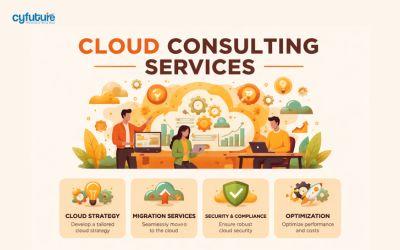
As businesses expand digitally, the need for reliable infrastructure becomes critical. Downtime, slow load speeds, and data vulnerabilities can directly impact revenue and reputation. This is where a robust cloud server solution becomes indispensable.
Unlike traditional physical servers, cloud servers offer flexibility, scalability, and remote accessibility. They allow companies to scale resources instantly based on demand, ensuring optimal performance at all times.
What Is a Cloud Server Solution?
A cloud server solution provides virtualized computing resources hosted on distributed cloud infrastructure. Instead of relying on a single physical machine, workloads are distributed across multiple interconnected servers.
Providers like Amazon Web Services, Microsoft Azure, and Google Cloud deliver global infrastructure capable of supporting businesses of all sizes.
Key Benefits
1. Scalability on Demand
One of the biggest advantages of a cloud server solution is elasticity. Businesses can increase or decrease computing power instantly based on traffic spikes, seasonal demand, or growth phases.
E-commerce platforms, for example, can scale during festive sales without investing in permanent hardware upgrades.
2. High Availability
Cloud infrastructure typically operates across multiple data centers. If one server fails, another automatically takes over. This redundancy ensures high uptime and business continuity.
3. Cost Efficiency
Traditional servers require upfront capital expenditure, maintenance costs, and physical space. Cloud servers operate on a pay-as-you-go model, converting capital expenses into manageable operational costs.
4. Enhanced Security
Leading providers invest heavily in cybersecurity measures, including encryption, firewall protection, DDoS mitigation, and advanced monitoring tools.
However, businesses must still configure access controls and security policies properly to maximize protection.
Types of Cloud Server Solutions
Organizations can choose from:
- Public cloud servers
- Private cloud servers
- Hybrid cloud solutions
- Dedicated virtual servers
- Managed cloud hosting
The right choice depends on data sensitivity, compliance requirements, and performance needs.
Ideal Use Cases
Cloud server solutions are suitable for:
- Web and mobile application hosting
- Enterprise resource planning systems
- Data storage and backup
- Big data processing
- SaaS platforms
- AI and machine learning workloads
Startups benefit from low entry costs and scalability. Enterprises benefit from reliability and global reach.
Disaster Recovery and Backup
One of the most critical advantages of cloud servers is automated backup and disaster recovery. Data can be replicated across geographic regions, reducing the risk of loss due to hardware failure or natural disasters.
Businesses can restore operations quickly without significant downtime.
Performance Optimization
Modern cloud servers support load balancing, content delivery networks (CDNs), and high-performance SSD storage. These features ensure fast response times and smooth user experiences.
Slow-loading applications often results in lost customers. A well-configured cloud server solution helps maintain performance even during peak traffic.
The Future of Cloud Infrastructure
Cloud computing continues to evolve with trends such as:
- Edge computing
- Serverless architecture
- Containerization
- AI-driven resource allocation
- Green cloud initiatives
Organizations adopting modern cloud server solutions position themselves for innovation and competitive agility.
Final Thoughts
In a fast-paced digital landscape, infrastructure reliability directly impacts customer satisfaction and revenue growth. A strategic cloud server solution provides scalability, security, and performance without the burden of physical hardware management.
As businesses increasingly shift to digital-first operations, cloud servers are no longer optional—they are essential building blocks for sustainable success.
Choosing the right configuration and provider ensures that your infrastructure supports growth rather than limiting it.
Kategoriler
Read More
Book Kolkata to Mayapur taxi fare online at best price. CabBazar provides car rental services for all cab types AC, Non AC, Hatchback, SUV, Sedan, Innova and Tempo Traveller. Both One way drop taxi and round trip cab available at lowest price. Price starts Rs. 9/Km.

The global Payment Analytics Software Market is steadily advancing as financial institutions, fintech companies, and enterprises increasingly rely on data-driven insights to optimize transaction performance, mitigate fraud risks, and enhance customer experiences. Valued at USD 3.91 billion in 2025E, the market is projected to reach USD 5.83 billion by 2033, registering a CAGR of 5.18% from 2026...

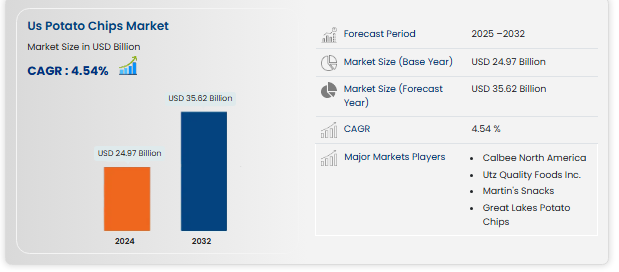
"Executive Summary U.S. Potato Chips Market Research: Share and Size Intelligence CAGR Value The U.S. potato chips market size was valued at USD 24.97 billion in 2024 and is expected to reach USD 35.62 billion by 2032, at a CAGR of 4.54% during the forecast period U.S. Potato Chips Market report makes available the valuable information about specific niche and hence saves a lot of...
Postpartum changes are a natural part of motherhood, but they can sometimes affect a woman’s physical comfort, confidence, and intimate wellness. Many women experience changes in vaginal elasticity, muscle tone, and overall sensation after childbirth. These changes are completely normal, but they can influence daily comfort and personal confidence. Laser Vaginal Tightening in Dubai has...

When it comes to traveling in comfort and style, few experiences compare to a private chauffeur service. It’s more than just getting from one place to another—it’s about enjoying a seamless, stress-free, and elegant journey tailored to your needs. Whether for business, leisure, or special occasions, a professional chauffeur transforms every trip into a first-class experience....