


Understanding Sanity Testing: A Practical Guide for Modern Development
Software development is evolving rapidly, with teams pushing updates, bug fixes, and new features more frequently than ever. In such fast-paced environments, even small code changes can unintentionally break existing functionality. This is where sanity testing becomes essential. Sanity testing provides a quick and focused way to verify that recent changes work correctly without performing a full regression test, helping teams maintain stability while moving quickly.
Sanity testing is commonly used after bug fixes, minor feature enhancements, or small code modifications. Instead of testing the entire application, testers focus only on the affected areas. This approach saves time, reduces testing effort, and ensures that critical functionalities remain stable before proceeding to more detailed testing phases.
What is Sanity Testing?
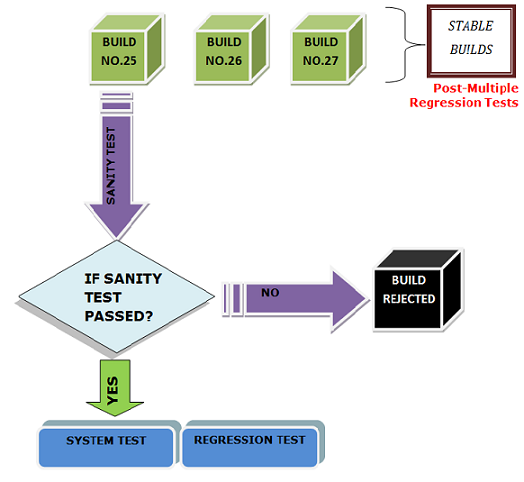
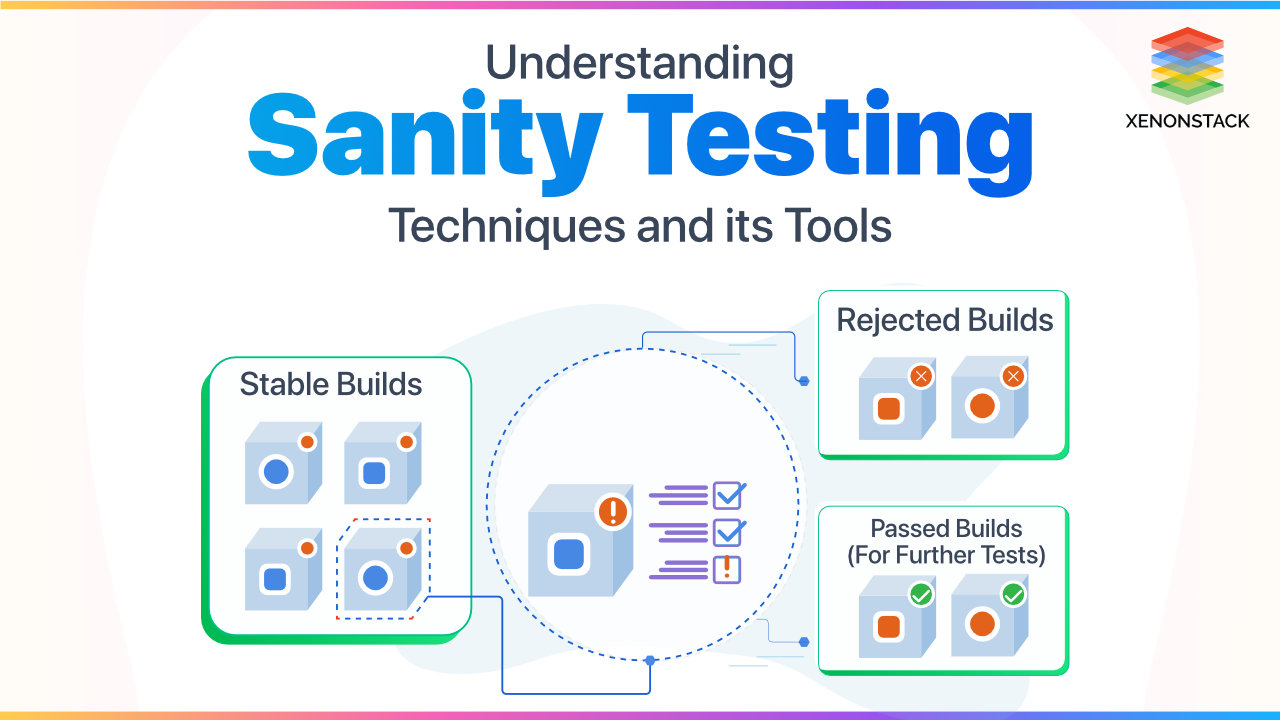
Sanity testing is a type of software testing performed after minor code changes, bug fixes, or updates to verify that the affected functionality works as expected. It is usually a quick and focused testing approach designed to validate stability before conducting further testing.
Unlike regression testing, which checks the entire application, sanity testing concentrates only on the modified modules. This makes it faster and more efficient, especially in agile environments where frequent updates are common.
For example, if developers fix a login issue, sanity testing would focus on verifying login functionality, related authentication features, and any impacted workflows. If these tests pass, the build is considered stable enough for further testing.
Objectives of Sanity Testing
Sanity testing serves several important objectives in software development:
-
Verify functionality after minor changes
-
Ensure system stability before further testing
-
Reduce unnecessary regression testing
-
Detect critical issues early
-
Improve development efficiency
By focusing only on recent updates, sanity testing helps teams quickly determine whether the application is stable enough to proceed.
When Should Sanity Testing Be Conducted?
Sanity testing is typically performed in the following situations:
-
After fixing a bug
-
After minor feature updates
-
Before merging code changes
-
Before deployment
-
When time constraints prevent full regression testing
These scenarios make sanity testing particularly useful in agile and DevOps workflows where quick validation is necessary.
How to Perform Sanity Testing
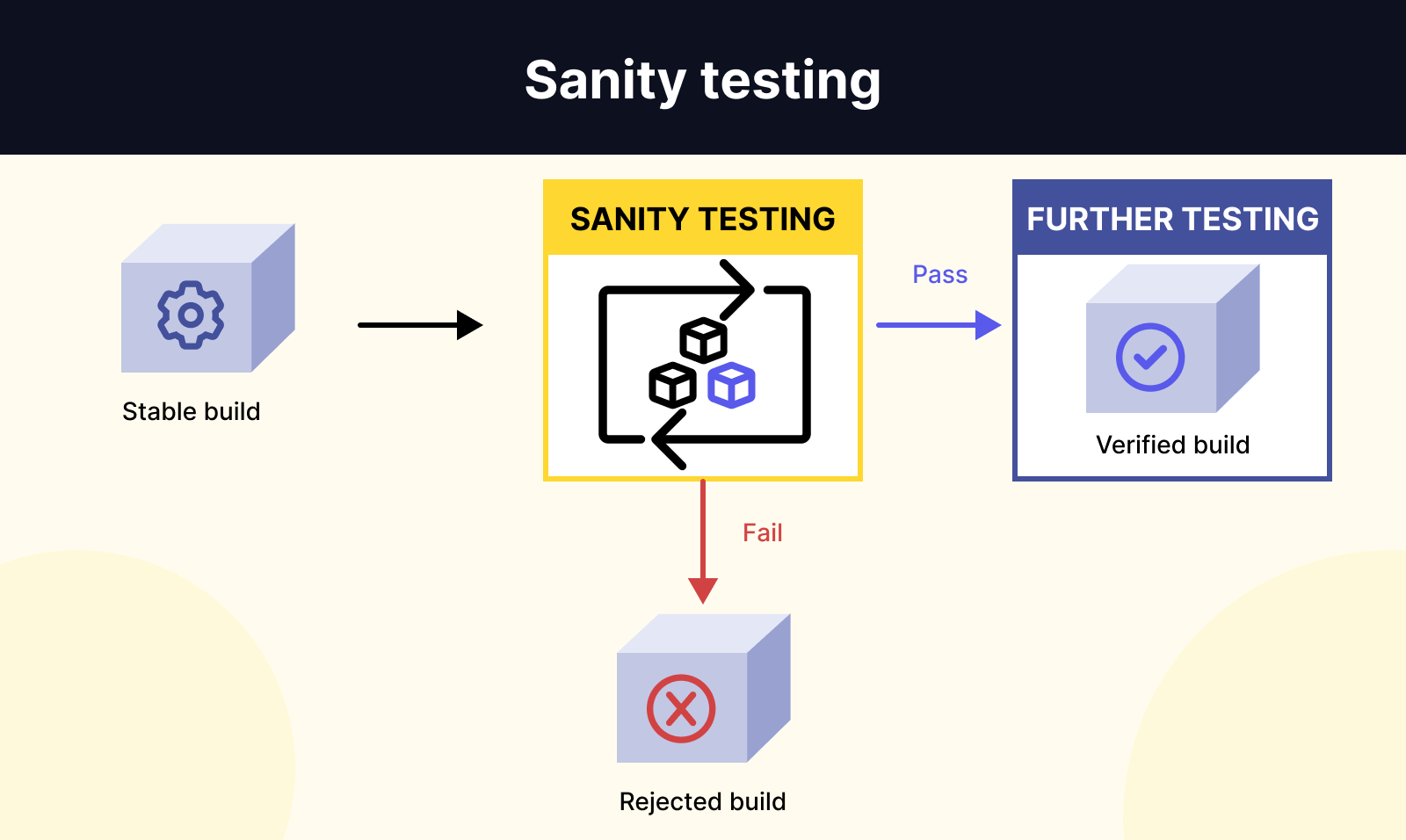
Performing sanity testing involves a structured but simple approach:
First, testers understand the recent changes by reviewing bug reports, release notes, or commits. Next, they identify critical areas affected by the modifications. Then, testers verify the modified functionality and test related components that may be impacted. After that, they execute basic user scenarios to confirm application stability. Finally, any issues discovered during testing are documented and reported to developers.
This structured approach helps teams quickly identify problems and maintain software quality.
Advantages of Sanity Testing
Sanity testing offers several benefits for development teams. It helps detect issues early, reducing debugging costs and preventing unstable builds from progressing further. Because sanity testing is quick, it improves development speed and supports continuous integration workflows. It also enhances collaboration between developers and QA teams by providing immediate feedback.
Additionally, sanity testing improves release quality by validating recent changes before full testing. This ensures that updates do not introduce unexpected issues.
Disadvantages of Sanity Testing
Despite its benefits, sanity testing has some limitations. Since the testing scope is narrow, some issues may go undetected. It also relies heavily on tester expertise, as testers must identify affected areas accurately. Additionally, sanity testing should not replace full regression testing, as it only verifies specific functionality.
Sanity Testing vs Smoke Testing
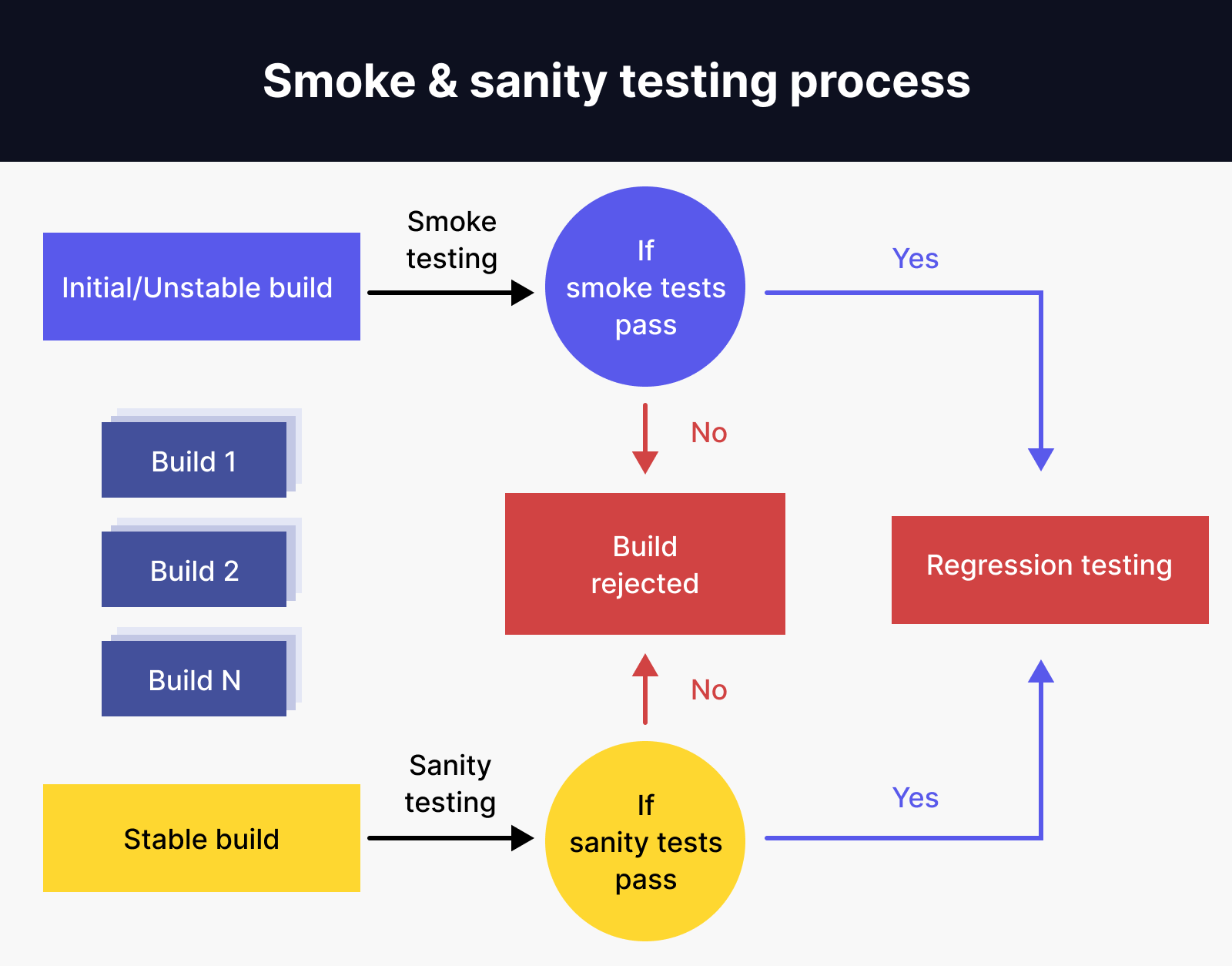
Sanity testing and smoke testing are often confused, but they serve different purposes. Smoke testing verifies basic system functionality after a new build, while sanity testing validates specific changes after bug fixes or updates.
Smoke testing is broader but shallow, whereas sanity testing is narrow but deeper. Both are important for maintaining software stability and improving development workflows.
Tools Used for Sanity Testing
Several tools help teams perform sanity testing efficiently:
-
Selenium WebDriver
-
Postman
-
Cypress
-
Jenkins
-
TestNG and JUnit
These tools help automate validation and integrate testing into CI/CD pipelines, making sanity testing faster and more reliable.
Role of Sanity Testing in SDLC
Sanity testing plays an important role in the Software Development Life Cycle. It acts as a quality checkpoint between development and testing phases. By validating recent changes, sanity testing ensures that only stable builds move forward.
This helps maintain software reliability, reduce testing effort, and improve release confidence.
Conclusion
Sanity testing is an essential part of modern software development. It provides a quick and focused way to validate recent changes, detect issues early, and maintain stability. In fast-moving development environments, sanity testing helps teams deliver high-quality software while keeping release cycles short.
By integrating sanity testing into your workflow, you can improve software reliability, reduce risks, and ensure smoother deployments.
Categorias
Leia Mais
Viraday tablet prices are one of the main factors that affect the people treating HIV. Viraday is a combination of several antiretroviral medicines in one pill, which serves as a popular treatment option for maintaining viral load management. The treatment will extend over time so it becomes necessary to verify the cost of viraday tablets for effective long-term planning. Pupils Know the Cost...

The world of online entertainment continues to expand, providing players with more opportunities than ever to enjoy their favorite games and sports activities from anywhere. Among the platforms gaining attention from gaming enthusiasts is ZBET, a destination that offers a combination of sports betting, casino gaming, and modern digital entertainment. https://zbet.lol/ is designed to meet...

When it comes to home maintenance, plumbing is one area where misinformation can lead to expensive mistakes. Many homeowners rely on advice they've heard from friends, family members, or online sources without realizing that some common plumbing beliefs are simply myths. Unfortunately, following bad advice can result in damaged pipes, costly repairs, and unnecessary stress. At Scarboro...

Carnival-style events have become one of the most effective ways to make celebrations in Hong Kong more lively, interactive, and memorable. Whether it is a school fun fair, corporate family day, shopping mall promotion, festive event, or community gathering, carnival booths and game-based attractions create a welcoming atmosphere that encourages participation from guests of all ages. The best...

Global Demand Outlook for Executive Summary Virtual Fitting Room Market Size and Share The global Virtual Fitting Room Market is experiencing rapid growth due to increasing adoption of augmented reality (AR), artificial intelligence (AI), and digital commerce technologies across the retail and fashion industries. Virtual fitting room solutions allow consumers to virtually try on apparel,...