


Let Your Compressed Air Speak for Itself DP 510 Listens
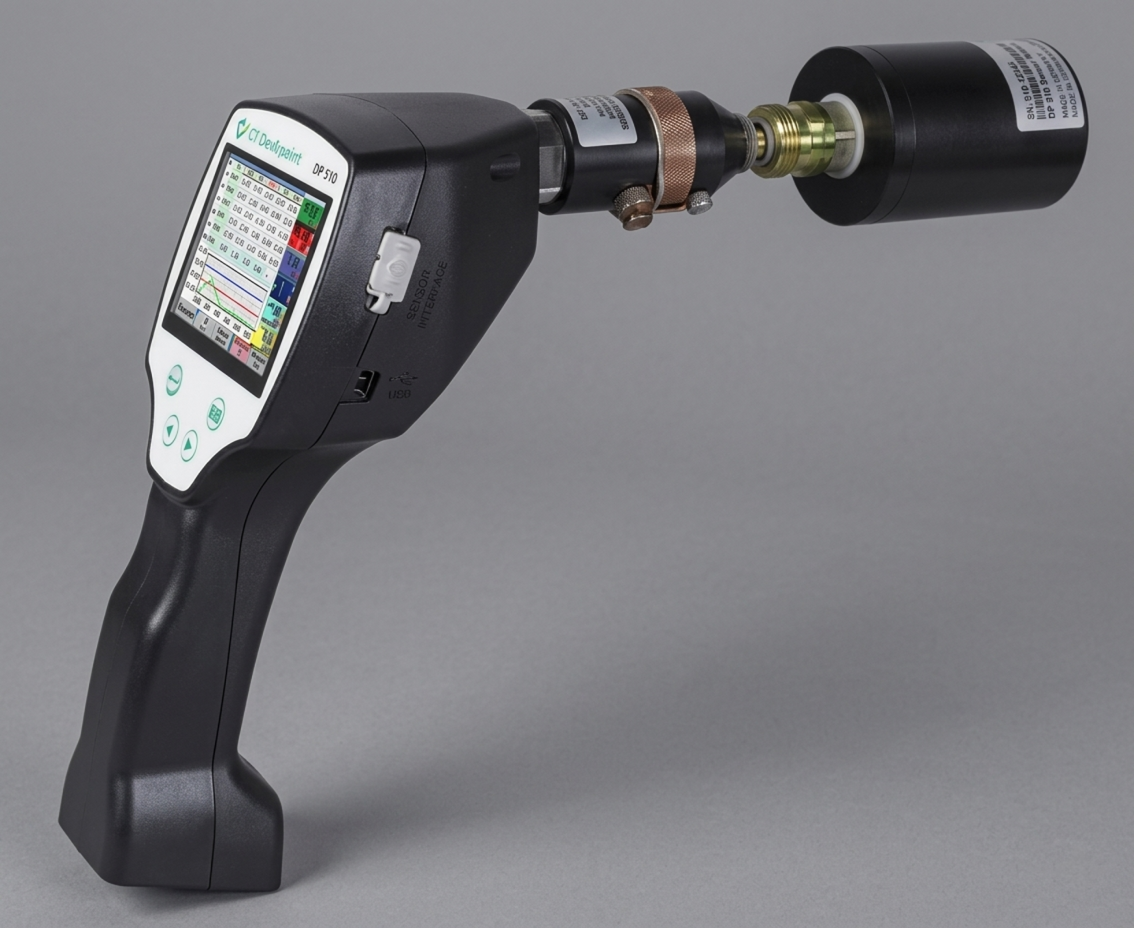
Moisture can change the behavior of compressed air systems in quiet ways that are easy to overlook until the effects begin to spread. A small amount of water vapor may seem harmless, yet inside a pressurized network it can influence product quality, equipment life, and process stability. Once condensation appears, the system is no longer simply moving air. It is also carrying a risk that can alter the condition of downstream operations.
That is why air purity deserves close attention rather than casual assumption. When dew point stays under control, the system is more predictable and the output remains steadier. Operators gain a clearer view of conditions, which makes it easier to protect sensitive processes and reduce avoidable interruption. Careful observation of moisture behavior becomes part of overall process discipline.
Why Moisture Changes Everything
Compressed air may look clean, but appearance tells only a small part of the story. Water vapor can pass through the system unseen, then condense when temperature or pressure changes. That shift can lead to corrosion, blockages, unstable performance, and unnecessary maintenance. Even when damage does not appear immediately, moisture can still affect consistency in subtle ways.
Control begins with measurement. Once moisture levels are visible, decisions become more practical and less reactive. A system that understands its own dew point is better prepared to maintain purity requirements and protect the equipment that depends on dry air. This type of visibility turns an invisible variable into something measurable and manageable.
Making Sense of DP 510 ISO 8573 Dew Point Monitoring
A reliable view of moisture conditions changes how compressed air is managed. When DP 510 ISO 8573 Dew Point Monitoring is used within the system, it gives direct insight into the point where vapor can turn into liquid and disrupt performance. That kind of information helps operators understand whether the air remains suitable for the process or whether conditions are drifting toward risk.
This matters because purity is not only about removing water. It is about knowing whether the air remains consistent enough for the task it supports. With clear dew point data, teams can respond before moisture causes drift in quality or damage in equipment. The result is a more stable environment, where decisions are based on actual system behavior rather than guesswork.
Seeing What Cannot Be Seen
Many compressed air problems begin long before a visible failure occurs. A system may seem to run normally while moisture slowly gathers in lines, filters, and critical points. Without accurate observation, these changes may stay hidden until they become expensive. By watching dew point closely, operators gain a clearer picture of what is happening inside the network.
This level of visibility helps expose conditions that might otherwise be dismissed as minor fluctuations. When the air becomes more humid or cooling conditions shift, the system shows signs of movement that deserve attention. Early awareness gives teams time to act before quality slips or repairs become more demanding.
Keeping Purity Standards Steady
Processes that depend on compressed air often require a stable level of dryness. If moisture rises, the effect can reach tools, instruments, packaging lines, or production stages that depend on clean air. Even a brief deviation can create variation that is difficult to correct later. Stability therefore becomes a practical need rather than a technical preference.
Consistent dew point observation helps preserve that stability. It allows teams to see whether the air remains within safe limits for the process and whether conditions are drifting in a direction that requires attention. By tracking changes with care, the system remains aligned with purity expectations and supports dependable operation.
Reducing Damage Before It Starts
Water inside compressed air lines can do more than alter output. It can also encourage wear, rust, and buildup that shorten equipment life. Over time, those effects may raise repair needs and create downtime that interrupts production. Moisture often acts slowly, which makes early detection especially valuable.
When dew point is visible, it becomes easier to protect the system before damage begins. Small shifts can be noticed while they are still manageable, allowing corrective action that is targeted rather than disruptive. That kind of prevention saves time and helps preserve the condition of equipment that must perform under pressure.
Supporting Better Process Decisions
A clear reading of moisture conditions gives operators more than a number. It gives context. When the dew point changes, the reason may be connected to seasonal weather, load variation, dryer performance, or shifts in airflow. Seeing those patterns helps teams understand what the system needs rather than reacting blindly.
Better decisions follow naturally from that clarity. Maintenance can be planned with greater purpose. Process adjustments can be made with more confidence. Air quality can be managed in a way that matches real operating demands. This is where measurement becomes useful beyond inspection. It begins to shape the way work is organized.
Turning Data Into Daily Practice
Data has value only when it influences what happens next. A dew point reading is meaningful because it helps guide action, not because it exists on its own. When moisture levels are observed regularly, operators can identify trends, compare conditions, and keep the system aligned with quality expectations.
This habit of observation strengthens the whole operation. Instead of treating air purity as an occasional concern, the system becomes part of routine control. Over time, that steady attention reduces surprises and builds a more dependable workflow. The air remains easier to trust because its condition is no longer hidden.
Why Consistency Matters More Than Correction
Correcting a moisture issue after it appears is useful, but consistency prevents the issue from becoming a pattern. A stable compressed air system is one that stays dry enough to support its purpose without constant intervention. That level of reliability comes from ongoing awareness, not isolated checks.
With regular dew point visibility, teams can maintain a stronger baseline and notice change sooner. That means fewer abrupt shifts, fewer quality concerns, and less pressure on downstream equipment. In practical terms, it creates a system that behaves in a more controlled and predictable way.
Conclusion
Compressed air purity depends on more than filters and machinery. It depends on knowing how moisture behaves and whether the system remains dry enough to support its task. DP 510 ISO 8573 Dew Point Monitoring provides that understanding by making vapor conditions visible and turning them into useful information.
When dew point is managed with care, operations become steadier, equipment faces less stress, and purity standards are easier to maintain. The result is a compressed air environment that supports quality, protects performance, and reduces avoidable disruption.
Категории
Больше
Thoracic Aortic Aneurysm Industry Insights: Straits Research recently introduced the latest update on the Thoracic Aortic Aneurysm Market that provides an extensive outlook of the market, analyzing key growth opportunities, challenges, risk factors, and emerging trends across diverse geographic regions. The report offers a definitive and meticulous analysis of the Thoracic Aortic...

A reliable Katzkin dealer is more than just a supplier of leather kits. It is a complete solution provider that transforms your vehicle’s interior into a luxurious, factory-finished space. At Arizona Sun Tops, customers benefit from over 35 years of experience in automotive restyling, including leather interiors, sunroofs, and advanced accessories. As an authorized Katzkin dealer, the...

A new growth forecast report titled Filter Bags Market Share, Size, Trends, Industry Analysis Report, By Type (Pulse Jet, Reverse Air, and Shaker); By Fluid; By Application; By Region; Segment Forecast, 2023-2032 introduced by Polaris Market Research represents conclusive data on the overall market. It majorly targets to provide a detailed analysis of growth factors, challenges, and...

The hermetic packaging industry is witnessing remarkable expansion due to rising demand for highly reliable electronic components across aerospace, defense, automotive, medical, and telecommunications sectors. Hermetic packaging solutions are specifically designed to provide airtight sealing that protects sensitive electronic devices from moisture, gases, and environmental contamination....

UroVita Care Capsules are a dietary supplement formulated to support urinary tract, digestive, and intimate health by promoting a balanced microbiome. The formula combines clinically studied probiotic strains with cranberry extract, prebiotic fiber, and supportive nutrients to help maintain healthy bacteria in the gut and urinary tract. According to the manufacturer, the supplement is intended...