Transformative Healthcare Marketing Innovation: Reengineering Patient Engagement Through Advanced Technological Integration

Modern health systems are currently at a critical crossroads, driven by an aging population, rising costs, and a grassroots demand for personalized care. The transition from traditional, illness-centric models toward smart hospitals represents a fundamental shift in strategy and organizational mindset. This evolutionis evolution is fueled by the rise of the empowered consumer who actively seeks digital tools, online resources, and mobile applications to manage personal wellness. Consequently, effective healthcare marketing must now pivot from a "one-size-fits-all" approach to a one-size-fits-one philosophy that recognizes patients as individuals rather than anonymous diagnoses.
Breaking Silos Through Interoperability
A primary challenge to reengineering engagement is the prevalence of "silos of excellence"—robust data solutions that function well individually but fail to communicate with one another. True innovation requires foundational interoperability, allowing for the seamless exchange of information between hospital records, outpatient practices, and even wearable devices. This is evidenced by initiatives like Traverse Exchange Canada, which connects dozens of hospitals and hundreds of long-term care homes to provide clinicians with a high-level view of patient data within their existing workflows.
By establishing a shared framework like the Canadian FHIR Exchange, the industry can reduce the administrative burden of searching through fragmented repositories. Integrating these diverse data streams allows for more sophisticated healthcare marketing that leverages actionable insights to guide patients through complex health journeys. Such connectivity ensures that the "International Patient Summary" can follow a patient across borders, providing medical authorities with critical history, such as medications and allergies, in real-time via QR codes. Furthermore, targeted clinical service promotion is enhanced when providers can demonstrate that care transitions are supported by secure, portable data.
Personalizing the Patient Journey: Hospital at Home
Technological integration is also redefining where care is delivered. The "Hospital at Home" (HaH) model leverages remote patient monitoring (RPM) and telehealth to provide acute-level care in the comfort of a patient's own residence. Programs like those at Quebec’s Jewish General Hospital and SE Health utilize data-enabled tablets and sensors to track vital signs, resulting in a 26 percent lower risk of long-term care readmission. These models enhance the patient experience by allowing individuals to maintain their normal routines and stay active, which often leads to faster recovery times.
In HaMilton, the MyChart Care Companion feature within the Epic digital system allows patients with heart failure to respond to health assessments from home, with results automatically updating their electronic health records. This transition to value-based care shifts the focus from treating a disease to meeting a person’s specific goals. Furthermore, advances in nuclear medicine and theranostics, such as the GE Omni Legend PET/CT system, allow for ultra-precise visualization and targeted treatment tailored to individual molecular profiles.
The Ethical Integration of Artificial Intelligence
As health systems integrate Generative AI (GenAI) to enhance decision-making and data analysis, they must address significant ethical challenges. GenAI holds immense potential for increasing diagnostic accuracy and personalizing treatments, but it requires robust human oversight to ensure patient safety. Developers must prioritize patient privacy, data safety, and the use of diverse training data sets to prevent biases that could lead to healthcare inequities.
Transparency in AI decision-making processes is essential for maintaining trust within the system. When organizations can successfully assemble the "complete picture" of a patient's history through semantically interoperable systems, they reduce the burden on both clinicians and patients. Ethical healthcare marketing in this high-tech environment requires clear communication with patients regarding how their data is shared and used, ensuring that consent is informed and given in layman’s language.
Operational Orchestration and System Efficiency
Beyond individual engagement, innovation must encompass systemic orchestration to address infrastructure bottlenecks like emergency department (ED) overcrowding. Quebec’s Ministry of Health successfully utilized an Orchestration Platform to provide triage nurses with a real-time view of primary care availabilities. This data-driven coordination ensures that patients access the right level of care promptly, reflecting a broader shift toward proactive resource management.
Conclusion
The path toward a truly smart hospital requires a phased approach that prioritizes data security, staff training, and the adoption of international messaging standards like FHIR. By embracing digital transformation and cloud-based platforms, healthcare organizations can streamline appointment scheduling, improve financial management, and support better decision-making through comprehensive reporting. Ultimately, the goal is to create a cohesive system where hospital budgets are maximized for patient benefit and clinicians can focus on care rather than digital roadblocks. Future healthcare marketing will be defined by its ability to navigate these technological complexities while keeping the patient at the center of every innovation, ensuring that for the consumer, the experience is always all about me.
Categorias
Leia mais
"Organic Wheat Germ Oil Market Summary: According to the latest report published by Data Bridge Market Research, the Organic Wheat Germ Oil Market The global organic wheat germ oil market size was valued at USD 237.35 million in 2025 and is expected to reach USD 954.50 million by 2033, at a CAGR of 19.0% during the forecast period Winning Organic Wheat Germ Oil Market research report...

NEWARK, Del., June 12, 2026 — The global Shelf-Stable Mezze Fermentation Ingredient Systems Market is projected to grow from USD 148.0 million in 2026 to USD 291.1 million by 2036, registering a CAGR of 7.0% during the forecast period, according to Future Market Insights (FMI). The market was valued at USD 138.3 million in 2025 and is expected to generate an incremental opportunity of USD...
According to the latest report published by Data Bridge Market Research, the Cannabis Retail Point of Sale (POS) Software Market The Cannabis Retail Point of Sale (POS) Software Market was valued at USD 3.01 billion in 2025 and is projected to reach USD 8.95 billion by 2033, growing at a CAGR of 14.60% from 2026 to 2033. This Cannabis Retail Point of Sale (POS) Software...
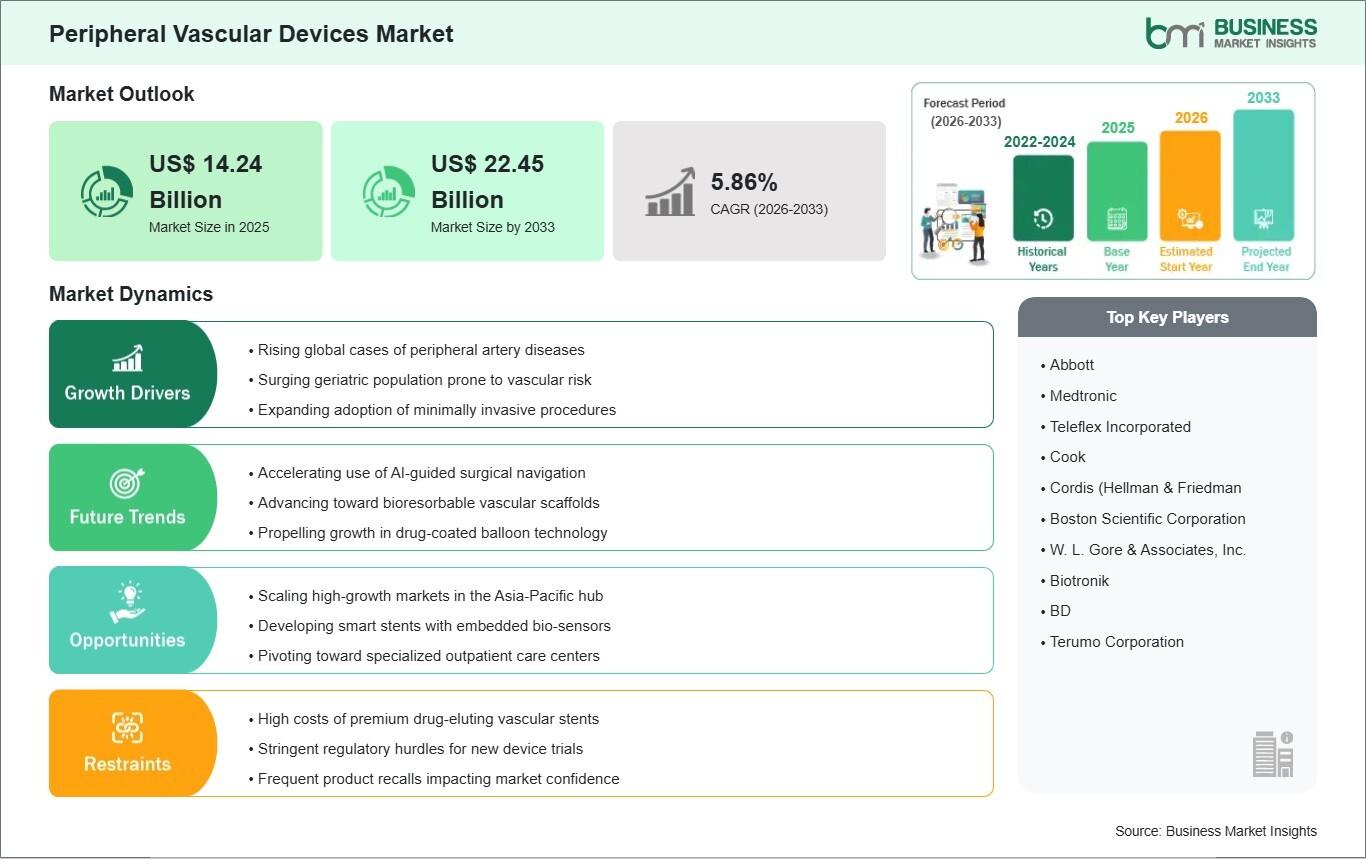
The Peripheral Vascular Devices Market is witnessing a period of rapid clinical and structural expansion. This growth is primarily fueled by the climbing global incidence of peripheral artery disease (PAD), venous thromboembolism, and abdominal aortic aneurysms, alongside a structural shift toward minimally invasive endovascular interventions. By providing interventional cardiologists, vascular...
In moment’s presto- moving fashion geography, streetwear has come more than a trend it is a life, a culture, and a form of tone- expression. Among the brands shaping this movement, Godspeed Clothing stands out for its bold designs, meaningful symbolism, and ultraexpensive quality. Known for blending contemporary road aesthetics with deeper cultural and spiritual influences, Godspeed...