The Digital Marketplace: Building Platforms for Direct-to-Consumer Agricultural Sales
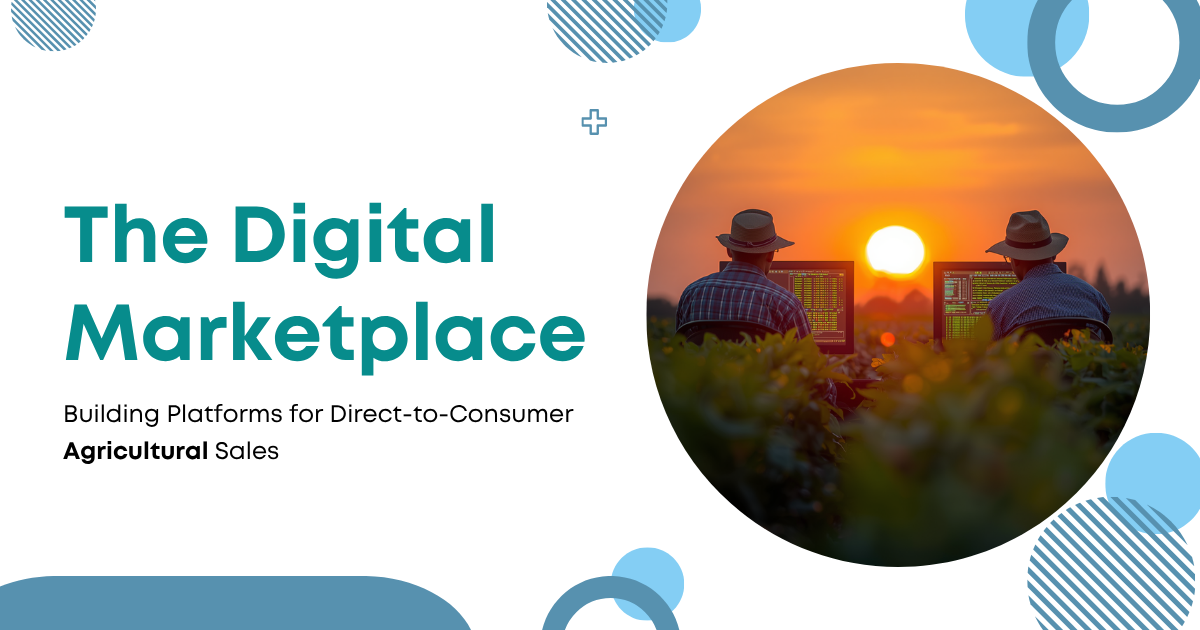
The global food system is changing fast. Farmers no longer rely solely on traditional wholesalers to sell their goods. Instead, they are moving toward Direct-to-Consumer (DTC) models. This shift requires sophisticated technology. Success in this space depends on high-quality Agriculture Software Development.
A digital marketplace connects the field directly to the kitchen table. It removes middlemen who take large cuts of profit. For many farmers, this means the difference between a loss and a thriving business. This examines the technical requirements for building these platforms. We will look at architecture, data management, and logistics integration.
The Rise of Direct Agricultural Sales
Consumer habits shifted drastically over the last five years. People now want to know exactly where their food grows. They value freshness and sustainability. Statistics show that the DTC food market grew by 25% annually since 2020.
Building a platform for this market is not like building a standard e-commerce site. Agricultural products are perishable. They have variable weights and seasonal availability. These unique challenges require specialized Agriculture Software Development Services.
Benefits of the DTC Model
-
Higher Profit Margins: Farmers keep up to 40% more of the retail price.
-
Price Control: Producers set their own prices based on actual costs.
-
Data Ownership: Farmers learn who their customers are and what they buy.
-
Waste Reduction: Direct sales allow for better demand forecasting.
Technical Architecture of a Digital Farm Marketplace
A robust marketplace needs a scalable and modular architecture. Most modern platforms use a microservices approach. This allows developers to update the payment system without touching the inventory database.
1. Cloud-Native Infrastructure
Hosting the platform on the cloud is essential. It provides the elasticity needed for seasonal spikes. For example, an orchard might see a 500% increase in traffic during harvest month.
-
Auto-scaling: The server capacity grows automatically during peak hours.
-
High Availability: Cloud providers ensure the site stays up during critical sales windows.
-
Global Content Delivery: Speed is vital. Users expect images and pages to load in under two seconds.
2. Database Design for Perishables
Standard databases often struggle with agricultural data. You need a system that handles "catch weight" products. This refers to items like meat or pumpkins that vary in weight.
-
NoSQL Databases: These handle unstructured data like soil reports or high-res photos easily.
-
Relational Databases: These manage financial transactions and user accounts with high integrity.
-
Real-time Synchronization: The inventory must update the second a sale happens to avoid overselling.
Core Features for Agricultural Platforms
Generic web builders cannot handle the complexity of a farm. A specialized Agriculture Software Development Company focuses on specific functional modules.
1. Advanced Inventory Management
Inventory in agriculture is "living" data. A batch of lettuce might be ready in three days or five days depending on the sun.
-
Batch Tracking: Use software to track products from a specific field or greenhouse.
-
Shelf-Life Logic: The system should automatically discount items as they approach their expiration date.
-
Pre-order Systems: Allow customers to buy crops that are still in the ground. This helps farmers manage cash flow.
2. Geographic Information Systems (GIS) Integration
Location data is the backbone of local food systems.
-
Dynamic Delivery Zones: Calculate delivery fees based on real-time traffic and distance.
-
Producer Mapping: Show customers exactly which farm produced their milk or eggs.
-
Route Optimization: Use algorithms to find the most fuel-efficient path for delivery trucks.
Payment Processing and Financial Security
Trust is everything in a digital marketplace. Farmers need fast payouts. Customers need secure transactions.
-
Split Payments: If a customer buys from three different farms, the software must split the payment automatically.
-
Digital Wallets: Support for Apple Pay, Google Pay, and local mobile money services increases conversion rates.
-
Escrow Services: Hold funds until the customer confirms they received the fresh produce.
Tackling the Logistics Challenge
The "Last Mile" is the most expensive part of the supply chain. In agriculture, this includes cold-chain logistics. You cannot deliver frozen meat in a standard car.
Cold Chain Monitoring
Integrated software can connect to IoT sensors in delivery vans.
-
Real-time Alerts: If a truck's temperature rises above 4°C, the driver gets an alert.
-
Quality Assurance Logs: Provide customers with a digital report showing the temperature history of their food.
-
Sensor Integration: Use Bluetooth or cellular sensors to feed data directly into the marketplace dashboard.
Enhancing User Experience for Farmers and Consumers
A marketplace only works if people find it easy to use. Farmers are often busy in the fields. They need mobile-first tools.
1. The Farmer Dashboard
-
One-Touch Updates: Farmers should be able to update stock levels from a smartphone.
-
Weather Integration: Show weather warnings inside the sales dashboard.
-
Analytics: Provide clear charts on which crops are the most profitable.
2. The Consumer Experience
-
Subscription Models: Allow users to sign up for weekly "farm boxes." This provides steady income for the farm.
-
Filtering Tools: Let users search for specific labels like "Organic," "Non-GMO," or "Pasture-Raised."
-
Recipe Integration: Suggest recipes based on the items in the user's cart.
The Role of AI in Agricultural Sales
Artificial Intelligence is changing how we sell food. Large-scale Agriculture Software Development Services now include machine learning models.
1. Demand Forecasting
AI analyzes past sales and local events. It can predict that demand for tomatoes will spike during a holiday weekend. This helps farmers harvest the right amount.
-
Waste Prevention: AI identifies products that are likely to spoil before selling.
-
Personalized Marketing: The system sends custom coupons to users based on their buying history.
2. Chatbots and Support
Automated bots can handle basic questions about delivery times or product availability. This frees up the farmer to focus on production.
Security and Data Privacy
Agriculture is now a target for cybercrime. A breach can leak sensitive financial data or disrupt food supplies.
-
Data Encryption: All user data must be encrypted at rest and in transit.
-
Regular Audits: Perform penetration testing to find weaknesses in the marketplace code.
-
Compliance: Ensure the platform follows GDPR, CCPA, or local data laws.
Why Custom Development Matters
Off-the-shelf software often lacks the flexibility for farming. A "one size fits all" approach usually fits no one.
-
Scalability: Custom code grows with your business.
-
Integration: It connects to your existing farm management hardware.
-
Competitive Edge: Unique features help you stand out from giant grocery chains.
By investing in high-quality Agriculture Software Development, organizations build resilient food systems. They move away from fragile global chains toward robust local networks.
Overcoming Common Hurdles
Building a platform is only half the battle. Adoption is the other half.
-
Internet Connectivity: Many rural areas have poor signals. Software must include "offline-first" features.
-
Digital Literacy: The interface must be simple. It should not require a tech degree to list a crate of apples.
-
Trust Barriers: Transparency features, like farmer bios and reviews, help build consumer confidence.
Future Trends in Ag-Marketplaces
The next decade will bring even more innovation.
1. Blockchain: The Foundation of Radical Transparency
Blockchain technology will serve as the "digital ledger" for the global food supply chain. In a standard marketplace, data is siloed. In a blockchain-enabled marketplace, every participant—from the seed provider to the final consumer—contributes to a single, immutable record.
Technical Implementation
-
Smart Contracts: These self-executing contracts trigger payments automatically. For example, once a grain elevator confirms the weight and quality of a shipment via an IoT sensor, the farmer receives payment instantly. This eliminates the 30-to-90-day waiting periods common in traditional trade.
-
Tokenization of Assets: Farmers can tokenize their future harvests. This allows them to raise capital by selling "shares" of a crop before it is even planted, creating a decentralized financing model.
-
Provenance Verification: Consumers can scan a QR code on a carton of eggs to see every stop the product made. This includes the exact time of harvest, the temperature during transport, and the date it arrived at the hub.
The Impact on Trust
Blockchain solves the "greenwashing" problem. Companies cannot claim a product is "organic" or "carbon-neutral" without verifiable data entries. This transparency allows Agriculture Software Development Services to build marketplaces where premium prices are justified by unchangeable facts rather than marketing claims.
2. Drone Delivery: Solving the Rural Logistics Gap
Last-mile delivery is the most expensive and carbon-intensive part of the supply chain. In the next decade, automated drones will become the primary vehicle for "micro-logistics" in both rural and suburban environments.
Autonomous Fleet Management
-
Beyond Visual Line of Sight (BVLOS): New regulations and 5G connectivity will allow drones to fly long distances without a human pilot.
-
Automated Charging Hubs: Drones will move between solar-powered charging stations located on the edges of farmland. This creates a "relay" system that can cover hundreds of miles.
-
Precision Dropping: Using computer vision, drones can identify "safe zones" in a customer’s yard or a specific delivery locker, ensuring that perishable goods are not left in the sun.
Use Cases for Fresh Produce
Drones are ideal for high-value, lightweight perishables. A consumer could order a pound of berries or a specific herb, and have it delivered within 20 minutes of its harvest. This level of speed ensures the highest possible nutrient density and reduces the need for refrigerated storage.
3. Voice Commerce: The Rise of Ambient Ordering
Voice-activated shopping will shift the marketplace from a "search and click" model to a "conversational" model. As natural language processing (NLP) improves, smart speakers will act as personal procurement agents for households.
The Technical Evolution
-
Predictive Reordering: Your smart speaker won't just wait for a command. It will analyze your consumption patterns. It might say, "You are low on local honey, and the price at Miller's Farm dropped 10% today. Should I add it to your basket?"
-
Multimodal Interaction: Consumers can ask, "Show me the freshest greens available today," and the software will push high-resolution photos from local greenhouses to their kitchen display or smartphone.
-
Contextual Understanding: AI will understand complex dietary requests. A user can say, "I need ingredients for a gluten-free dinner for four using only seasonal vegetables," and the Agriculture Software Development platform will automatically build an optimized cart from multiple local vendors.
Conclusion
The digital marketplace is the bridge to a more sustainable food future. It provides farmers with the tools to compete in a digital world. Through expert Agriculture Software Development, we can create systems that are fair, fast, and transparent.
Choosing the right Agriculture Software Development Services is a strategic decision. It determines how well a farm can adapt to the modern economy. Those who embrace these digital tools today will lead the agricultural industry tomorrow. Success requires more than just a website. It requires a deep technical understanding of the unique world of farming.
Nach Verein filtern
Read More
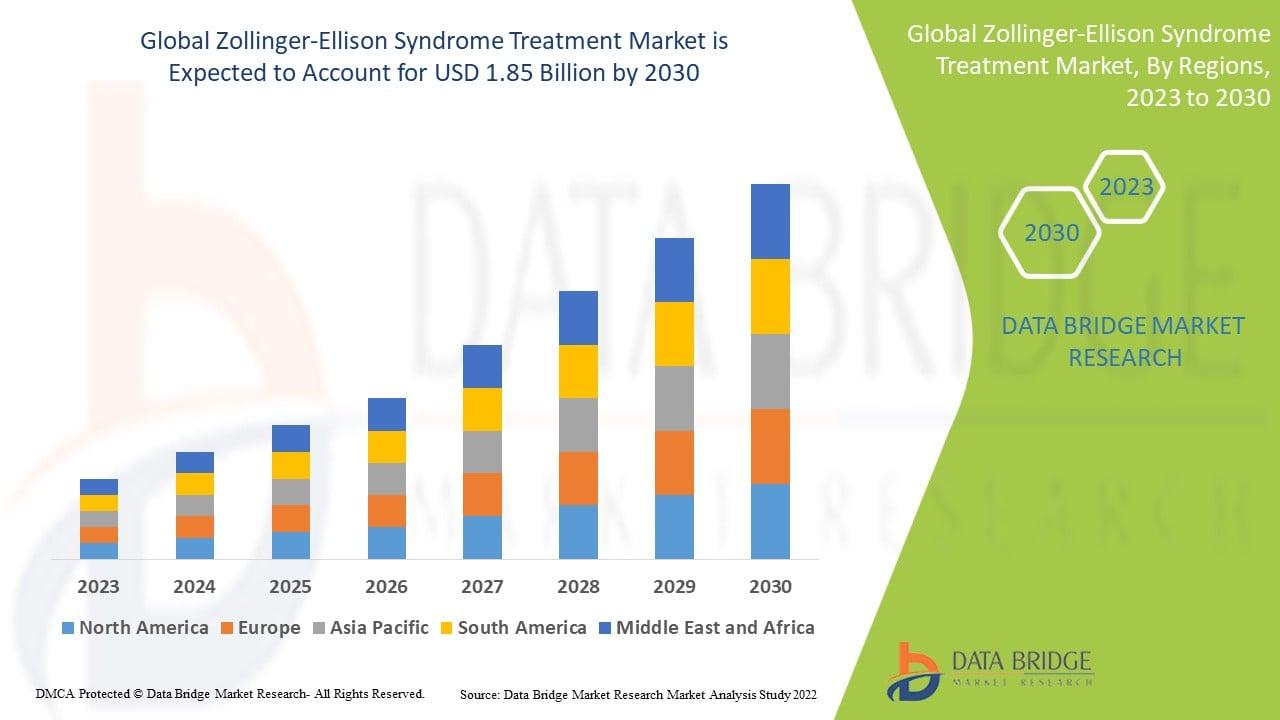
" Zollinger-Ellison Syndrome Treatment Market Summary: According to the latest report published by Data Bridge Market Research, the Zollinger-Ellison Syndrome Treatment Market Data Bridge Market Research analyses a growth rate in the zollinger-ellison syndrome treatment market in the forecast period 2023-2030. The expected CAGR of zollinger-ellison syndrome treatment market is...
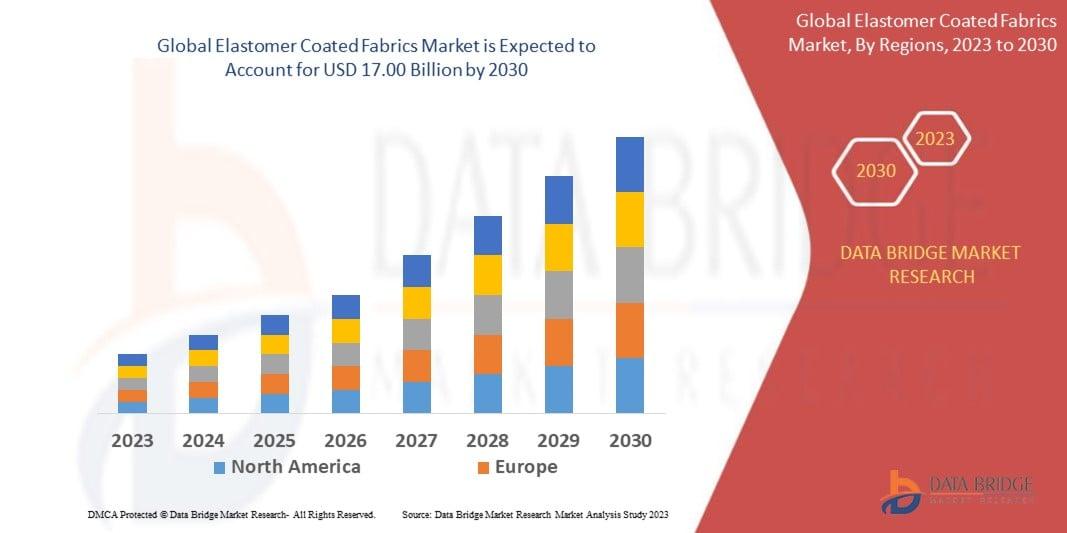
" According to the latest report published by Data Bridge Market Research, the Elastomer Coated Fabrics Market CAGR Value Data Bridge Market Research analyses that the global elastomer coated fabrics market which was USD 11.37 billion in 2022, is expected to reach USD 17.00 billion by 2030, growing at a CAGR of 5.3% during the forecast period of 2023 to 2030 The large scale Elastomer...
Schools in Nagercoil: A Parent’s Guide to Choosing the Right School Finding the right Schools in Nagercoil can be an important step in building a strong educational foundation for your child. Parents today look beyond academic results when choosing a school. They also consider teaching quality, curriculum, campus facilities, safety, extracurricular activities, transportation,...

Heavyweight feels tough, particularly if eating right and moving more fail to shift the numbers. Some people find it hard to stick with good routines, handle hidden health issues, or stay consistent over time. That gap? It opens space for help from a doctor-led weight program. Tailored plans show up instead of one-size-fits-all fixes - backed by science, built to last, rooted in real daily...

Introduzione Con l'aumento dei prezzi dell'energia e l'ansia per il clima, il mercato dei raffrescatori evaporativi portatili sta suscitando nuovo interesse come alternativa economica ed ecologica ai tradizionali sistemi di condizionamento. Mentre il raffreddamento basato sulla refrigerazione si basa sull'evaporazione dei refrigeranti, i raffrescatori evaporativi sfruttano l'evaporazione...