How to Register a Food Company in India: A Smart Expansion Blueprint for UK & European Brands

India’s food sector is no longer just a local marketplace—it’s a global opportunity. With rising demand for international cuisines, healthier food options, and premium dining experiences, India is attracting entrepreneurs from across the UK and Europe.
If you’re exploring how to register a food company in India, this guide by Stratrich offers a fresh, business-focused blueprint—combining legal steps with strategic insights to help you enter and grow in this competitive market.
India’s Food Industry: Opportunity Meets Scale
India’s food ecosystem is diverse and rapidly evolving. From street food culture to high-end restaurants and global franchises, the market caters to every segment.
Why UK & European Businesses Are Entering India:
- A growing middle-class population
- Increased demand for international food brands
- Rapid growth of food delivery platforms
- Government policies encouraging foreign investment
However, to succeed, businesses must follow the correct legal framework and understand local market dynamics.
Step 1: Decide Your Business Category
The first step in how to register a food company in India is identifying your specific category. This determines the type of licenses and approvals required.
Common Food Business Types:
- Restaurants and cafés
- Cloud kitchens and delivery-only brands
- Packaged and processed food manufacturing
- Import and distribution of foreign food products
- Organic or health-focused food brands
Each category has slightly different compliance requirements, so clarity at this stage is essential.
Step 2: Choose the Best Business Structure
Foreign investors must select a structure that supports ownership, taxation, and scalability.
Recommended Structures:
Private Limited Company
- Most widely used structure
- Suitable for growth and investment
- Offers limited liability
Wholly Owned Subsidiary
- 100% ownership for foreign companies
- Ideal for expanding established brands
Joint Venture
- Collaboration with a local partner
- Helps navigate regional challenges
For most UK and European businesses, a Private Limited Company or Wholly Owned Subsidiary is the most practical option.
Step 3: Complete Company Registration in India
To legally establish your business, you must register it with the Ministry of Corporate Affairs (MCA).
Key Requirements:
- Digital Signature Certificate (DSC)
- Director Identification Number (DIN)
- Unique company name approval
- Submission of incorporation documents
After approval, you receive a Certificate of Incorporation, which legally recognises your business in India.
Step 4: Obtain FSSAI Approval
When learning how to register a food company in India, securing an FSSAI license is one of the most critical steps.
What is FSSAI?
The Food Safety and Standards Authority of India regulates food safety and ensures that all food businesses meet hygiene and quality standards.
Types of Licenses:
- Basic License – For small operators
- State License – For mid-level businesses
- Central License – For large-scale or international operations
Without this license, your food business cannot legally operate in India.
Step 5: Register for GST
GST (Goods and Services Tax) is India’s unified tax system and applies to most food businesses.
You Must Register If:
- Your turnover exceeds the threshold
- You sell across multiple states
- You operate through online platforms
GST registration ensures smooth tax compliance and allows you to claim input tax credits.
Step 6: Comply with Import Regulations (If Applicable)
If your food business involves importing products into India, you’ll need:
- Import Export Code (IEC)
- FSSAI clearance for imported goods
- Proper product labelling as per Indian regulations
Labelling must include ingredients, nutritional values, and expiry dates in accordance with Indian laws.
Step 7: Secure Local Licenses
In addition to national-level approvals, local licenses are required based on your location.
These May Include:
- Trade License from municipal authorities
- Shop and Establishment Registration
- Fire safety clearance
- Health department approvals
Local compliance ensures your operations run smoothly without interruptions.
Step 8: Build a Strong Operational Setup
After completing the registration process, focus shifts to operations.
Key Steps:
- Setting up kitchen or manufacturing units
- Hiring skilled staff
- Establishing supplier networks
- Implementing food safety protocols
Operational efficiency is critical in maintaining quality and profitability.
Step 9: Adapt to the Indian Market
Understanding consumer preferences is vital for success.
Localisation Tips:
- Offer vegetarian and vegan options
- Adjust flavours to regional tastes
- Provide value-based pricing
- Use local ingredients where possible
India is a diverse market, and adapting to regional differences can significantly boost your brand’s success.
Step 10: Maintain Compliance and Scale
Knowing how to register a food company in India is just the beginning. Long-term success depends on maintaining compliance.
Ongoing Requirements:
- Annual filings with authorities
- GST returns
- FSSAI license renewal
- Regular hygiene and safety checks
Consistent compliance builds trust and ensures uninterrupted operations.
Key Challenges for International Businesses
While India offers immense opportunities, businesses must be prepared for:
Regulatory Complexity
Multiple approvals and legal requirements can be time-consuming.
Market Competition
The food industry is highly competitive, with both local and international players.
Cost Management
Balancing quality and affordability is essential in price-sensitive markets.
Cultural Diversity
Food preferences vary significantly across regions.
How Stratrich Simplifies the Process
Stratrich helps UK and European businesses navigate every stage of entering the Indian food market.
Our Core Services:
- Company registration and structuring
- FSSAI licensing support
- GST and tax advisory
- Market entry and expansion planning
- Ongoing compliance management
We ensure that your business is not only registered correctly but also positioned for long-term growth.
Final Conclusion
Understanding how to register a food company in India requires a combination of legal knowledge, strategic planning, and local market insight. From company incorporation to FSSAI licensing and operational setup, each step plays a crucial role in your success.
For UK and European entrepreneurs, India represents a powerful growth opportunity. With the right approach and expert support from Stratrich, you can confidently enter this vibrant market and build a successful food business.
Categorieën
Read More
Discover what a feeler gauge is, its types, common uses, and how it ensures precise gap and clearance measurement. What Is a Feeler Gauge? A feeler gauge is a precision measuring tool used to measure small gaps, clearances, or tolerances between tw o components. It consists of a set of thin metal blades (also called leaves), each with a specific...

The United States represents the largest share of the pigmented lesion treatment industry, driven by a high prevalence of skin pigmentation disorders, strong consumer awareness regarding aesthetic dermatology, and widespread adoption of advanced cosmetic procedures. The country benefits from a well-established healthcare infrastructure, a large network of dermatology clinics, and continuous...

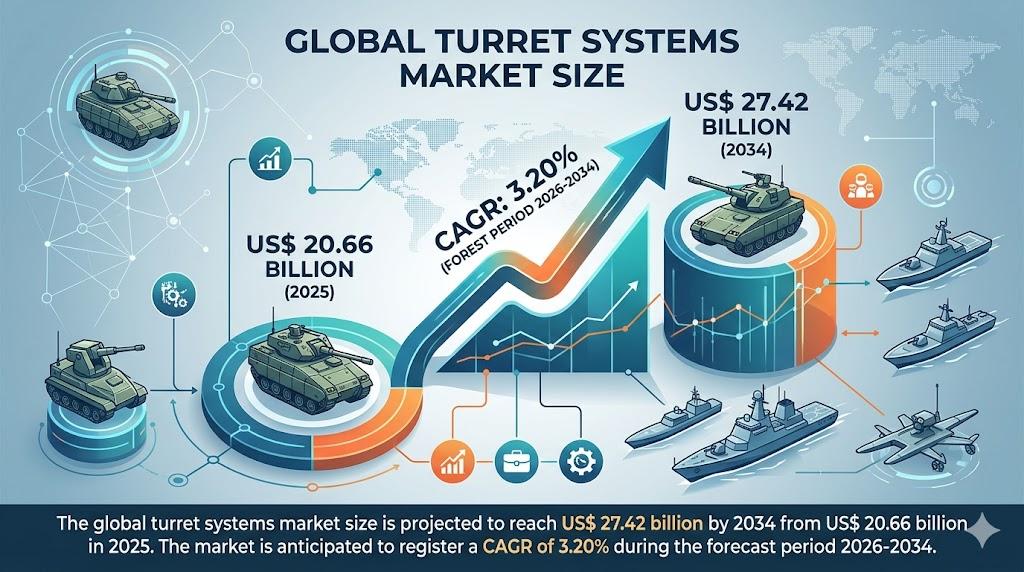
The turret systems market is a significant segment within the global defense and aerospace industry, focusing on advanced weapon station technologies used across land, naval, and airborne platforms. According to The Insight Partners, the market is witnessing steady development driven by increasing defense modernization programs, rising geopolitical tensions, and...
"Latest Insights on Executive Summary Vital Wheat Gluten Market Share and Size The global vital wheat gluten market size was valued at USD 260.24 Billion in 2024 and is projected to reach USD 3.15 Billion by 2032, with a CAGR of 4.00 % during the forecast period of 2025 to 2032. The market insights gained through this keyword market research analysis report facilitate a more...
The Internet of Things (IoT) in Retail Market is transforming the retail landscape by enabling real-time data collection, automation, and enhanced customer experiences. Retailers are increasingly adopting IoT technologies to optimize operations, improve inventory management, and deliver personalized services. As digital transformation accelerates, the global IoT retail market is...