How Does the Condition Affect Pawn Estate Jewelry Prices?
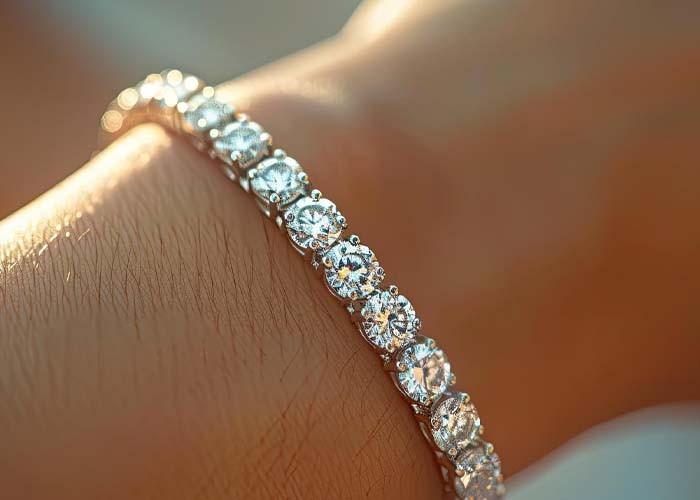
Condition plays a big role in how much a pawn shop may offer for estate jewelry. If a piece looks clean, works well, and has no missing parts, it usually gets a better price. If it has broken clasps, loose stones, dents, or heavy scratches, the offer may go down. This guide explains how condition affects value, what pawn shops check, and how sellers can prepare before bringing in jewelry.
When people bring in pawn estate jewelry, shops do not only look at age or beauty. They also check if the item is damaged, repaired, or hard to resell. A strong piece in good shape is usually easier to price and sell, so condition matters a lot from the start.
Table of Contents
● What condition mean in estate jewelry
● Why condition change the price
● Common problems that lower the value
● What pawn shops usually inspect
● Tips before selling
● Key Takeaway
● FAQs
What Does Condition Mean in Estate Jewelry
Condition means the overall shape and quality of the jewelry. It includes how the piece looks and how well it works. Estate jewelry may be old, but it should still be wearable and attractive.
A ring with strong prongs, a necklace with a working clasp, and earrings with matching backs will usually seem more valuable than damaged items. Even small details can affect the price.
Why Condition Changes the Price
Pawn shops think about resale value. That means they ask one main question: can this item be sold easily?
If the answer is yes, the price may be better. If the piece needs cleaning, repair, or stone replacement, the shop may offer less money. They have to think about the cost of fixing it and the time it may take to sell.
Condition also builds trust. Clean jewelry looks cared for. Damaged jewelry may make a buyer worry about hidden problems.
Common Problems That Lower Value
Here are some condition issues that can reduce the offer:
● Missing stones
● Loose stones
● Broken clasps
● Bent settings
● Deep scratches
● Heavy tarnish
● Poor repair work
These problems do not always make jewelry worthless. But they often lower the amount a pawn shop is willing to pay.
After looking at wear and damage, many buyers also compare similar items in their store or local market. This is also true for Pawn Diamond Jewelry, where loose settings or chipped stones can hurt the final value more than sellers expect.
What Pawn Shops Usually Inspect
Pawn shops often check:
● Metal type and purity
● Stone condition
● Signs of repair
● Overall appearance
● Wear and tear
● Style and resale demand
A beautiful old bracelet may still get a good offer if it is complete and wearable. But if it is badly damaged, the shop may value it closer to scrap.
Tips Before Selling
Before you bring jewelry to a pawn shop, take a few simple steps:
● Clean it gently
● Bring matching pieces
● Keep receipts if you have them
● Do not try unsafe home repairs
● Be honest about damage
These steps help the buyer see the piece clearly and may support a fairer offer.
About 100 words later, it is important to remember that Pawn Estate Jewelry can still have strong value even if it is old. Age is not the problem. Serious damage is usually the bigger issue.
Important Note
Condition affects pawn estate jewelry prices because it changes resale value, repair cost, and buyer confidence. Jewelry in better shape usually gets stronger offers, while damaged pieces often bring lower prices.
FAQs
1. Why does condition matter in estate jewelry pricing?
Condition matters because it affects appearance, safety, and resale value. Clean, working jewelry is easier to sell. Damaged pieces often need repairs, so pawn shops usually offer less money.
2. Do scratches lower jewelry value a lot?
Light scratches may not hurt value much, especially on older items. Deep scratches can lower the price because they affect the appearance and may make the piece harder to resell.
3. Will cleaning jewelry before pawning help?
Yes, gentle cleaning can help the piece look better. It may not raise value a lot, but it creates a stronger first impression during the review process.
4. What damage lowers the price most?
Missing stones, broken clasps, chipped gems, and weak settings often lower the value the most. These problems cost money to fix and make the item less attractive.
5. How is Pawn Diamond Jewelry checked for condition?
Buyers check if stones are loose, chipped, cloudy, or damaged. They also inspect the setting, sparkle, and overall wear to decide how much the item may be worth.
الأقسام
إقرأ المزيد
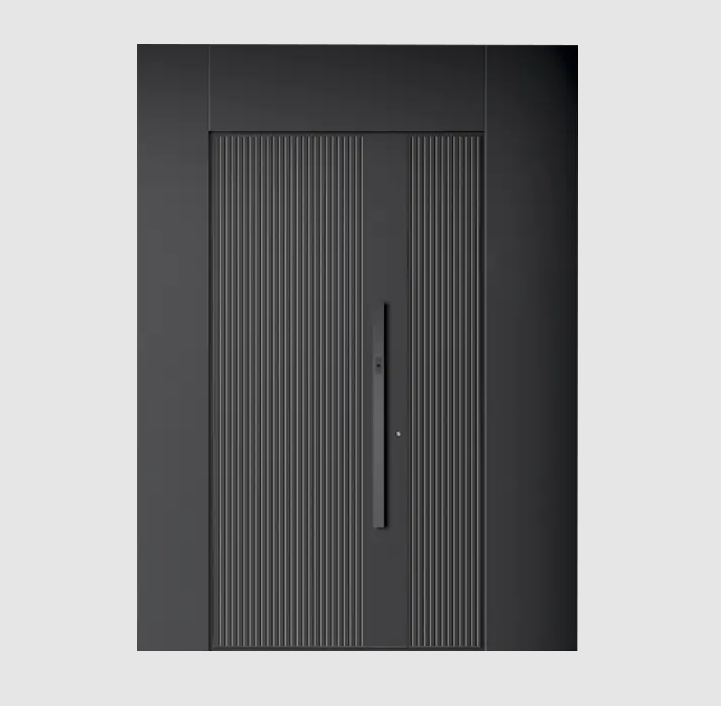
Fireproof Door offers vital protection in residential, commercial, and industrial environments. Reinforced materials, insulated cores, and fire-resistant coatings prevent flames from spreading while allowing smooth operation. Reliable construction ensures doors remain functional over years of use, combining safety, durability, and usability. Material selection directly impacts performance....
In today’s digital world, mobile applications have become an important part of everyday online activity. Users expect apps to be fast, responsive, and simple to navigate without unnecessary complications. A slow or confusing app can quickly reduce user interest, no matter how many features it offers. This is why platforms that focus on performance and usability continue gaining popularity...

In recent years, Botox in Riyadh has become one of the most popular non-surgical cosmetic treatments for people who want to look refreshed, youthful, and confident. With changing lifestyles and growing awareness of aesthetic self-care, Botox is now widely chosen by both men and women who prefer effective results without surgery or long recovery times. This blog will help you...

SEO Digital Marketing: The Complete Strategy for Sustainable Online Growth SEO and digital marketing are not separate disciplines — they are inseparable. The most successful digital marketing strategies are built on an SEO foundation. Without search visibility, your content goes unread, your brand goes undiscovered, and your competitors capture the customers you should be winning. This...

Dealing with unexpected adult breakouts can ruin your morning confidence and leave you feeling completely hopeless. Many people waste hundreds of dollars on highly advertised facial cleansers and spot treatments that promise overnight miracles. However, adult skin irritation is highly complex and rarely responds to basic over the counter wash routines. The true cause of your persistent skin...