Texas Speeding Ticket Cost 2026: What You Really Need to Know

Getting pulled over in the Lone Star State is a frustrating experience, but the real headache starts when you see the bill. In 2026, a speeding ticket in Texas is much more than just a simple fine—it’s a combination of fees that can easily wreck your monthly budget.
Here is a simple breakdown of what a ticket actually costs and how you can protect your wallet.
1. The Anatomy of the Bill (It’s Not Just a Fine)
When you look at your ticket, the total price is usually made up of three parts:
-
The Base Fine: The penalty for the actual act of speeding (set by the city or county).
-
Court Costs: Mandatory fees that cover courthouse operations. In 2026, these range from $134 to $160.
-
State Fees: Small extra charges that go toward state funds like Crime Stoppers or Emergency Services.
The Trap: A "small" $50 fine often balloons into a $220+ total payment once court costs are added.
2. 2026 Fine Estimates: How Much Will You Pay?
Texas uses a tiered system. The faster you go, the higher the price per mile. Here are the general estimates for standard roads:
| Speed Over Limit | Estimated Total Cost |
| 1 - 5 MPH Over | $165 – $180 |
| 6 - 10 MPH Over | $195 – $225 |
| 11 - 15 MPH Over | $240 – $260 |
| 16 - 24 MPH Over | $280 – $350 |
| 25+ MPH Over | $500 (Maximum) |
3. High-Penalty Zones (Double the Cost)
There are two places in Texas where speeding is extremely expensive:
-
Construction Zones: If workers are present, your base fine is automatically doubled. You could easily face a $500+ bill.
-
School Zones: Because of the risk to children, these carry extra safety surcharges, making even a minor ticket cost over $300.
4. The "Hidden" Cost: Insurance Spikes
The ticket price is only half the battle. Once a speeding conviction hits your record, your auto insurance company will likely label you "high-risk."
-
20-25% Increase: On average, a single ticket raises your premiums by hundreds of dollars per year.
-
The 3-Year Rule: Since tickets stay on your rating for three years, a single $230 ticket could actually cost you over $1,500 in total insurance increases.
5. How to Lower the Cost (Your Best Options)
Don't just "pay the fine." Paying the fine is a formal admission of guilt that ruins your driving record. Instead, look into these two options:
A. Defensive Driving (Most Popular)
You pay a small administrative fee (around $144) instead of the full fine and take a 6-hour online safety course.
-
The Benefit: The ticket is dismissed, it never hits your insurance, and your record stays clean.
B. Deferred Disposition (Probation)
You pay the court a fee and agree not to get another ticket for 60 to 90 days.
-
The Benefit: If you stay out of trouble during that time, the ticket is removed from your record without having to take a class.
Final Thoughts
In 2026, the best way to handle a Texas speeding ticket is to act fast. You usually only have 10 to 20 days to respond to the court. By choosing a dismissal option like Defensive Driving, you can save thousands of dollars in the long run.
Drive safe, watch the signs, and keep your hard-earned money in your pocket!
Categorias
Leia Mais
68VIP is designed to make online entertainment simple and enjoyable for everyone. From your very first visit, you can quickly get familiar with the platform. Its easy-to-understand layout ensures that even beginners feel confident navigating through games and features. No complicated steps, no confusion—just smooth, stress-free entertainment. Stable System for Seamless GameplayOne of the...

Genetic markers are one of the most important discoveries in modern biology and genetics. They play a significant role in identifying differences in DNA sequences and help scientists understand how traits, diseases, and inherited characteristics are passed from one generation to another. In simple terms, genetic markers are specific sequences in DNA that can be used to identify individuals,...

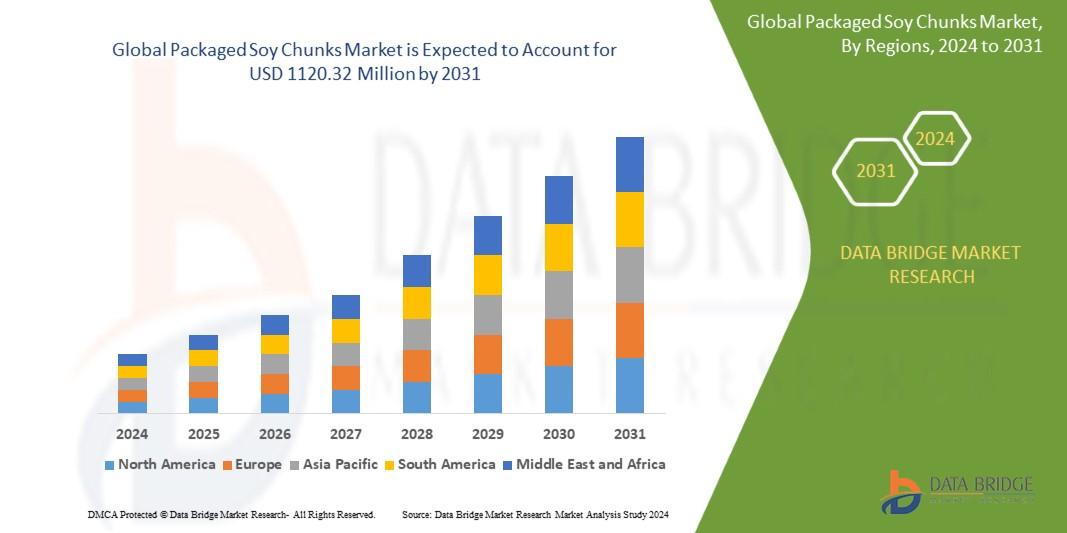
"Executive Summary Packaged Soy Chunks Market Size and Share Forecast CAGR Value Global packaged soy chunks market size was valued at USD 730 million in 2023 and is projected to reach USD 1120.32 million by 2031, with a CAGR of 5.5% during the forecast period of 2024 to 2031. Packaged Soy Chunks Market business report is a well-generated market report which helps achieve...
urgaon has become one of the most attractive cities for luxury real estate in India. The city continues to grow with better infrastructure, modern business hubs, premium retail destinations, and improved road connectivity. Because of these developments, many homebuyers and investors are now focusing on upscale residential communities that provide comfort, convenience, and long-term value. Among...

The haunting world of 'All The Sinners Bleed' will soon pulse with a score from a master. Hans Zimmer and his collective, Bleeding Fingers Music, are set to provide the sonic landscape for the Netflix adaptation of S.A. Cosby's novel. ' This series delves into profound moral conflicts, and music has a powerful voice in such spaces," Zimmer remarked on the project's thematic depth. Showrunner...