Hydrogen Energy System: Powering the Future of Clean Energy

As the world moves toward sustainable solutions, the Hydrogen Energy System is emerging as a key player in the global energy transition. With increasing concerns about climate change and carbon emissions, industries and governments are investing heavily in cleaner alternatives. Hydrogen energy offers a reliable, efficient, and environmentally friendly solution that can transform how we produce and consume energy.
What is a Hydrogen Energy System?
A Hydrogen Energy System refers to the production, storage, and utilization of hydrogen as a clean energy source. It typically involves generating hydrogen through processes such as electrolysis, storing it safely, and converting it into electricity using fuel cells. Unlike fossil fuels, hydrogen produces only water as a byproduct, making it a zero-emission energy carrier.
This system can be integrated into various sectors, including transportation, manufacturing, and power generation. Its flexibility and scalability make it a promising alternative for reducing reliance on traditional energy sources.
Benefits of Hydrogen Energy Systems
One of the biggest advantages of a Hydrogen Energy System is its environmental impact. Since it produces no harmful emissions, it plays a crucial role in reducing greenhouse gases and improving air quality. This makes it an ideal solution for countries aiming to meet their climate goals.
Another major benefit is energy efficiency. Hydrogen can store energy for long periods and be transported over long distances without significant losses. This makes it highly suitable for balancing renewable energy sources like solar and wind, which are often intermittent.
In addition, hydrogen energy systems support energy independence. By producing hydrogen locally, countries can reduce their dependence on imported fuels and enhance their energy security.
Applications of Hydrogen Power System
The Hydrogen Power System is already being used in several industries. In transportation, hydrogen-powered vehicles are gaining popularity due to their long range and quick refueling capabilities. In industrial sectors, hydrogen is used for refining, chemical production, and steel manufacturing.
Moreover, hydrogen plays a vital role in power generation. It can be used in fuel cells to produce electricity for homes, businesses, and even entire communities. As technology advances, the applications of hydrogen energy continue to expand, making it a versatile solution for future energy needs.
Challenges and Future Outlook
Despite its many advantages, the Hydrogen Propulsion System faces some challenges. High production costs, limited infrastructure, and storage complexities are some of the barriers to widespread adoption. However, ongoing research and technological advancements are addressing these issues, making hydrogen more accessible and cost-effective.
Looking ahead, the future of hydrogen energy is promising. Governments and private companies are investing in infrastructure, innovation, and policy development to support its growth. As these efforts continue, hydrogen is expected to become a cornerstone of the global clean energy landscape.
Conclusion
The Hydrogen Propulsion System represents a powerful solution for achieving a sustainable and low-carbon future. With its ability to reduce emissions, enhance energy efficiency, and support diverse applications, it is set to revolutionize the energy sector. HydraTech Corp is at the forefront of this innovation, developing advanced solutions that make hydrogen propulsion more efficient and reliable. As technology evolves and adoption increases, the Hydrogen Propulsion System will play a critical role in shaping a cleaner and greener world.
Categories
Read More
Executive Summary Cerebral Cavernous Malformation Market Size and Share Analysis Report The global Cerebral Cavernous Malformation market size was valued at USD 415.63 million in 2024 and is expected to reach USD 628.25 million by 2032, at a CAGR of 5.3% during the forecast period. Cerebral Cavernous Malformation Market research report acts as a...

As per analysis, the Europe food processing market size stood at USD 40.95 billion in 2024 and is projected to grow from USD 45.79 billion in 2025 to USD 139.94 billion by 2035, registering a CAGR of 11.8% during the forecast period. The rising consumer preference for healthy and natural foods has accelerated the growth of the clean label food market Europe. Clean label products, which contain...
Nerve discomfort, tingling sensations, burning pain, numbness, and weakness in the hands or feet can make everyday life difficult. Many people struggle with nerve-related problems caused by aging, stress, diabetes, poor circulation, or lifestyle habits. This is where natural nerve support supplements like Nerve Fresh are gaining attention. Nerve Fresh is marketed as an advanced natural...

Cricket is one of the most followed sports in India. Every match attracts millions of fans who enjoy following scores, player performances, and match statistics. As online sports platforms continue to grow, many users search for a reliable online cricket id provider to access various cricket-related services. Choosing the right platform is important because users want a smooth experience, quick...

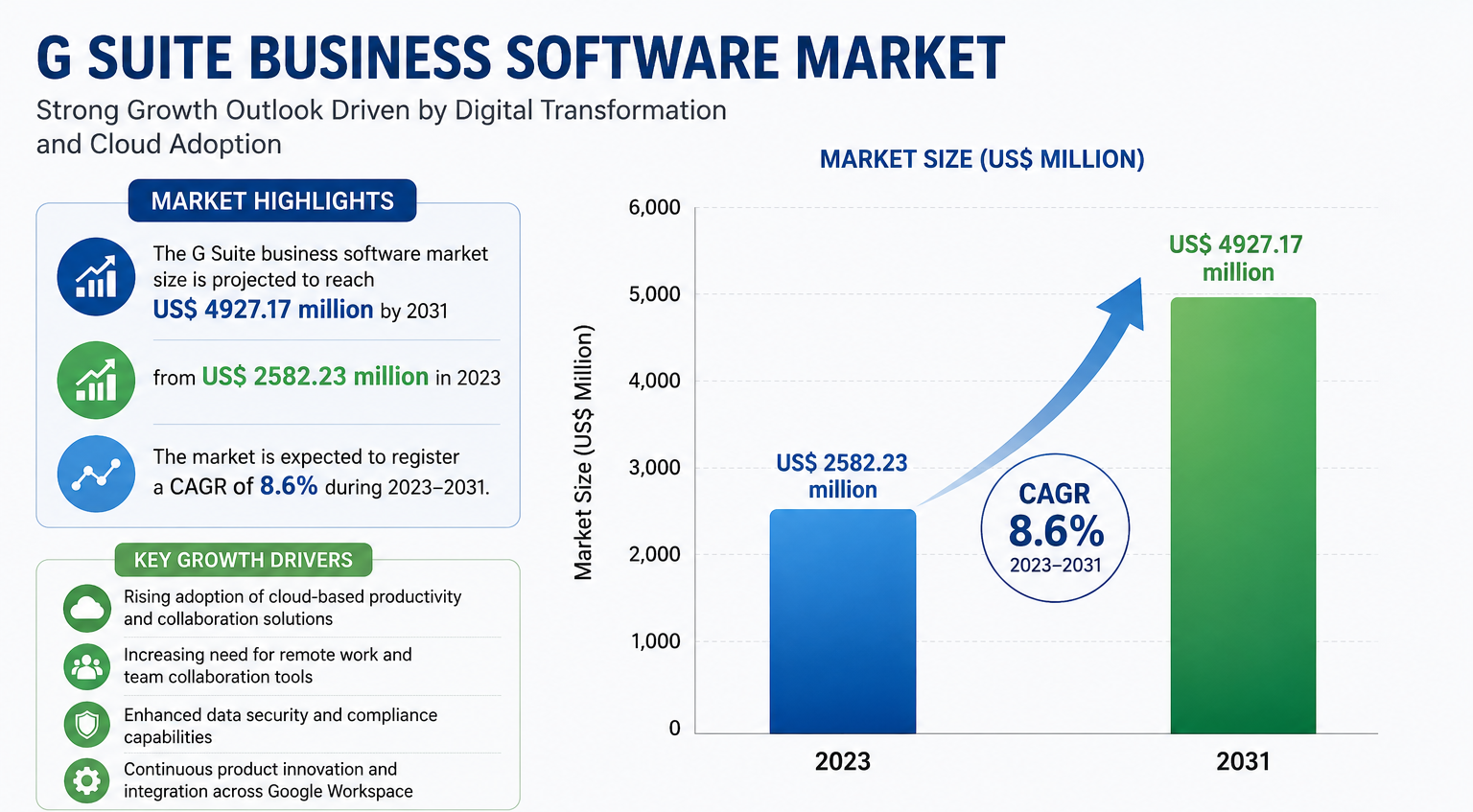
The G Suite Business Software, now widely recognized under the Google Workspace ecosystem, has become an essential platform for organizations seeking cloud-based productivity, collaboration, communication, and document management solutions. According to market estimates, The G Suite Business Software Market was valued at US$ 2,582.23 million in 2023 and is projected to reach US$...