From Data Centers to Highways: The Expanding Role of Fuel Cells in a Net-Zero World
Fuel Cell Technology Is Powering the Clean Energy Revolution Here's Why the World Is Taking Notice
Fuel cell technology is quietly becoming one of the most consequential innovations in the global shift away from fossil fuels. Unlike combustion engines or traditional batteries, fuel cells generate electricity through an electrochemical reaction typically between hydrogen and oxygen producing only water as a byproduct. No exhaust, no particulate matter, no carbon dioxide. As the world intensifies its push toward net-zero emissions, fuel cells are moving from laboratories and niche applications into mainstream energy and transportation infrastructure. The numbers confirm just how rapidly this transition is unfolding.
A Market Gaining Serious Momentum
The global Fuel Cell Market was valued at USD 10.76 billion in 2025 and is expected to reach USD 37.22 billion by 2034, expanding at a compound annual growth rate of 14.8%. That trajectory places it among the fastest-growing segments within the clean energy sector. Key drivers include increasing demand for clean energy, the need for low-carbon emissions, strong government policies and investments, and ongoing technological improvements that continue to enhance efficiency and expand applications.
What makes this growth meaningful is that it is not concentrated in a single industry. Fuel cells are becoming relevant simultaneously across transportation, stationary power generation, data centers, defense, and residential energy a breadth of adoption that signals genuine technological maturity rather than speculative hype.
How Fuel Cells Work Across Industries
At their core, fuel cells are elegantly simple in concept. Hydrogen or in some cases methanol, ammonia, or natural gas is fed into the cell, where it reacts electrochemically to generate electricity, heat, and water. The absence of combustion means there are virtually no moving parts and very little noise, making fuel cells suitable for noise-sensitive environments like hospitals and urban data centers.
The stationary segment held the largest application share of 67.4% in 2024, serving as a backup or primary power source for critical infrastructure including data centers, hospitals, and telecommunications systems. These systems are particularly valued for being quiet and emissions-free strong advantages over diesel generators in cities with tight environmental regulations.
Meanwhile, the transportation sector is where much of the growth excitement lives. Fuel cell electric vehicles offer faster refueling and longer driving range than battery-driven alternatives, making them especially attractive for heavy-duty applications such as buses, trucks, trains, and ships. As hydrogen refueling infrastructure expands and hydrogen costs decline, the commercial case for fuel cells in transport is strengthening every year.
PEM Fuel Cells Lead, Solid Oxide Accelerates
Not all fuel cells are created equal. Different chemistries suit different applications, and the industry is seeing clear segmentation emerge. Proton Exchange Membrane (PEM) fuel cells held the largest type share of 59.1% in 2024, prized for their low operating temperatures, fast startup times, and high power density qualities that make them ideal for vehicles and portable applications.
At the same time, Solid Oxide Fuel Cells (SOFCs) are projected to experience the sharpest growth rate going forward, owing to their high efficiency in stationary and combined heat and power applications, along with their ability to run on diverse fuels including biogas, synthetic natural gas, and hydrogen. SOFCs are increasingly attractive for industrial distributed power generation, where efficiency at scale matters most.
𝐄𝐱𝐩𝐥𝐨𝐫𝐞 𝐓𝐡𝐞 𝐂𝐨𝐦𝐩𝐥𝐞𝐭𝐞 𝐂𝐨𝐦𝐩𝐫𝐞𝐡𝐞𝐧𝐬𝐢𝐯𝐞 𝐑𝐞𝐩𝐨𝐫𝐭 𝐇𝐞𝐫𝐞:
https://www.polarismarketresearch.com/industry-analysis/fuel-cell-market
Government Policy: The Accelerant Behind the Growth
No technology adoption story of this scale happens without government support, and fuel cells are no exception. India's National Green Hydrogen Mission has enabled pilot applications of hydrogen as a transport fuel in buses and trucks, while in the U.S., the Inflation Reduction Act provides tax incentives to increase investment in hydrogen production and distribution. These policy frameworks lower the entry barriers that have historically slowed fuel cell commercialization, particularly around infrastructure development.
Asia Pacific Leads, AI Amplifies
Asia Pacific was the largest regional segment in 2024, driven by aggressive hydrogen strategies, the presence of major original equipment manufacturers, and earlier commercialization of fuel cell vehicles. Japan in particular has been a global leader in hydrogen society development, integrating fuel cells into residential, transportation, and industrial applications for over a decade.
Adding another dimension to the industry's outlook is the growing role of artificial intelligence. AI is being used across the fuel cell industry to optimize electrode designs, manage thermal systems, redistribute power across cell stacks for safety and performance, and enhance hydrogen storage and autonomous driving features in fuel cell vehicles. The convergence of AI and fuel cell engineering is compressing development cycles and unlocking performance improvements that would have taken far longer through conventional methods.
The Road Ahead
In November 2025, Doosan Fuel Cell signed a USD 96.4 billion, 20-year agreement with KEPCO to supply hydrogen-based power one of the largest clean energy supply deals ever announced and a signal of where long-term energy contracts are heading. With continued policy support, declining costs, and broadening applications, fuel cell technology is no longer a future proposition. It is an active, accelerating force in the global energy transition.
More Trending Latest Reports By Polaris Market Research:
Biological Safety Cabinet Market
Categorias
Leia mais
Visiting a Best Dental Clinic in Dubai can be a transformative experience for your oral health, but many people overlook important considerations before scheduling an appointment. A well-informed patient not only maximizes the benefits of their visit but also ensures a smooth and stress-free experience. Whether you are a first-timer or someone returning for routine care, understanding the...

Football betting has evolved far beyond gut feeling and last-minute guesses. Today, smart bettors focus on data, timing, and real-time insights to stay ahead. One of the most effective ways to improve results is by improving Football Live Score Betting Accuracy, especially when using a fast and reliable online gaming platform. That is where Gold365 comes in. With live score updates, smooth...

Homeowners often overlook the importance of maintaining a healthy drainage system until a serious issue appears. Slow drains, unpleasant odors, water backups, and pipe damage can quickly become costly problems if not addressed in time. In busy households, kitchen sinks, bathroom drains, laundry systems, and sewer lines experience daily wear and tear that gradually leads to clogs and...

Ativa o código promocional 1xbet peru de aposta grátis 1xBet: 1XWAP200. Utiliza-o ao criares uma conta e reclama um bônus de boas-vindas exclusivo até 130% em apostas esportivas ou pacote de cassino até €1950 + 150 rodadas grátis (valores equivalentes em moeda local como BRL, AOA ou MZN, dependendo do teu país). A 1xBet oferece...

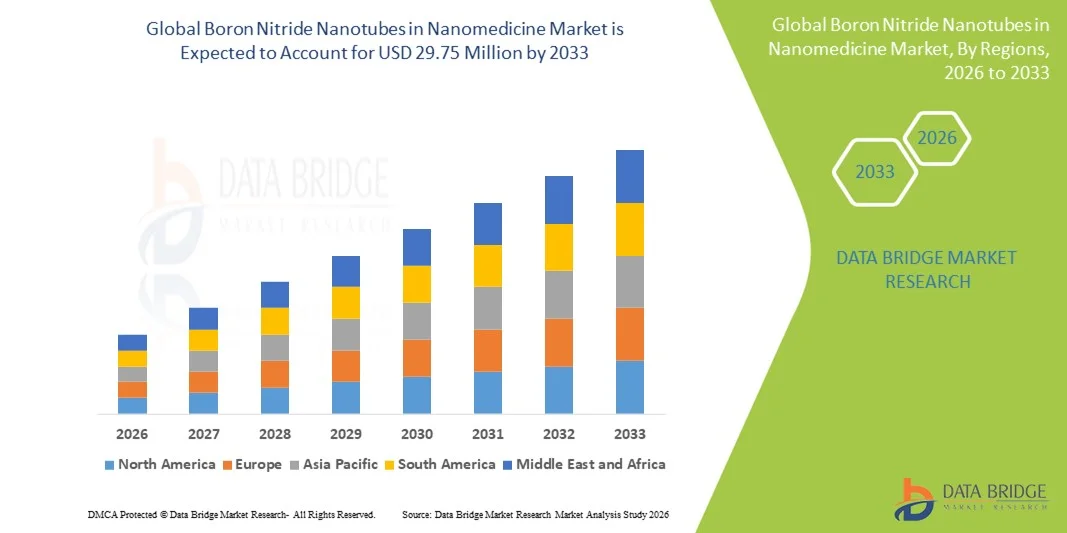
"Boron Nitride Nanotubes in Nanomedicine Market Summary: According to the latest report published by Data Bridge Market Research, the Boron Nitride Nanotubes in Nanomedicine Market The global boron nitride nanotubes in nanomedicine market size was valued at USD 14.50 Million in 2025 and is expected to reach USD 29.75 Million by 2033, at a CAGR of...