


The Art and Science of Designing a House
Introduction
Designing a house is a creative and technical process that combines imagination, planning, and engineering. A well-designed house is not only visually appealing but also comfortable, functional, and suitable for the needs of the people living in it. Good house design takes into account space utilization, safety, ventilation, lighting, and aesthetics.
Understanding Needs and Requirements
The first step in designing a house is understanding the needs of the family. Every household has different requirements depending on the number of members, lifestyle, and budget. For example, a large family may need more bedrooms and bathrooms, while a small family may prefer open and multifunctional spaces. Identifying these needs helps in creating a practical layout.
Choosing the Right Location
Location plays an important role in designing of house. Factors such as climate, surroundings, accessibility to schools, hospitals, and markets should be considered. A well-chosen location ensures convenience and improves the quality of life. Additionally, the direction of sunlight and wind flow can influence the design of rooms and windows.
Planning the Layout
The layout is the foundation of house design. It includes deciding the arrangement of rooms, such as bedrooms, kitchen, living room, and bathrooms. A good layout ensures smooth movement inside the house and proper use of space. Open floor plans are popular as they create a spacious and connected environment.
Structural Design and Safety
Structural design focuses on the strength and stability of the house. Engineers ensure that the foundation, walls, and roof are strong enough to withstand environmental conditions like earthquakes, wind, and rain. Safety features such as fire exits, secure doors, and proper wiring are also essential in modern house design.
Interior and Exterior Design
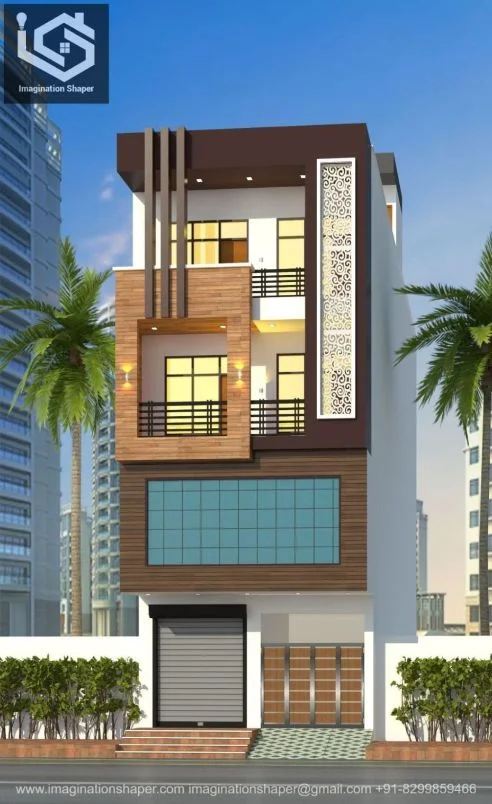
Interior design focuses on the beauty and comfort of the inside of the house. It includes furniture placement, color schemes, lighting, and decoration. Exterior design, on the other hand, deals with the outer appearance of the house, including walls, garden, driveway, and roofing style. Both should complement each other to create a balanced look.
Importance of Ventilation and Lighting
Proper ventilation and natural lighting are essential for a healthy living environment. Large windows, open spaces, and skylights help in improving air circulation and reducing energy consumption. A well-lit house not only saves electricity but also enhances mood and productivity.
Budget Planning
Budget is a key factor in house design. It is important to estimate the cost of materials, labor, and interior decoration before starting construction. Proper budgeting helps avoid unnecessary expenses and ensures that the project is completed without financial stress.
Conclusion
Designing a house requires careful planning, creativity, and attention to detail. A well-designed house provides comfort, safety, and happiness to its residents. By balancing functionality and aesthetics, one can create a home that is both practical and beautiful.
Categories
Read More
[Bangkok, Thailand – October 2025] — For decades, the Maldives has been the ultimate escape a constellation of coral islands scattered across the Indian Ocean where the world’s elite go to disconnect. But now, a quiet evolution is taking place. The same destination once known purely for barefoot luxury and overwater villas is emerging as one of the most desirable frontiers in...

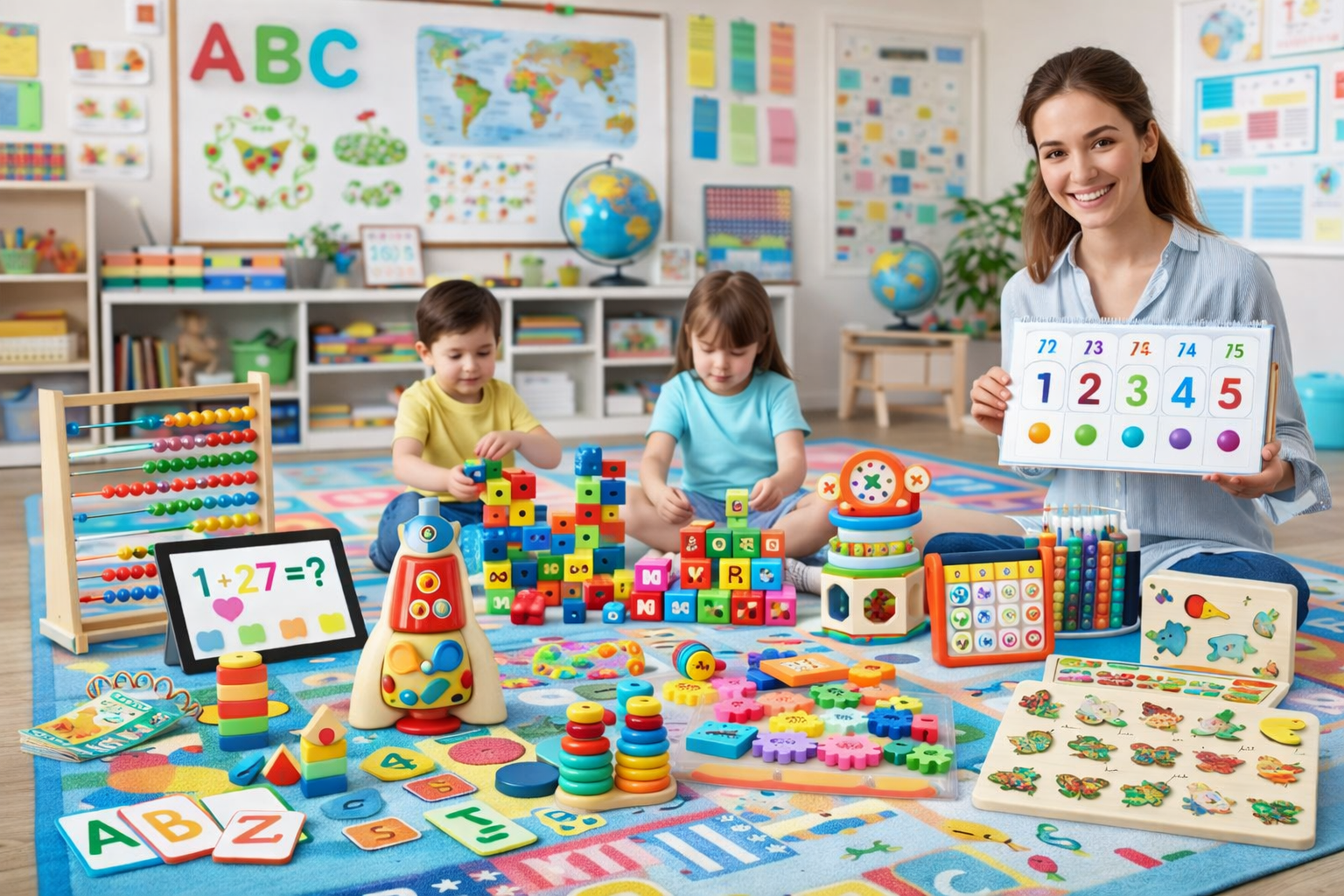
Enhancing Early Childhood Education with Educational Toys and Teacher Learning Materials Early childhood education plays a crucial role in shaping a child’s cognitive, emotional, and social development. The first few years of learning form the foundation for a child’s curiosity, creativity, and ability to understand the world. For educators and parents, providing the right tools...
Introduction In today’s changing economic climate it is a given that what money does is a key life skill to have. Those that have strong financial acumen are better able to manage what comes in, what goes out, and to plan for what is to come. This is the reason that we have seen an increase in the push for Financial Literacy in New Jersey which has become an issue of great importance to...

The market research for the global Plant Based Thickener market is an accumulation of first-hand facts and quantitative and qualitative evaluation and analysis for the forecast period (2024-2032). The report offers a comprehensive assessment of macro-economic indicators, parent market trends, and several factors influencing the market dynamics. In addition, it also assesses the...

The increasing focus on circular economy principles has elevated interest in bio-based polymers with long-term sustainability potential. Cellulose acetate fits well within this framework, offering a renewable material option with strong mechanical and aesthetic qualities. Its ability to replace petroleum-derived plastics in certain applications enhances its market appeal. Industrial...
