


How an STP Plant Works in Modern Wastewater Treatment Systems
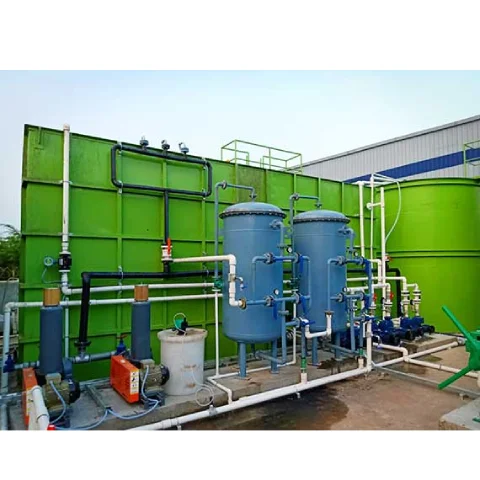
In today’s fast-growing urban and industrial landscape, managing wastewater effectively has become essential. An STP Plant, or Sewage Treatment Plant, plays a critical role in treating used water and making it safe for reuse or discharge into the environment. With increasing environmental awareness and strict regulations, modern wastewater treatment systems have evolved to become more efficient, reliable, and sustainable. Companies like Vikas Pump are contributing to this progress by offering advanced solutions designed for long-term performance and environmental safety.
Understanding the Role of an STP Plant
An STP Plant is designed to remove contaminants from wastewater generated by households, industries, and commercial establishments. The main objective is to treat sewage in a way that reduces pollution and protects natural water sources. In modern wastewater treatment systems, STP plants are built with advanced technology that ensures high efficiency, minimal energy consumption, and consistent output quality.
The treated water from an STP Plant can be reused for irrigation, flushing, cooling systems, and other non-potable applications. This not only conserves water but also supports sustainable development practices.
Primary Treatment Process in STP Plants
The first stage in an STP Plant is the primary treatment process. In this stage, the incoming wastewater is passed through screens to remove large solid materials such as plastics, rags, and debris. This step is important because it prevents damage to the equipment used in later stages.
After screening, the water moves to a sedimentation tank where heavier particles settle down at the bottom as sludge. Oils and lighter substances float on the surface and are removed separately. This process reduces the overall load of contaminants before the water enters the secondary treatment phase.
Modern STP Plant systems developed by companies like Vikas Pump are designed to ensure smooth and efficient primary treatment, reducing maintenance needs and improving operational reliability.
Secondary Treatment and Biological Processes
The secondary treatment stage is the heart of an STP Plant. In this phase, biological processes are used to break down organic matter present in the wastewater. Microorganisms play a key role in this process by consuming organic pollutants and converting them into simpler substances.
Aeration tanks are commonly used in this stage. Air is pumped into the wastewater to support the growth of beneficial bacteria. These bacteria digest organic waste and reduce harmful pollutants significantly. Equipment such as the Vertical Mixed Flow Pump is often used in modern systems to maintain proper water flow and ensure efficient aeration.
The mixture then moves to a secondary clarifier where the biological solids settle down. A portion of this sludge is recycled back into the system to maintain the microbial population, while the excess is removed for further treatment.
Tertiary Treatment and Advanced Filtration
After secondary treatment, the water may still contain fine particles, nutrients, and microorganisms. The tertiary treatment stage is used to further purify the water and make it suitable for reuse or safe discharge.
This stage may include filtration, disinfection, and chemical treatment processes. Sand filters, carbon filters, and membrane systems are commonly used to remove remaining impurities. Disinfection methods such as chlorination or ultraviolet treatment are applied to eliminate harmful pathogens.
Modern STP Plant systems focus on delivering high-quality treated water that meets environmental standards. Solutions provided by Vikas Pump are designed to integrate advanced filtration techniques, ensuring safe and effective wastewater management.
Sludge Treatment and Disposal
During the treatment process, sludge is generated as a by-product. Proper handling and disposal of sludge are essential to maintain the efficiency of the STP Plant and prevent environmental issues.
Sludge is first thickened and then treated using processes such as digestion or dewatering. This reduces its volume and makes it easier to handle. In some cases, treated sludge can be used as fertilizer or for energy generation.
Modern wastewater treatment systems are designed to minimize sludge production and improve its reuse potential. This contributes to a more sustainable and eco-friendly operation.
Importance of Pumps in STP Operations
Pumps are a critical component of any STP Plant. They ensure the smooth movement of water and sludge throughout the treatment process. Efficient pumping systems help maintain consistent flow rates, reduce energy consumption, and improve overall plant performance.
The Vertical Mixed Flow Pump is widely used in modern wastewater treatment systems due to its ability to handle large volumes of water efficiently. It provides reliable performance even under varying load conditions, making it an ideal choice for STP applications.
Vikas Pump offers high-quality pumping solutions that are specifically designed for sewage treatment plants. These pumps are built to handle challenging conditions and ensure uninterrupted operation.
Benefits of Modern STP Plant Systems
Modern STP Plant systems offer several advantages over traditional methods. They are designed to be more compact, energy-efficient, and easy to maintain. Advanced automation features allow operators to monitor and control the entire process with minimal effort.
Another key benefit is the ability to recycle treated water, which helps reduce dependency on freshwater sources. This is especially important in areas facing water scarcity. By using reliable systems from Vikas Pump, industries and residential complexes can achieve better water management and comply with environmental regulations.
Conclusion
An STP Plant is an essential part of modern wastewater treatment systems, ensuring that sewage is treated effectively and safely. From primary screening to advanced tertiary treatment, each stage plays a vital role in maintaining water quality and environmental protection.
With the integration of advanced technologies and efficient equipment like the Vertical Mixed Flow Pump, modern STP plants have become more reliable and sustainable. Companies such as Vikas Pump are leading the way by providing innovative solutions that meet the growing demand for efficient wastewater treatment.
Investing in a well-designed STP Plant not only helps in regulatory compliance but also supports long-term environmental sustainability and resource conservation.
Source Url : https://logcla.com/blogs/1407983/How-an-STP-Plant-Works-in-Modern-Wastewater-Treatment-Systems
الأقسام
إقرأ المزيد
Selecting the optimal path between hiring a comprehensive PR agency or utilizing an automated wire service is a critical decision for modern business leaders. Your choice directly influences corporate media visibility, brand authority, market positioning, and capital allocation across global marketing networks. The fundamental debate centers on whether to invest in bespoke media...

Jenny Mod: The Ultimate Minecraft PE Experience for Adults Minecraft Pocket Edition (PE) has made it possible for millions of players to enjoy Minecraft on their mobile devices, bringing creativity and adventure to the palm of your hand. For those seeking something beyond the traditional gameplay, the Jenny Mod offers a unique, interactive experience designed specifically for adult players....

Email remains one of the most important communication tools for businesses. Every day, organizations send and receive hundreds of emails related to projects, clients, approvals, and internal discussions. However, when emails stay only in personal inboxes, it becomes difficult for teams to access important information or collaborate effectively. This is where SharePoint Outlook Integration...

The global Submetering (Heat/Cool Allocation) Sensor IC Market is witnessing a robust expansion as building owners, utility providers, and smart‑city initiatives increasingly prioritize granular energy accounting and sustainability. The escalating adoption of IoT‑enabled submetering solutions across residential, commercial, and institutional segments is reshaping the way heat and cooling...

Hockey fans, the Stanley Cup Playoffs are officially here. The 2026 version might be as good as ever, with a bracket that feels as wide open as any in recent memory. Sixteen teams have the same quest: to take home Lord Stanley's Cup. Only one will emerge victorious and etch its name into NHL history. The landscape has shifted dramatically this year, as for the first time in a decade, the...