Carbon Fiber Wrapping: Complete Guide to Structural Strengthening and Retrofitting
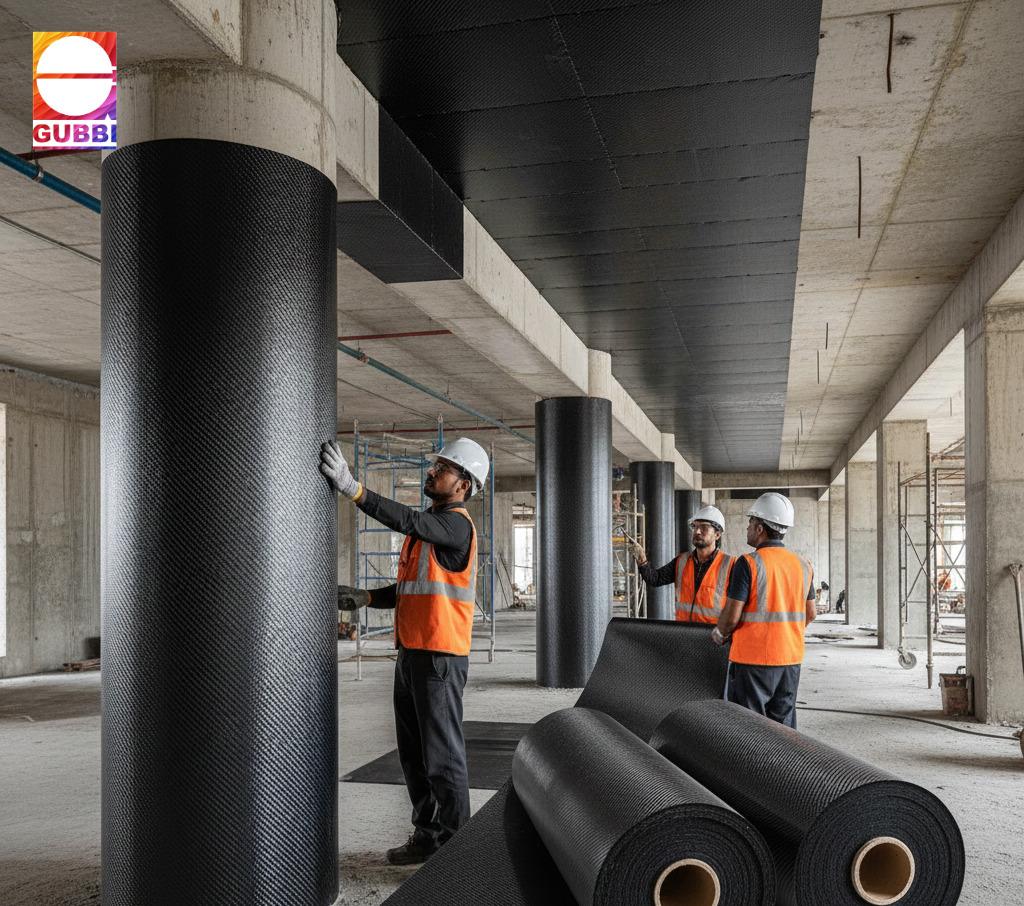
Carbon fiber wrapping is a modern structural strengthening method widely used in construction, repair, and retrofitting projects. It involves applying high-strength carbon fiber sheets or fabrics to concrete, steel, or masonry surfaces using specialized resins. This technique enhances load-bearing capacity, improves durability, and extends the lifespan of structures. It is increasingly preferred due to its lightweight nature and minimal impact on existing designs.
What is Carbon Fiber Wrapping?
Carbon fiber wrapping is a reinforcement process where carbon fiber reinforced polymer sheets are bonded to structural elements. These fibers are known for their exceptional tensile strength and resistance to environmental damage. When applied correctly, they act like an external support system, helping structures withstand additional stress. This method is commonly used in buildings, bridges, columns, beams, and slabs that require strengthening or repair.
How Carbon Fiber Wrapping Works
The process works by transferring loads from the weakened structure to the carbon fiber layer. Once bonded with epoxy resin, the carbon fibers create a strong composite material that enhances structural integrity. The wrapping confines the structural element, preventing cracks from spreading and improving resistance to external forces. This makes it an effective solution for structural rehabilitation and seismic strengthening.
Key Benefits of Carbon Fiber Wrapping
One of the major advantages of carbon fiber wrapping is its high strength-to-weight ratio. It adds minimal weight while significantly increasing structural strength. The installation process is quick and does not require heavy machinery. It is also corrosion-resistant, making it suitable for harsh environments. Additionally, it offers flexibility in application, allowing engineers to reinforce complex shapes and surfaces easily.
Applications in Construction Industry
Carbon fiber wrapping is widely used in construction for strengthening columns, beams, slabs, and walls. It is commonly applied in residential, commercial, and industrial buildings. Engineers prefer this method for retrofitting old structures and improving load capacity without major demolition. It is also used in infrastructure projects such as bridges and flyovers where durability and performance are critical.
Structural Retrofitting with Carbon Fiber
Retrofitting involves upgrading existing structures to meet current safety standards. Carbon fiber wrapping plays a crucial role in this process by reinforcing weak or damaged components. It is especially useful in older buildings that were not designed for modern loads. This method ensures improved performance and safety while preserving the original structure, making it a cost-effective retrofitting solution.
Seismic Strengthening Using Carbon Fiber
In earthquake-prone areas, carbon fiber wrapping is used for seismic strengthening of buildings. It enhances ductility and energy absorption capacity, reducing the risk of structural failure during earthquakes. By wrapping columns and beams, the structure becomes more resistant to lateral forces. This makes carbon fiber reinforcement a reliable choice for improving earthquake resilience in both new and existing structures.
Surface Preparation Process
Proper surface preparation is essential for successful carbon fiber wrapping. The surface must be cleaned, leveled, and free from dust, oil, or loose particles. Any cracks or damaged areas are repaired before application. This ensures strong bonding between the structure and the carbon fiber sheets. Without proper preparation, the effectiveness of the reinforcement can be compromised.
Application Process Step by Step
The application process begins with applying a primer to the prepared surface. Then, epoxy resin is spread evenly, followed by placing the carbon fiber sheets. Additional resin is applied to ensure complete saturation of the fibers. The layers are then pressed to remove air bubbles. After curing, the structure gains enhanced strength and durability, making it ready for use.
Types of Carbon Fiber Materials
There are different types of carbon fiber materials used in wrapping, including unidirectional sheets, bidirectional fabrics, and carbon fiber plates. Each type is selected based on the structural requirements. Unidirectional sheets are commonly used for load-bearing reinforcement, while fabrics are used for complex shapes. Choosing the right material is important for achieving desired performance and durability.
Comparison with Traditional Strengthening Methods
Compared to traditional methods like steel jacketing or concrete enlargement, carbon fiber wrapping offers several advantages. It is less invasive, requires less space, and is quicker to install. Traditional methods often add significant weight and require extensive labor. In contrast, carbon fiber solutions provide efficient strengthening with minimal disruption to existing structures.
Durability and Longevity
Carbon fiber wrapping is known for its long-lasting performance. It is resistant to corrosion, chemicals, and environmental factors such as moisture and temperature variations. This makes it suitable for both indoor and outdoor applications. With proper installation and maintenance, carbon fiber reinforcement can last for decades, ensuring long-term structural stability.
Cost Effectiveness of Carbon Fiber Wrapping
While the initial cost of carbon fiber wrapping may seem higher than traditional methods, it proves cost-effective in the long run. The reduced labor time, minimal maintenance, and extended lifespan contribute to overall savings. It also eliminates the need for heavy structural modifications, making it an economical choice for strengthening and repair projects.
Common Problems Solved by Carbon Fiber Wrapping
Carbon fiber wrapping is used to address various structural issues such as cracks, corrosion damage, and load deficiencies. It helps restore the strength of weakened elements and prevents further deterioration. This method is also effective in improving structural performance after design changes or increased load requirements, ensuring safety and reliability.
Importance of Professional Installation
Professional expertise is essential for effective carbon fiber wrapping. Skilled technicians ensure proper surface preparation, correct application techniques, and appropriate material selection. Improper installation can lead to poor bonding and reduced effectiveness. Hiring experienced professionals ensures that the reinforcement performs as expected and meets safety standards.
Environmental Benefits
Carbon fiber wrapping is considered an environmentally friendly solution. It reduces construction waste by eliminating the need for demolition and reconstruction. The lightweight materials require less transportation energy. Additionally, extending the life of existing structures reduces the demand for new construction materials, contributing to sustainable building practices.
Limitations of Carbon Fiber Wrapping
Despite its advantages, carbon fiber wrapping has certain limitations. It requires skilled labor and proper environmental conditions during application. It may not be suitable for severely damaged structures that need complete reconstruction. Additionally, exposure to high temperatures without protection can affect performance, so fire-resistant coatings are often required.
Maintenance and Inspection
Structures reinforced with carbon fiber wrapping require periodic inspection to ensure long-term performance. Regular checks help identify any signs of damage or delamination. Maintenance is generally minimal compared to traditional methods. Proper care ensures that the reinforcement continues to provide structural support and durability over time.
Future of Carbon Fiber Technology
The use of carbon fiber in construction is expected to grow as technology advances. Innovations in materials and application techniques are making it more efficient and accessible. Engineers are exploring new ways to use carbon fiber for smart infrastructure and advanced structural systems. This trend highlights the increasing importance of carbon fiber in modern construction practices.
Choosing the Right Carbon Fiber Wrapping Service
Selecting the right service provider is crucial for achieving the best results, as the quality of execution directly impacts structural performance and durability. It is important to choose a company with proven experience, technical expertise, and access to high-quality materials, along with the ability to conduct a thorough structural assessment and recommend the most suitable reinforcement solution. For reliable and professional results, Gubbi Civil Engineers Limited stands out as a trusted choice, known for its precision-driven approach, advanced strengthening techniques, and consistent delivery of durable carbon fiber wrapping solutions for both residential and large-scale infrastructure projects.
Carbon fiber wrapping has become a preferred solution for structural strengthening and repair due to its efficiency, durability, and versatility. It offers a modern approach to addressing structural challenges without major disruption. As construction demands continue to evolve, this technique provides a reliable way to enhance safety and performance.
الأقسام
إقرأ المزيد
FUN79 is designed for players who enjoy nonstop excitement and rewarding gameplay. With a vibrant platform and a wide range of casino games, FUN79 delivers a fun-first experience without compromising on quality or performance. From colorful slot games to thrilling table options, FUN79 offers something for every type of player. The interface is simple, fast, and user-friendly, making it...

According to the latest report published by Data Bridge Market Research, the North America Lightweight Metals Market CAGR Value The North America Lightweight Metals Market size was valued at USD 65.22 billion in 2024 and is expected to reach USD 602.59 billion by 2052, at a CAGR of 8.3% during the forecast period The reliable North America...
Regional Overview of Executive Summary Paper and Paperboard Packaging Market by Size and Share Data Bridge Market Research analyses that the paper and paperboard packaging market is expected to reach USD 214,492.80 million by 2030, which was USD 138,707.95 million in 2022, registering a CAGR of 5.60% during the forecast period of 2023 to 2030. This Paper and Paperboard Packaging...
The demand for intelligent systems and data-driven solutions is rapidly increasing, making BSc CS Artificial Intelligence & Data Science one of the most sought-after undergraduate programs today. This course blends computer science with AI and data analytics to prepare students for high-growth careers in the digital economy. Learning platforms like MH Cognition enhance education by...

Introduction The first week on any platform is often the most important. It shapes how users feel, how comfortable they become, and whether they decide to continue using it. On Laser247, this initial phase is closely tied to how beginners perceive their ID and overall access to the platform. For new users, everything is unfamiliar at the beginning. From logging in to exploring different...