


The Digital Concierge: Salesforce Agentforce Development for Travel and Hospitality
The travel and hospitality industry faces a massive shift in guest expectations. Modern travelers want instant answers. They hate waiting on hold. They dislike repeating their requests to different staff members. Traditional chatbots often fail because they lack "reasoning" abilities. They follow rigid scripts and break when a guest asks a complex question.
Salesforce Agentforce Development represents the next phase of this evolution. Unlike old bots, Agentforce uses autonomous agents. These agents do not just talk; they take action. They can book rooms, change flights, or order room service without human help. This explores how Salesforce Agentforce Development Services build these "Digital Concierges" from a technical perspective.
What is Salesforce Agentforce?
Agentforce is an autonomous AI platform. It lives within the Salesforce ecosystem. It uses a "reasoning engine" called Atlas. This engine allows the agent to think before it acts. It analyzes the guest's intent. It checks the available data. Then, it decides which "Action" to trigger.
In a hotel setting, an agent acts as a digital staff member. It handles the boring, repetitive tasks. This lets human workers focus on making guests feel welcome.
Key Stats for Travel and Hospitality
-
80% of travelers expect a personalized experience from booking to checkout.
-
65% of guests prefer using a digital tool for simple requests like fresh towels.
-
Hotels using autonomous agents see a 30% drop in call center volume.
-
AI-driven recommendations increase "ancillary" revenue (like spa visits) by 15%.
Technical Architecture of an Autonomous Agent
Building an agent requires more than just writing a prompt. It requires a structured technical approach.
1. The Atlas Reasoning Engine
Atlas is the brain of the agent. When a guest sends a message, Atlas evaluates it. It does not look for a keyword match. It looks for "Semantic Meaning."
2. Data Cloud Integration
An agent is only as good as the data it can access. Salesforce Agentforce Development relies on Data Cloud. This tool pulls data from many sources. It looks at the CRM for guest history. It looks at the Property Management System (PMS) for room status. It looks at external flight trackers.
3. Topics and Actions
You organize an agent’s skills into "Topics." A topic might be "Room Bookings." Inside that topic, you define "Actions."
-
Apex Actions: Custom code for complex logic.
-
Flow Actions: Low-code workflows for standard tasks.
-
Prompt Templates: Guidelines for how the agent should speak.
How Agents Handle Travel Complexity
Travel is messy. Flights get canceled. Weather changes. Guests have allergies. A digital concierge must handle these variables.
1. Automated Re-booking Logic
Imagine a guest’s flight is late. A standard bot might give a link to a website. An Agentforce agent goes further.
-
It detects the delay via a flight API.
-
It checks the hotel’s room availability.
-
It sends a text to the guest. "Your flight is late. I have extended your checkout by three hours."
-
It updates the housekeeping schedule in the PMS.
2. Personalizing the Guest Stay
Salesforce Agentforce Development Services enable "Hyper-Personalization." The agent remembers that a guest prefers a quiet room on a high floor. When that guest asks for a new booking, the agent filters for those specific rooms. It does not wait for a human to check the notes.
Building Custom Actions for Hospitality
Customization is where the real value lies. Developers build specific actions to fit a brand's unique needs.
1. Integration with External Systems
Most hotels use legacy systems for keys and billing. Developers use MuleSoft to connect these to Agentforce.
-
Digital Keys: The agent can verify a guest's ID and send a mobile key to their phone.
-
Folio Management: A guest asks, "How much have I spent at the bar?" The agent queries the billing system and gives an itemized list.
2. Handling Multimodal Inputs
Guests interact in different ways. Some use WhatsApp. Others use the hotel app. Some prefer voice. Salesforce Agentforce Development supports these all. The agent maintains the "Context" across channels. A guest can start a chat on the website and finish it via SMS.
Security and Trust in AI
The travel industry handles sensitive data. This includes passports, credit cards, and travel dates. Salesforce uses a "Trust Layer" to protect this info.
1. Data Masking
Before the AI processes a guest's request, the Trust Layer masks sensitive data. It replaces a credit card number with a placeholder. The AI never actually "sees" the raw private data.
2. Zero Data Retention
Salesforce does not use your guest data to train its general AI models. Your data stays within your secure "Org." This is vital for GDPR and travel industry compliance.
3. Human-in-the-Loop
You can set guardrails. If a guest is angry or has a complex legal issue, the agent detects the "Sentiment." It then transfers the chat to a human manager. It provides the manager with a summary of the conversation. This saves time for the staff member.
The Economics of Agentforce Development
Scaling a human concierge team is expensive. They need training, space, and benefits. An autonomous agent scales instantly.
1. Reducing Cost-to-Serve
Every phone call to the front desk costs money. It takes time away from other tasks. By moving 40% of these calls to an agent, a hotel saves thousands of dollars a month.
2. Driving Revenue
Agents are excellent at "Upselling."
Example: "I see you have a dinner reservation. Would you like to book a car to the restaurant for $50?" Because the agent knows the guest's schedule, the offer feels helpful, not annoying.
Implementation Strategy: Start with the Basics
Don't try to automate the whole hotel on day one. Follow a logical roadmap.
Phase 1: Frequent Inquiries
Automate the "FAQs." Where is the gym? What time is breakfast? These are low-risk and high-reward.
Phase 2: Transactional Tasks
Introduce room service orders or towel requests. These require connections to the back-of-house systems.
Phase 3: Complex Orchestration
Connect the agent to the full travel journey. Handle bookings, cancellations, and loyalty program management.
Arguments for Autonomous Agents
Some leaders worry that AI will make hospitality feel "Cold." This is an old way of thinking.
Argument 1: Consistency
Humans have bad days. They get tired. An AI agent is always polite. It always follows the brand's voice. It never forgets to mention the loyalty program.
Argument 2: 24/7 Availability
Travelers arrive at all hours. A guest checking in at 3:00 AM deserves the same level of service as someone arriving at noon. An agent provides that.
Argument 3: Language Support
A digital concierge speaks every language. It can talk to a Japanese guest in Japanese and a French guest in French. This removes barriers and makes guests feel at home.
Case Study: A Luxury Resort Chain
A luxury resort used Salesforce Agentforce Development Services to fix their spa booking process. Guests were frustrated because the spa phone was always busy.
The Technical Fix
The developers built an agent connected to the spa's scheduling software. Guests could message the resort via their app. They could ask, "What massages are free on Friday afternoon?" The agent would list times, describe the treatments, and book the slot.
The Result
-
Spa bookings increased by 25%.
-
Front desk staff saved 5 hours of phone time per day.
-
Guest satisfaction scores for "Ease of Booking" rose by 40%.
Best Practices for Developers
If you are starting a project with Salesforce Agentforce Development, keep these tips in mind.
-
Define Clear Scopes: Don't let your agent try to be an expert in everything. Give it specific "Topics."
-
Use High-Quality Prompts: The "Instructions" you give the agent matter. Be specific about the tone and limits.
-
Test with Real Data: AI behaves differently with real guest records. Use a "Sandbox" that mirrors your production data.
-
Monitor Performance: Use the Agentforce Analytics dashboard. Look for where the agent gets confused and fix those topics.
The Future: Predictive Hospitality
We are moving toward "Predictive" agents. Soon, the agent won't wait for a guest to ask for something. It will use AI to anticipate needs.
-
Pre-arrival: The agent sees it is raining in the destination. It suggests booking an indoor museum tour before the guest even lands.
-
In-room: The agent notices the mini-bar is low on water. It asks the guest if they want a refill.
-
Post-stay: The agent sends a personalized thank-you note. It includes a discount for the guest's favorite room type.
Conclusion
The era of the script-based chatbot is over. The era of the autonomous "Digital Concierge" has arrived. Salesforce Agentforce Development allows travel brands to provide elite service to every guest.
By using Salesforce Agentforce Development Services, you can build a system that thinks and acts. You can reduce costs and grow revenue. Most importantly, you can give your human staff the time to do what they do best: provide a warm, personal touch.
The technology is here. The data is ready. In 2026, the best travel brands will be the ones that embrace AI autonomy. Don't wait for the competition to move first. Build your digital concierge today and transform the way the world travels. Your guests are ready for a faster, smarter, and more personal stay. Give it to them with Agentforce.
Categorie
Leggi tutto
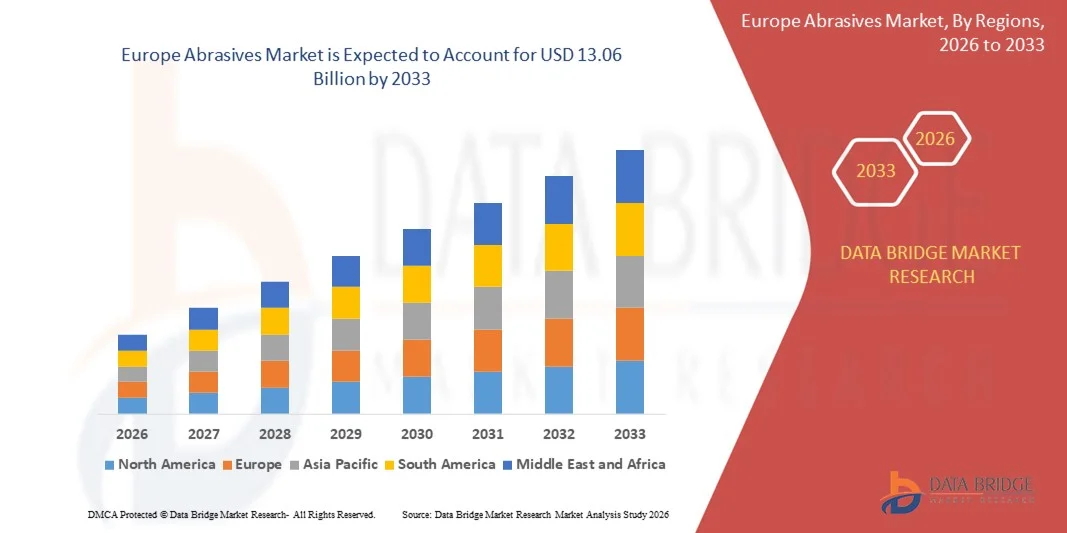
According to the latest report published by Data Bridge Market Research, the Europe Abrasives Market The Europe abrasives market size was valued at USD 8.51 billion in 2025 and is expected to reach USD 13.06 billion by 2033, at a CAGR of 5.50% during the forecast period The market growth is largely fuelled by the rising demand from industries such as...
يسعى الكثيرون للحصول على بشرة مثالية خالية من العيوب، ومع انتشار ثقافة العناية بالبشرة، أصبح التقشير الكيميائي أحد الحلول الأكثر طلباً. ومع ذلك، يقع المستهلك غالباً في حيرة بين استخدام المستحضرات المنزلية الجاهزة أو التوجه إلى المراكز الطبية. إن فهم تكلفة جلسات التقشير الكيميائي والفرق الجوهري بينها وبين المنتجات المنزلية لا يقتصر فقط على الجانب المادي، بل يمتد ليشمل الأمان والنتائج والفاعلية...

According to the latest report published by Data Bridge Market Research, the Asia-Pacific Synthetic and Biodegradable Marine Lubricants Market Asia-Pacific synthetic and biodegradable marine lubricants market is expected to gain significant growth in the forecast period of 2023 to 2030. Data Bridge Market Research analyses that the market is growing with a CAGR of 6.9% in...

The Europe IT spending market encompasses expenditures on hardware, software, IT services, and telecommunications by enterprises, governments, and institutions. Businesses are increasingly prioritizing digital transformation, cloud migration, and cybersecurity, driving IT investments. Cloud computing, AI, and automation technologies are reshaping IT strategies across industries such...

According to the latest report published by Data Bridge Market Research, the 3D Printing Metals Market The global 3D printing metals market size was valued at USD 2.89 billion in 2024 and is expected to reach USD 24.71 billion by 2032, at a CAGR of 30.77% during the forecast period The reliable 3D Printing Metals Market research report includes a thorough analysis of the market...