


Why On Cloud Shoes Actually Live Up to the Hype (No Gimmicks)
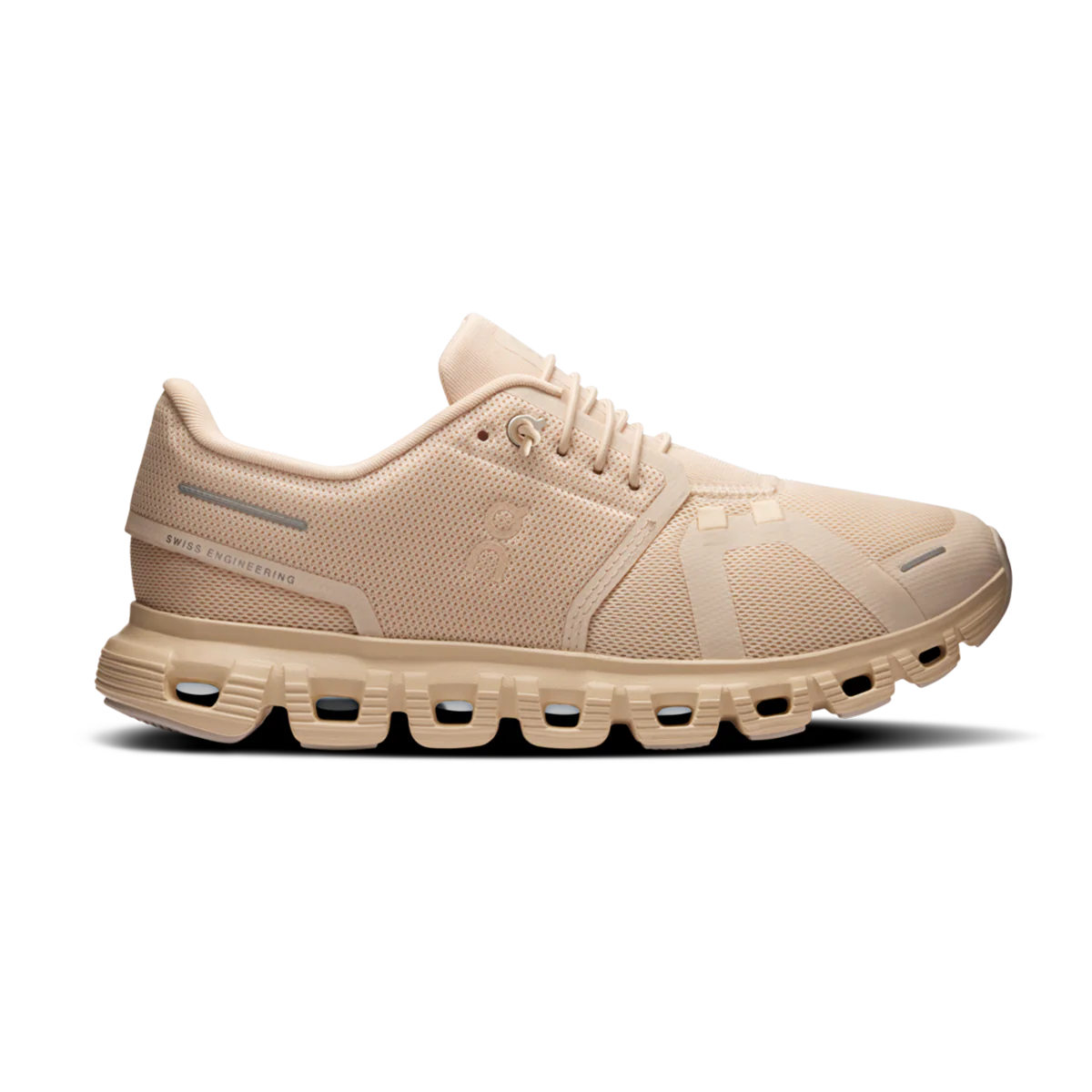
You’ve seen them at the airport. You’ve spotted them on your morning run. You’ve probably even borrowed a friend’s pair for a quick dog walk and thought, “Wait—why does this feel like walking on a marshmallow that still somehow snaps back?”
That’s the magic of on cloud shoes. But unlike most trendy athletic footwear that vanishes after a season, these Swiss-engineered sneakers have built a cult following for a simple reason: they work. And not just for elite marathoners. For nurses, dads pushing strollers, travelers sprinting to gate C17, and anyone whose feet hurt by 3 PM.
Let’s cut through the noise. No marketing fluff. Just what makes on clouds different, where they fall short, and which pair actually fits your life.
So What Exactly Are On Clouds?
At first glance, on cloud shoes look like someone took a normal running shoe and gave it a cheese grater sole. Those hollow tubes—the “clouds”—aren’t just for looks. They compress vertically when you land softly, then lock together horizontally to give you a firm push-off.
Here’s the kicker: most running shoes force you to choose between soft (squishy but dead feeling) or firm (responsive but harsh). On clouds cheat that trade-off. Soft landing. Hard takeoff. That’s the entire engineering philosophy.
The brand officially calls the technology CloudTec®, but regular people just say “those weird hollow soles” before they try them. After one mile? They stop calling them weird and start checking prices online.
The Three Things Nobody Tells You About On Clouds
1. They’re louder than expected.
Yes, that hollow “thwack-thwack” on pavement is real. Some people hate it. Others find it oddly satisfying—like a reliable engine knock telling you the tech is working. If you’re a library-quiet walker, this might bug you. If you run with music, you won’t notice.
2. The break-in period is almost zero.
Unlike stiff Nikes or narrow Adidas, on cloud shoes feel good straight out of the box. No blister boot camp. No “just give them two weeks.” That’s because the clouds are already soft. Your foot doesn’t have to beat the foam into submission.
3. They collect small rocks like a toddler’s pockets.
Those hollow tubes are magnets for pebbles. You’ll be walking proudly, then click-click-click—you’re that person stopping to dig a stone out of your sole. Annoying? Slightly. A dealbreaker? Not for most loyalists. Just avoid gravel trails in the lightweight models.
Which Pair of On Clouds Should You Actually Buy?
This is where most articles get vague. Let’s fix that.
H2: On Cloudswift – The City Killer
If you spend your day on concrete—subway platforms, office lobbies, grocery aisles—the Cloudswift is your answer. It has a wider heel and extra padding around the collar. No ankle rub. No heel slip. It’s built for stop-and-go movement, not just straight-line running.
Best for: Commuters, teachers, retail workers.
Worst for: Trail running or wet grass (the grip is just okay).
H2: On Cloudmonster – For the Big Stride
Don’t let the name fool you. The Cloudmonster isn’t bulky. It’s just… taller. More clouds. More cushion. If you’re a heavier runner (200+ pounds) or someone with cranky knees, this model absorbs shock better than any other in the lineup.
Best for: Recovery runs, long walks, plantar fasciitis sufferers.
Worst for: Speed work or track intervals. It’s a cruiser, not a sprinter.
H2: On Cloud 5 – The Everyday Slip-On
This is the one you see everywhere. The On Cloud 5 ditches traditional laces for a speed-lacing system. Pull them on. Go. They’re also the lightest in the family—barely there on your feet.
But here’s the trade-off: less structure. If you have flat feet or overpronate, the Cloud 5 might feel too loose. Get the “Waterproof” version if you live somewhere rainy. The standard mesh lets in every puddle.
Best for: Travel days, casual errands, gym warm-ups.
Worst for: Long runs or uneven terrain.
What About the “On Clouds” Hype for Running?
Real talk: on clouds are fantastic for midfoot strikers and heel strikers alike. But they’re not for everyone. If you’re a serious racer chasing a sub-20-minute 5K, you might want something more aggressive. The clouds are responsive, not explosive.
Where they shine? The 80% of runners who just want to enjoy their jog without limping the next day. They’re also brilliant for run-commuting—wearing them to work without carrying extra shoes.
I’ve personally put over 400 miles on a pair of Cloudswifts. The soles wear down eventually (around 350–450 miles), but the upper stays intact. Compare that to Hokas, which feel dead after 250. Or Nikes, where the mesh tears early.
The Honest Downsides (Because Nothing’s Perfect)
Let’s not pretend. On cloud have three real problems:
-
Price. Most models run $140–$170. That’s premium territory. You’re paying for Swiss R&D and a distinctive look.
-
Cleaning them is annoying. Those hollow tubes trap mud. You’ll need a stiff brush and patience.
-
They’re not formal. Obviously. But some people try to dress them up with chinos. Don’t. Keep them casual.
That said, if you’ve ever spent $120 on running shoes that hurt after two miles, the extra $40 starts to feel like a bargain.
Final Verdict: Who Should Buy On Cloud Shoes?
Buy on cloud shoes if:
-
You want one pair for walking, running, and travel.
-
Your feet ache in flat sneakers like Vans or Converse.
-
You like shoes that look unique without screaming “look at me.”
Skip them if:
-
You run exclusively on loose gravel (rock collection is real).
-
You need maximum stability for severe overpronation.
-
You’re on a tight budget and already own functional trainers.
On clouds aren’t a miracle. They’re just a very smart solution to a very old problem: how to make shoes that cushion landing and energize takeoff without feeling mushy. The fact that they also look cool? That’s just a bonus.
So next time you see someone breezing through security or finishing a 10K with a weird little grin, check their feet. Chances are, they’re floating on those hollow tubes. And now you know why.
Categorie
Leggi tutto
Thrive Transform San Jose fast-moving world, many people feel overwhelmed by stress, uncertainty, career pressure, and personal challenges. Finding clarity and balance can seem difficult without the right guidance. That is where Thrive Transform San Jose steps in as a trusted name for professional life coaching. Known as a top life coach in San Jose, Thrive Transform San Jose helps individuals...

Polaris Market Research has introduced the latest market research report titled Interposer and Fan-out Wafer Level Packaging Market Share, Size, Trends, Industry Analysis Report, By Packaging Component & Design (Interposer, FOWLP); By Packaging Type; By Device Type; By End-Use Industry; By Region; Segment Forecast, 2024 - 2032 that highlights the major revenue stream for the...

"In-Depth Study on Executive Summary Active Medical Implantable Devices Market Size and Share The global active medical implantable devices market size was valued at USD 17.87 billion in 2024 and is expected to reach USD 34.83 billion by 2032, at a CAGR of 8.70% during the forecast period Trustworthy sources such as websites, journals, mergers, newspapers...
The journey from a product concept to installed tail lights on a vehicle involves numerous stages, yet the timeline for each phase often remains unclear until delays occur. A buyer places an order with expectations of a specific delivery window, only to discover that sampling requires weeks, production consumes additional months, and shipping adds unexpected days. These timeline uncertainties...

1xBet real cash slot machines online have become one of the most popular forms of digital entertainment in the modern gaming world. With advanced technology, immersive graphics, and easy accessibility, players can now enjoy the thrill of classic casino-style slot machines directly from their devices. One of the well-known platforms offering this experience is 1xBet, which provides a wide...