Modern Bathroom Tub to Shower Conversion Guide | 2026 Trends
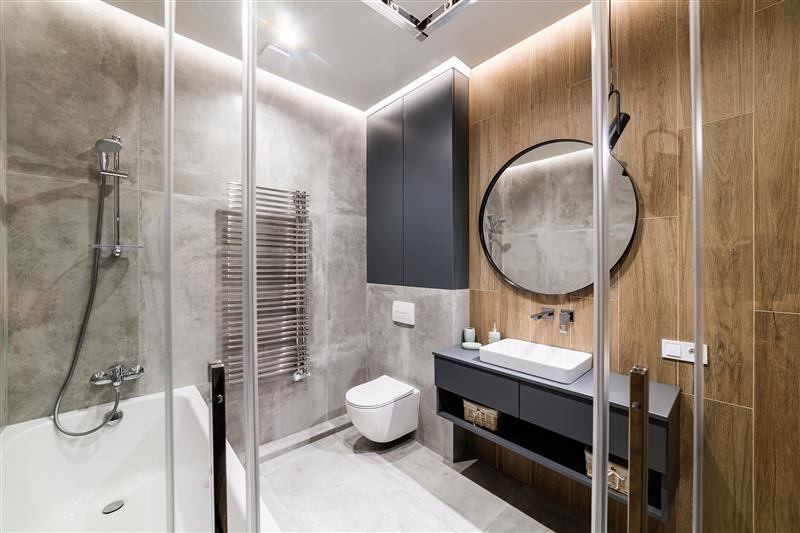
Many homeowners today look at their traditional bathrooms with a fresh perspective. Often, the standard alcove bathtub sits unused for months. It takes up significant floor space. It can also be difficult to climb in and out of as we age. This is exactly why a bathroom tub to shower conversion has become a popular home improvement project in 2026. By removing a bulky tub, you open up the room. You create a modern, accessible environment that fits a fast paced lifestyle. It is not just about changing a fixture. It is about reclaiming your space for better daily use.
When you decide to make the switch, you choose convenience and style. A walk in shower feels much more expansive than a cramped tub. It allows beautiful tile work to become a focal point. Furthermore, these renovations often increase the perceived value of a home. Modern buyers prioritize large, spa like showers over outdated tubs. If you have another bathtub in the house, converting your guest bath is a smart move. It balances modern utility with future resale potential.
Designing Your New Walk In Sanctuary
The design possibilities for a bathroom tub to shower conversion are nearly endless. In 2026, we see a major shift toward curbless entries. This means the shower floor is flush with the bathroom floor. It creates a seamless look perfect for minimalist aesthetics. This design also provides excellent accessibility for everyone. You can pair this with a frameless glass enclosure to keep the room feeling airy. The lack of heavy metal frames makes the bathroom appear much larger.
Material choice is another area where your personality can shine. Many people now move away from standard white subway tiles. Instead, they choose large format porcelain slabs that mimic natural stone. These slabs are beautiful and incredibly easy to maintain. They have fewer grout lines to scrub. You might also consider a teak fold down bench or built in stone seating. These additions turn a simple shower into a place of relaxation. Adding a recessed niche for your luxury soaps keeps the space organized and clutter free.
Technical Insights for a Successful Project
A successful conversion requires more than just a good eye for design. You must address the technical foundation of the space. The most important factor in a bathroom tub to shower conversion is the plumbing. A standard bathtub drain is usually 1.5 inches in diameter. Most modern high flow showers require a 2 inch drain. A professional will ensure your pipes are up to code before the new floor is poured. This prevents slow drainage and potential water damage.
Waterproofing is another critical element that cannot be overlooked. Modern shower systems use advanced membrane technology to seal the area. This is much more effective than the traditional methods used decades ago. You should also think about the placement of your shower head. Many homeowners now opt for dual shower heads or a ceiling rainfall feature. If you have the space, a handheld wand is a practical addition. Ensuring the water pressure is adequate for these new fixtures is a vital step.
Maximizing Value and Practicality
One of the best tips for this project is to plan for the future. Even if you do not have mobility issues now, a walk in shower is a great feature. Installing stylish grab bars that match your hardware is a proactive choice. These bars no longer look like hospital equipment. They are now integrated into the design as sleek towel racks or shelves. By thinking ahead, you save yourself the cost of future modifications. It makes your home much more attractive to a wider range of buyers later.
Actionable insights also include finalizing your material list early. In 2026, lead times for custom glass or specific tile patterns can be long. Having all your components on site before demolition starts ensures a smooth workflow. This prevents your bathroom from being out of commission for too long. Always ask your contractor about humidity sensing exhaust fans. A high performance fan protects your new investment from steam and mold. It keeps your tiles and grout looking brand new for years.
Conclusion
Making the leap to a bathroom tub to shower conversion is an exciting way to modernize your home. You trade a clunky, unused fixture for a sleek and functional space. Whether you want a minimalist wet room or a high tech spa, the results will improve your daily life. A well executed remodel brings a sense of calm to your morning routine. It is an investment in your comfort and your property's future. Do not let another year go by with a bathroom that does not serve your needs.
When you are ready to begin, you need an expert partner. At DayBrook Homes, we specialize in transforming outdated bathrooms into stunning modern retreats. Our team understands the technical nuances of these conversions and the latest design trends. We are committed to providing high quality craftsmanship and clear communication. Visit us to schedule your consultation. Let us help you create the beautiful, accessible shower you have always wanted.
Frequently Asked Questions
How long does a bathroom tub to shower conversion usually take?
Most professional conversions take between five to seven days. This timeline includes the demolition of the old tub and plumbing rough ins. The remaining days go toward tiling, grouting, and installing the glass doors.
What is the average cost of this renovation in 2026?
The cost typically ranges from $6,000 to $15,000 depending on your materials. Simple acrylic wall systems are more affordable. Custom stone work and high end glass enclosures will sit at the higher end of the spectrum.
Does removing a tub hurt my home's resale value?
Generally, it does not as long as the home has one other bathtub. Most modern families prefer a spacious walk in shower in the primary suite. It is considered a luxury upgrade that often helps a home sell faster.
Categorías
Read More
Planning for the future of a loved one with a disability requires thoughtful legal and financial preparation. A properly structured special needs trust can help preserve financial security while protecting eligibility for important government assistance programs. Working with an experienced attorney for special needs trust maryland families rely on can make the process more straightforward and...

In the digital age, your website is more than just an online address — it's the first impression, the salesperson, and the customer service hub for your business. Whether you're a startup or an established brand, having a professional, functional, and visually appealing website is essential. That’s why partnering with the right website development company in Bahrain is a smart and...

Legal Metrology Online Registration, also known as LMPC Registration, is mandatory for all businesses involved in manufacturing, importing, packaging, or selling pre-packaged commodities in India. In 2026, compliance with the Legal Metrology Act, 2009 and Rules is strictly enforced to ensure fair trade, consumer protection, and accurate measurement. For businesses in Noida, expert guidance...

United States of America – February 5, 2026 – The Insight Partners is proud to announce its newest market report, “Paper Diagnostics Market: An In-depth Analysis of the Global Industry.” The report provides a comprehensive overview of the paper diagnostics market, highlighting the current market landscape along with growth estimates during the forecast period from 2025...

Search engines changed a lot during recent years, although authority still decides who gets visibility for competitive keywords online today. Every company publishes articles constantly now, yet thousands of websites still struggle pulling steady traffic from search results afterward. Content matters heavily obviously, but search engines also evaluate trust before ranking pages higher across...