Metal Recycling Services: A Smarter Path to Sustainability
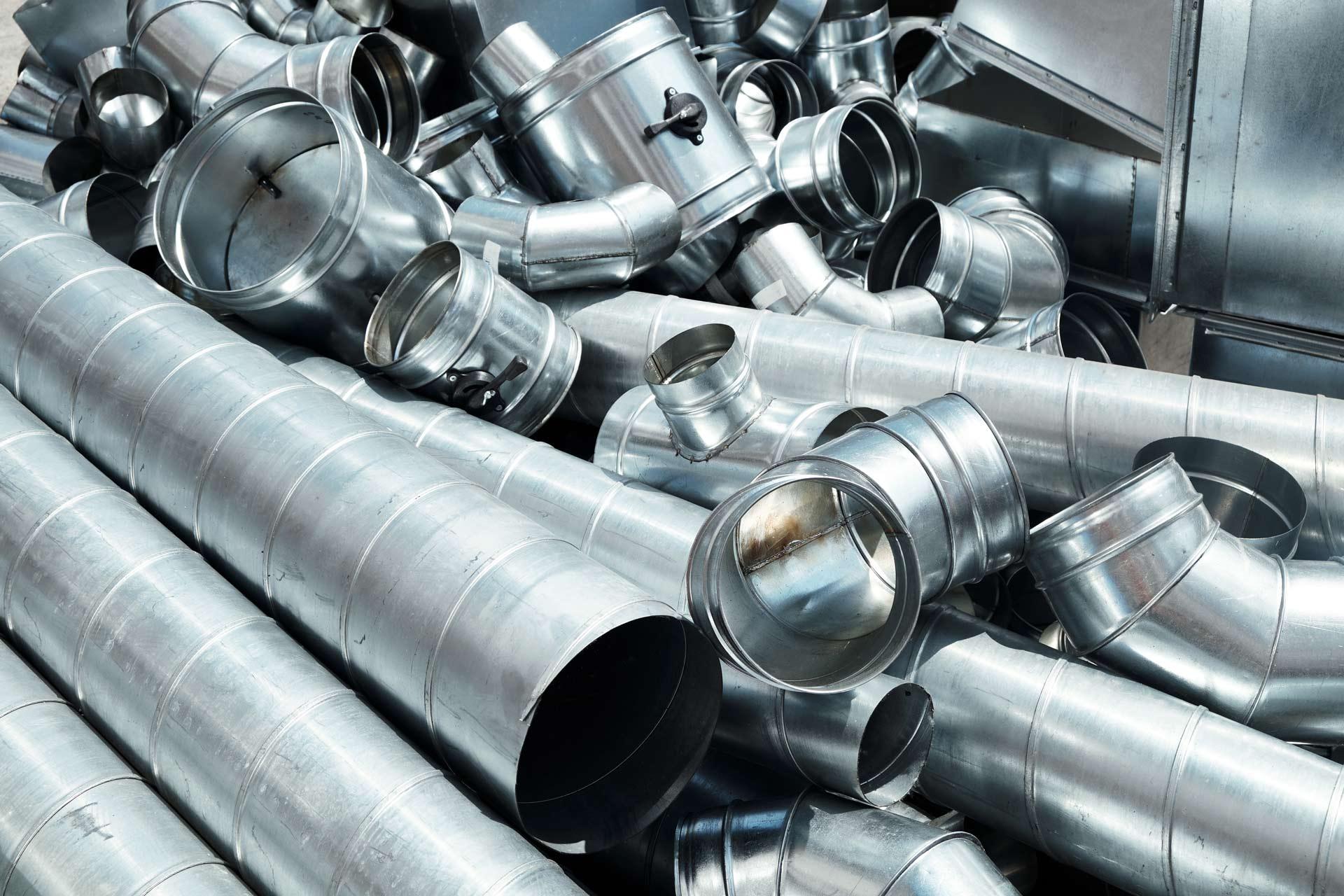
In today’s world, where environmental concerns and resource scarcity are growing challenges, recycling has become more than just a responsible choice—it’s a necessity. Among the various forms of recycling, metal recycling plays a crucial role in reducing waste, conserving natural resources, and lowering energy consumption. Businesses and individuals alike are increasingly turning to professional Metal Recycling Services to manage scrap materials efficiently while contributing to a cleaner, greener planet.
The Importance of Metal Recycling
Metals such as aluminum, copper, steel, and brass are valuable materials that can be reused repeatedly without losing their properties. Unlike many other materials, metals do not degrade during the recycling process. This makes them ideal for sustainable reuse in industries ranging from construction to manufacturing.
Recycling metal significantly reduces the need for mining raw materials. Mining operations not only deplete natural resources but also cause environmental damage, including deforestation, soil erosion, and water pollution. By recycling existing metals, we can reduce the environmental footprint associated with extraction and processing.
Another major benefit is energy savings. Producing metal from recycled materials requires far less energy compared to manufacturing it from raw ore. For example, recycling aluminum can save up to 95% of the energy needed for primary production. These savings translate into reduced greenhouse gas emissions, helping combat climate change.
How Metal Recycling Services Work
Professional recycling services simplify the process of collecting, sorting, and processing scrap metal. The process typically begins with the collection of metal waste from residential, commercial, or industrial sources. This can include anything from old appliances and car parts to construction debris and manufacturing scraps.
Once collected, the metal is sorted based on type and quality. Advanced technologies, such as magnets and sensors, are often used to separate ferrous metals (like steel) from non-ferrous metals (like aluminum and copper). After sorting, the metals are cleaned to remove impurities such as paint, plastic, or other contaminants.
The cleaned metal is then processed—usually by shredding or melting—and transformed into raw material that can be used to manufacture new products. This closed-loop system ensures that valuable resources are reused instead of ending up in landfills.
Benefits for Businesses and Communities
Engaging with professional recycling services offers multiple advantages beyond environmental impact. For businesses, it can lead to significant cost savings. Instead of paying for waste disposal, companies can often earn revenue by selling scrap metal. This turns waste management into a profitable operation.
Additionally, recycling services help businesses comply with environmental regulations and demonstrate corporate responsibility. Companies that adopt sustainable practices often enjoy a better reputation among customers, partners, and stakeholders.
For communities, metal recycling reduces landfill waste and minimizes pollution. It also creates jobs in collection, processing, and manufacturing sectors. By supporting local recycling initiatives, communities can foster economic growth while promoting environmental awareness.
Practical Tips for Effective Metal Recycling
To make the most of recycling efforts, it’s important to follow a few best practices:
- Separate materials: Keep different types of metals separate to improve recycling efficiency and value.
- Remove non-metal components: Detach plastic, rubber, or glass parts whenever possible.
- Store safely: Keep scrap metal in a dry, secure location to prevent contamination or accidents.
- Work with reputable providers: Choose experienced recycling companies that follow proper environmental standards.
By taking these simple steps, individuals and businesses can maximize the benefits of recycling while ensuring a smoother process.
The Future of Metal Recycling
As technology advances, the metal recycling industry continues to evolve. Innovations such as automated sorting systems and improved melting techniques are making the process faster, more efficient, and more environmentally friendly. Governments and organizations worldwide are also introducing stricter regulations and incentives to encourage recycling practices.
The growing demand for sustainable materials is further driving the need for reliable Metal Recycling Services, especially in industries like construction, automotive, and electronics. As awareness increases, more people are recognizing the value of recycling not just as a necessity, but as an opportunity to build a sustainable future.
Conclusion
Metal recycling is a powerful tool in the fight against environmental degradation and resource depletion. By reusing valuable materials, we can conserve energy, reduce waste, and support economic growth. Professional recycling services make it easier than ever to participate in this essential process, offering convenience, efficiency, and financial benefits.
Categories
Read More
When it comes to health, accurate diagnosis is the first step toward effective treatment. In a growing city like Haldwani, patients need a reliable diagnostic centre that offers fast reports, advanced testing, and professional care. Chandan Diagnostic Centre is one of the most trusted names providing quality pathology and diagnostic services in the region. Trusted Diagnostic Centre in Haldwani...

Vaping has become a popular alternative to traditional smoking, and one of the key factors that keeps vapers coming back is flavor. For those interested in disposable vapes, Geekbar has established a strong reputation for offering a range of options that cater to different taste preferences. In this post, we’ll explore geekbar flavor options, share insights from a geek bar flavor guide,...

According to the latest report published by Data Bridge Market Research, the Darlington Transistor Market CAGR Value The global darlington transistor market size was valued at USD 2.10 billion in 2024 and is expected to reach USD 3.21 billion by 2032, at a CAGR of 5.40% during the forecast period The winning Darlington Transistor...

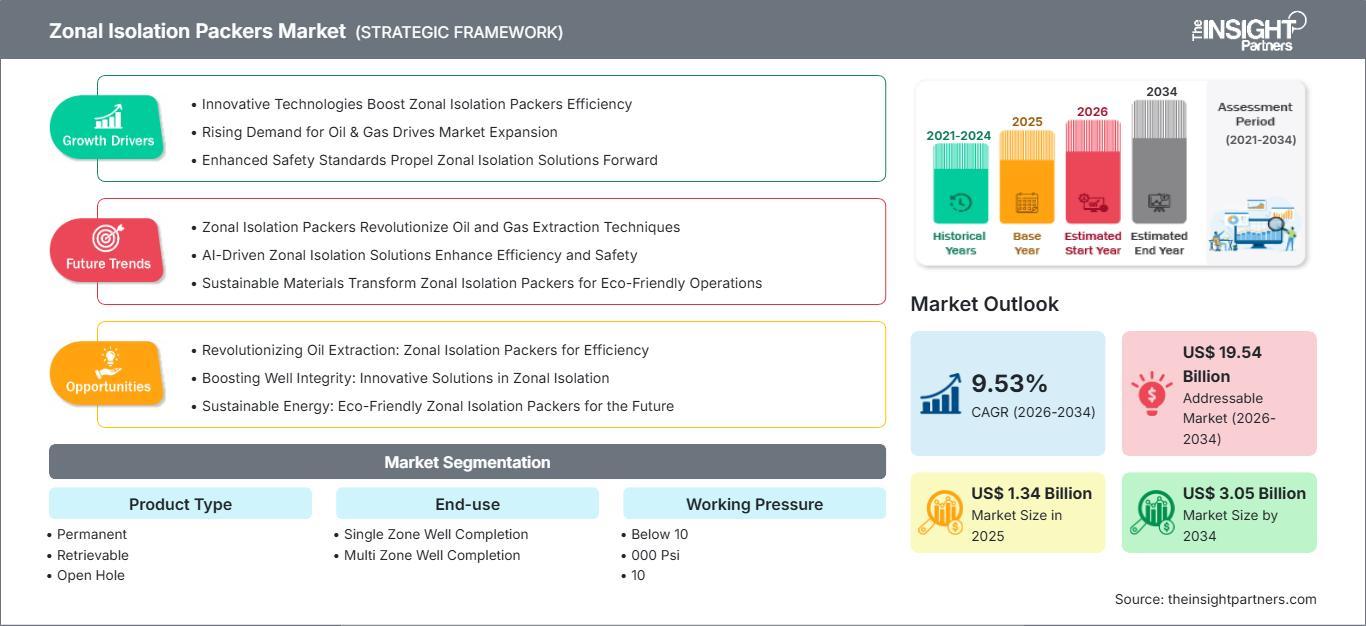
The global zonal isolation packers market is witnessing strong growth due to increasing investments in oil and gas exploration and production activities across both offshore and onshore fields. Zonal isolation packers play a critical role in well completion operations by providing effective sealing between different zones in a wellbore, helping operators improve production efficiency, maintain...
Rubber Process Oil Market Gains Steady Momentum Driven by Tire Manufacturing Demand and Industrial Rubber Applications Expansion The Rubber Process Oil Market is witnessing consistent growth as demand for high-performance rubber products continues to expand across automotive, construction, and industrial sectors. The Rubber Process Oil Market is benefiting from its critical...