Flood Damage Car Engine Repair Dubai Recovery
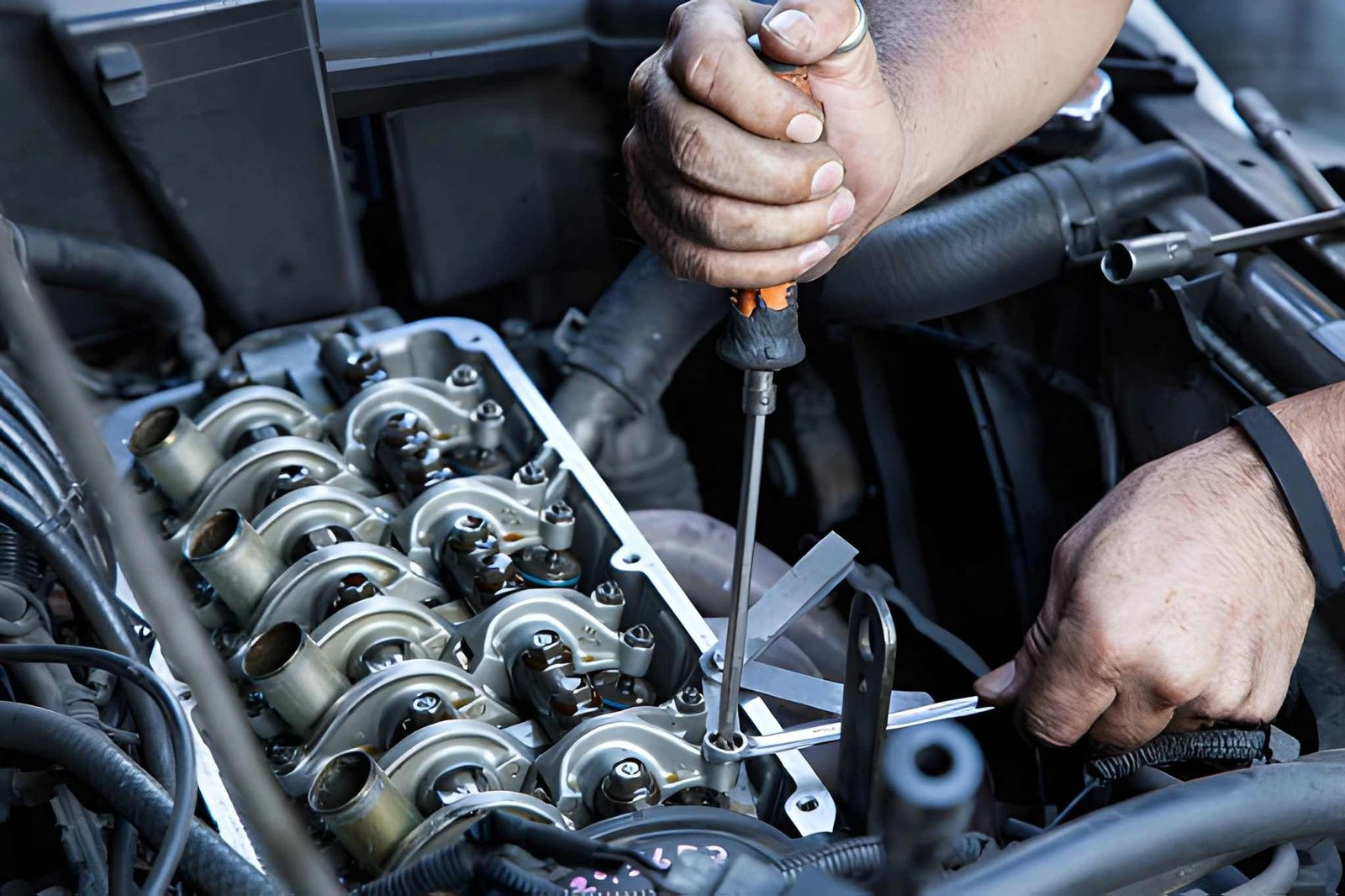
Rain in Dubai is rare, but when it comes, it hits hard. Roads flood quickly, parking basements fill up, and within minutes, cars are sitting in water. For many drivers, the first reaction is panic—especially when the car refuses to start.
What most people don’t realize is that flood damage is not always obvious right away. A car might seem fine on the outside, but inside, the engine and electrical systems could already be affected.
👉 If your car has been through water, don’t take chances. Get it checked by a professional Car Engine Repair service before you even think about starting it again.
What Really Happens When Water Enters an Engine
An engine is built to handle fuel, air, and controlled explosions. Water doesn’t belong anywhere in that process.
If water enters the engine, it disrupts combustion immediately. In the worst cases, it can stop the engine completely. Unlike air, water doesn’t compress, and that’s where the real danger starts.
Even a small amount can create serious internal stress.
Hydrolock: The Damage Most Drivers Don’t Understand
One of the biggest risks after flooding is something called hydrolock.
This happens when water gets into the cylinders. When the engine tries to run, the pistons can’t compress the water, which leads to internal damage. In simple words, the engine tries to move—but something inside blocks it.
This can bend connecting rods or damage major components. And once that happens, repairs are no longer simple.
The Biggest Mistake After Flood Exposure
A lot of people make the same mistake—they try to start the car “just to check.”
That one attempt can turn a repairable situation into a costly rebuild. If water is inside, starting the engine pushes it deeper and spreads the damage.
The smarter move is simple: don’t touch the ignition. Let a professional inspect it first.
Signs Your Engine Might Be Affected
Sometimes the damage is obvious. Sometimes it’s not.
You might notice the car struggling to start. Or maybe it starts, but the engine feels rough. There could be unusual sounds or vibrations that weren’t there before.
Other times, the signs are subtle—slightly lower performance or random warning lights. These are easy to ignore, but they shouldn’t be.
Why Some Problems Show Up Later
Flood damage doesn’t always hit immediately. That’s what makes it tricky.
Water can stay inside components, especially in wiring and connectors. Over time, it causes corrosion. A car that works fine today might start showing issues next week.
This delayed damage is why proper inspection matters—even if everything seems okay.
Engine Oil Contamination Is Common
One of the first things technicians check is engine oil.
When water mixes with oil, it changes the texture completely. Instead of smooth lubrication, it turns into a thick, cloudy mixture. That’s bad news for the engine.
Running the car in this condition increases friction and wear. If not fixed quickly, it can damage internal parts.
Air Intake Is Another Entry Point
Water doesn’t always enter from below. It can also get in through the air intake.
If the intake pulls in water instead of air, it travels straight toward the engine. This is one of the fastest ways flood damage happens.
A soaked air filter is often the first sign. But the real concern is what happens beyond it.
Electrical Systems Take a Hit Too
Modern cars depend heavily on electronics. Flood water doesn’t go easy on them.
Sensors, wiring, and control modules can all be affected. Sometimes the damage is immediate. Other times, it builds up slowly.
You might see random errors, warning lights, or features that stop working. These issues are not always easy to trace without proper tools.
Why DIY Fixes Don’t Work Here
It’s tempting to try quick fixes—drying the engine, changing oil, or just “waiting it out.”
But flood damage is more serious than that. Without proper inspection, you’re only guessing.
Some problems stay hidden until they become serious. By then, the repair cost is much higher than it needed to be.
What a Proper Inspection Looks Like
A real inspection is detailed. It’s not just opening the hood and taking a look.
Technicians check oil, intake systems, electrical connections, and engine internals. They look for moisture, contamination, and early signs of damage.
Sometimes parts need cleaning. Sometimes replacement is necessary. The goal is to fix the root issue, not just the symptoms.
Dubai Roads and Flood Risk
Dubai isn’t built for constant rain, so when heavy showers hit, water collects fast.
Low-lying areas, underpasses, and basements become high-risk zones. Even shallow water can be dangerous if you drive through it at speed.
It only takes one wrong turn into a flooded street to cause serious damage.
Can a Flood-Damaged Engine Be Saved?
Yes—but it depends on timing.
If the car is inspected early and not started, the chances of recovery are much higher. Cleaning and fluid replacement can solve the issue.
But if the engine has already been run with water inside, the situation becomes more complicated. Repairs may involve internal components.
Cost Depends on the Damage Level
There’s no fixed cost for flood damage repair. It varies a lot.
A minor case might only need fluid replacement and cleaning. A severe case could involve major engine work.
This is why early action matters. The sooner you address it, the more you save.
How to Reduce Risk in the Future
You can’t control the weather, but you can reduce risk.
Avoid driving through water, even if it looks shallow. Park in higher areas during rain alerts. Stay aware of flood-prone spots.
These small decisions can save you from major trouble later.
Patience During Recovery Matters
Flood repair is not instant. It takes time to do it properly.
Drying systems, cleaning parts, and testing everything carefully are important. Rushing the process can leave hidden issues behind.
A proper job now means fewer problems later.
Final Thoughts
Flood damage is one of those problems that looks small at first but can turn serious very quickly. The biggest mistake is underestimating it or trying to handle it casually.
If your car has been exposed to water, the safest approach is simple—don’t start it, don’t guess, and don’t delay.
👉 For proper inspection and reliable repair, trust Rapid Rev Garage. Their experience with real-world engine issues ensures your car is handled the right way, without shortcuts or unnecessary risks.
Kategoriler
Read More
T20 cricket has become one of the most popular formats of the game due to its fast pace, high scoring, and unpredictable nature. Introduction T20 cricket has become one of the most popular formats of the game due to its fast pace, high scoring, and unpredictable nature. For betting enthusiasts, this format offers countless opportunities because the match can change direction within a few...

In the modern digital era, online entertainment has become a daily part of life for many people. With smartphones and internet access becoming common everywhere, users now prefer fast and simple ways to enjoy games online. Because of this growing trend, the keyword “BDG Game Link” is becoming more popular on search engines. The BDG Game Link is generally known as a direct access...

Hair Styling Equipment Market: According to the latest report published by Data Bridge Market Research, the Hair Styling Equipment Market The global hair styling equipment market size was valued at USD 14.15 billion in 2025 and is expected to reach USD 18.73 billion by 2033, at a CAGR of 5.50% during the forecast period The large scale Hair Styling Equipment Market report evaluates...

"Executive Summary Electronic Grade Nitric Acid Market: Share, Size & Strategic Insights The global electronic grade nitric acid market size was valued at USD 98.1 million in 2024 and is expected to reach USD 163.57 million by 2032, at a CAGR of 6.6% during the forecast period Electronic Grade Nitric Acid Market report is structured with the best and...

The global demand for protective face masks has transformed how industries, healthcare systems, and the general public think about personal safety and hygiene. What was once a product mainly associated with hospitals and industrial environments has now become a widely recognized protective solution across multiple sectors. From healthcare and pharmaceuticals to construction, manufacturing, and...