How Can Veterans Improve Their Chances of Getting a Home Loan with Bad Credit?

Buying a home is supposed to feel like progress. For a lot of veterans, though, it feels more like hitting a wall, especially when credit isn’t great. It’s not just numbers on a report; it’s old mistakes that won’t go away. Still, here’s the thing… getting approved for home loans for veterans with bad credit isn’t some long shot. It’s harder, yeah. But not out of reach. You just have to approach it a little differently than the “perfect borrower” advice you see everywhere.
Start With the Uncomfortable Stuff
Alright, first step. Look at your credit. Like, actually look at it. Not the number you remember from last year. The current report. Line by line, if you can handle it. You might find stuff you forgot about. Or things that aren’t even yours (happens more than people think, weirdly). Let’s be real, this part is annoying. Nobody enjoys digging through an old financial mess. But lenders already see it. So pretending it’s not there doesn’t help. Knowing what’s dragging you down? That’s where things start to shift a bit.
You Don’t Need a Full Turnaround: Just Movement
A lot of people freeze here. They think, “My score is bad, I need to fix everything before I try.” That’s not how it usually works. Sometimes it’s small changes that move the needle. Paying off a couple of hundred on a credit card. Catching up on one overdue account. Even just… staying current for a few months straight. It’s not dramatic. No overnight glow-up. But lenders notice trends. If things were messy before, and now they’re stable? That counts for something. Maybe more than you’d expect.
VA Loans Give You Some Breathing Room
This part matters. A lot. VA loans were built with veterans in mind, obviously, but also with some flexibility baked in. They’re not as rigid as conventional loans when it comes to credit scores. There isn’t one hard cutoff across the board. So yeah, home loans for veterans with bad credit exist because of this exact setup. You might still get asked questions. You might still need to explain a few things. But compared to other loan types, it’s a different game. Less about perfection, more about the overall picture.
Income Stability… It’s Kind of a Big Deal
Here’s something people underestimate. Your income, how steady it is, can carry more weight than your credit score in some cases. Not always, but enough that it matters. If you’ve been working consistently, in the same field or with the same employer, that’s a good sign to lenders. It tells them you’re not likely to suddenly stop paying. If your work history is a bit all over the place… yeah, that can make things harder. Not impossible, just… more questions, more scrutiny. They’re basically asking: “Will this person keep making payments?” Everything else feeds into that.
Pick the Lender Carefully (This One Gets Ignored)
Honestly, this is where a lot of people trip up. They go to the first bank, get a no, and assume that’s the final answer. It’s not. Different lenders look at the same file in different ways. Some are strict. Some actually understand VA loans beyond the surface level. Working with a solid Colorado mortgage lender, or really any lender who deals with VA borrowers regularly, can change the whole experience. They might suggest tweaks, help you structure things better, or just… not shut the door immediately. It’s not about shopping endlessly. Just don’t stop at one opinion.
Debt Doesn’t Have to Be Zero, Just Lower
You don’t need to be debt-free to qualify. That’s a myth that sticks around for some reason. But you do need to show that your debt isn’t eating up all your income. That’s the key. Lenders look at what’s left after your monthly payments go out. If most of your income is already committed, they get nervous. If there’s some breathing space, even a little, it helps. So yeah, paying down a balance or two, doesn’t have to be everything, can improve your odds more than obsessing over your credit score alone.
Talk to a Lender Earlier Than You Feel Comfortable
This part feels counterintuitive. You might think, “I’ll wait until my credit improves, then I’ll apply.” But honestly, talking to a lender earlier can save you time. They’ll tell you straight up what’s working and what’s not. Not in a judgmental way (well… most of them). More like, “hey, fix this one thing and come back.” That’s way better than guessing for six months and hoping you did the right stuff.
Sometimes You Need Backup, and That’s Okay
If your credit is really struggling, bringing in a co-borrower can help. Not always ideal, I know. But it’s an option. A spouse, maybe. Someone with stronger credit and a stable income. It can balance things out enough to get approval. Just don’t rush into it. This isn’t a casual favor. It ties both people to the loan long-term. So yeah, think it through.
Conclusion: It’s a Process, Not a Straight Line
Look, none of this is quick. Or neat. Or perfectly predictable. But getting approved for a home loan as a veteran with bad credit? It happens every day. Just not in the clean, polished way you see in guides. It’s usually messy. A few fixes here. A bit of waiting. Maybe a rejection before a yes. The truth is, lenders aren’t expecting flawless. They’re looking for signs that things are improving, that you’re steady, that you’re not repeating the same mistakes. Working with an experienced colorado mortgage lender can make a real difference, especially one who understands how to guide veterans through credit challenges. So if you’re in this spot right now, credit not great, still hoping to buy, don’t write yourself off. You’re probably closer than it feels. Just… take it one step at a time, even if those steps feel small.
Categorii
Citeste mai mult
The latest report titled "Global Silicone Film Market Share and Ranking, Overall Sales and Demand Forecast 2026-2033" comes from Exactitude Consultancy, a top player in global market research. This comprehensive report dives deep into the global Silicone Film market, covering everything from market size and share to demand and the current state of the industry, along with projections...

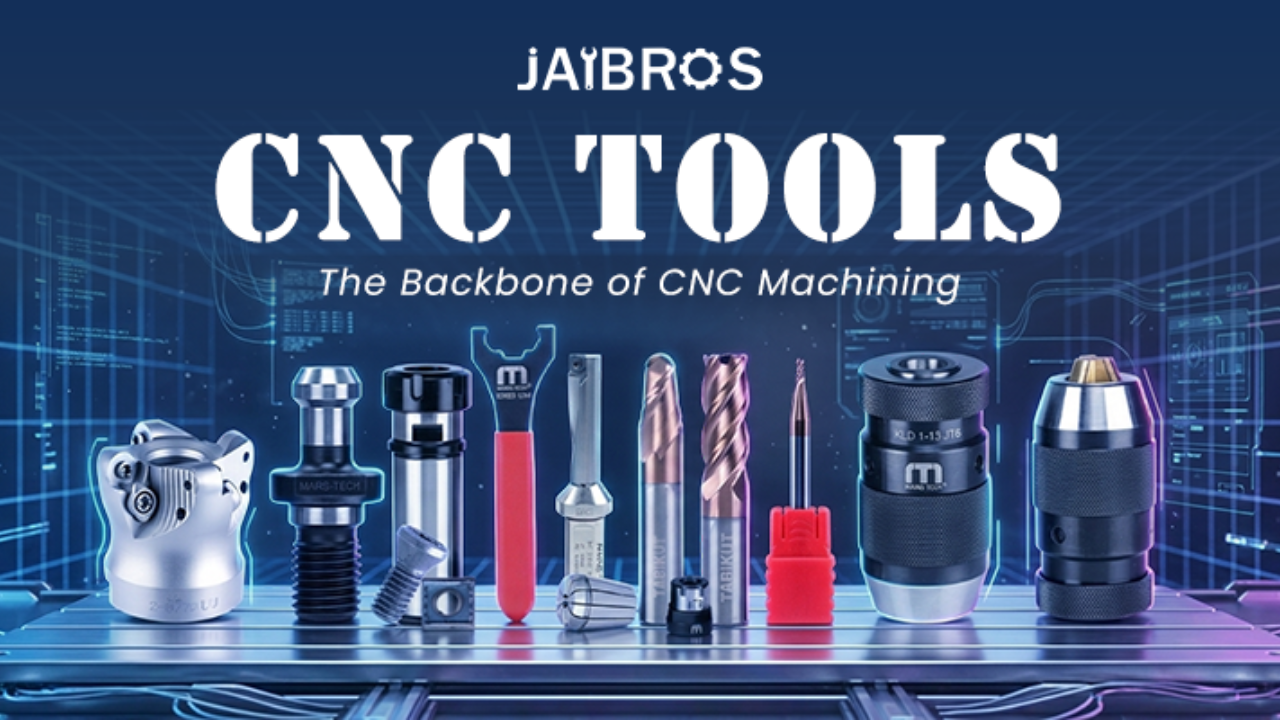
What Are CNC Tools and Why They Matter CNC (Computer Numerical Control) tools are precision instruments used in automated machining operations. These tools perform tasks such as cutting, drilling, milling, and shaping materials with high accuracy. A high-quality cnc tool ensures smooth operation, better surface finish, and reduced machine wear. On the other hand, poor-quality tools can lead to...
Das Osterfest naht und EA Sports FC feiert dies mit dem traditionellen Trophy Titans Event. Ausgewählte Ikonen und Helden erhalten stark verbesserte Spezialkarten, teilweise sogar in zwei unterschiedlichen Versionen. Das Team 1 bringt 35 neue Karten ins Spiel, ergänzt durch weitere Trophy Titans über SBCs und Objectives. Von Alan Shearer bis Zinedine Zidane erstrahlen Legenden...
As someone who enjoys staying up to date with modern vape technology, I’ve learned that device performance depends just as much on the flavor blend as the hardware itself. Some flavors work beautifully with high-efficiency coils and airflow systems, while others fall apart under stronger output. That’s what led me to Watermelon Lemonade Monster. It’s one of the few blends that...

St Paul’s Cathedral is now framed by nine oversized wand sculptures, installed outside the landmark in London. Warner Bros. unveiled the dramatic display as part of a campaign supporting J.K. Rowling’s charity, Lumos. The public-art piece — presented under the City of London’s public art programme — is billed as Fantastic Beasts: Wizarding World Wands supporting...