


Shani Levni: Where Art Meets Activism: A Deep Dive Into Her Creative World

In a digital age where personal websites often feel cold and transactional, shanilevni.com offers something genuinely refreshing a window into the soul of an artist who believes that creativity is not just a career, but a calling. The website dedicated to Shani Levni, an Israeli multidisciplinary artist born in Tel Aviv in 1990, paints a vivid portrait of a woman whose life's work sits at the powerful intersection of art, identity, memory, and social change.
A Story Rooted in Culture
The moment you land on the website, the narrative begins with Shani Levni's origins. Born on April 15, 1990, in the culturally rich and historically layered city of Tel Aviv, Israel, Levni grew up surrounded by a multicultural tapestry of Jewish, Middle Eastern, and European influences. Her childhood was not just shaped by the vibrant arts scene of Tel Aviv, but also by deep family conversations around philosophy, literature, identity, and belonging.
These early experiences did not simply inform her worldview — they became the very foundation of her artistic language. The website does an excellent job of connecting her personal history to her professional evolution, making it clear that for Shani Levni, art has always been autobiographical.
Education That Shaped a Vision
One of the most compelling sections of the website outlines Levni's academic journey. She began her formal training at the prestigious Bezalel Academy of Arts and Design in Jerusalem, where she earned a Bachelor of Fine Arts with a focus on Abstract Expressionism. Here, she learned to manipulate color, texture, and form in ways that pushed beyond traditional boundaries.
But her education did not stop there. Levni later moved to Berlin to pursue a Master of Fine Arts in Art Theory, immersing herself in European avant-garde movements and deepening her exploration of collective memory and trauma. This dual education, one rooted in Israeli artistic tradition and the other in European intellectual thought, gave her a uniquely hybrid perspective that continues to define her work today.
A Style Like No Other
What makes Shani Levni's art truly stand out, as highlighted throughout the website, is her fearless blending of mediums. She works with acrylic and oil paints, incorporates found objects, weaves in poetry and critical writing, and creates immersive installations that demand participation rather than passive observation.
Her symbolism is deeply intentional. Trees, scrolls, letters, pomegranates, and gold leaf appear frequently in her work each carrying layers of cultural, spiritual, and personal meaning. Gold leaf represents divine light; pomegranates symbolize tradition and fertility. These are not decorative choices they are visual arguments about the human condition.
Landmark Works That Speak Volumes
The website proudly showcases several of Levni's most significant projects. "Whispers of the Olive Tree," displayed at the Tel Aviv Museum of Art, uses olive branches and Hebrew letters to address themes of heritage and peace. "Letters Never Sent," shown at the Jerusalem Biennale, features suspended scrolls carrying untold stories an emotional meditation on displacement and loss.
Her 2020 solo exhibition "Between Earth and Sky" at Rosenfeld Gallery explored the tension between physical and spiritual homes through textured surfaces and warm, grounding colors. Each of these works demonstrates not just technical mastery, but profound emotional intelligence.
Art as a Force for Social Good
Perhaps the most inspiring aspect of Shani Levni's story, as told through her website, is the establishment of The Root Collective in 2023. This nonprofit organization uses art workshops to empower refugee and immigrant youth, giving them tools to tell their own stories. To date, over 600 young people across five countries have participated, contributing to public murals and art installations that reclaim their voices and narratives.
This initiative reflects Levni's core belief that art is not a luxury reserved for gallery walls, but a fundamental human need for healing, expression, and justice.
Categorie
Leggi tutto
okgud_0ea6128484efc6f820a3d344ea81381a.jpg Breathing well is something most people don’t think about until it becomes uncomfortable. In today’s environment—filled with pollution, allergens, seasonal changes, and indoor irritants—many adults experience occasional breathing discomfort. This can show up as chest tightness, reduced airflow, mild irritation, or...

Dear Dr. Jay, I’m a registered nurse fed up with the hectic hospital environment and dreaming of a career that offers a better work-life balance. I keep hearing about nurses making the leap into aesthetic medicine. Can you explain why this field is so attractive to nursing professionals and how specialized training might be the key to a successful transition? Sincerely,Curious in Scrubs...
According to the latest report published by Data Bridge Market Research, the Explosion-proof Lighting Market CAGR Value The global explosion-proof lighting market size was valued at USD 404.00 million in 2024 and is expected to reach USD 683.32 million by 2032, at a CAGR of 6.79% during the forecast period The wide ranging Explosion-proof...
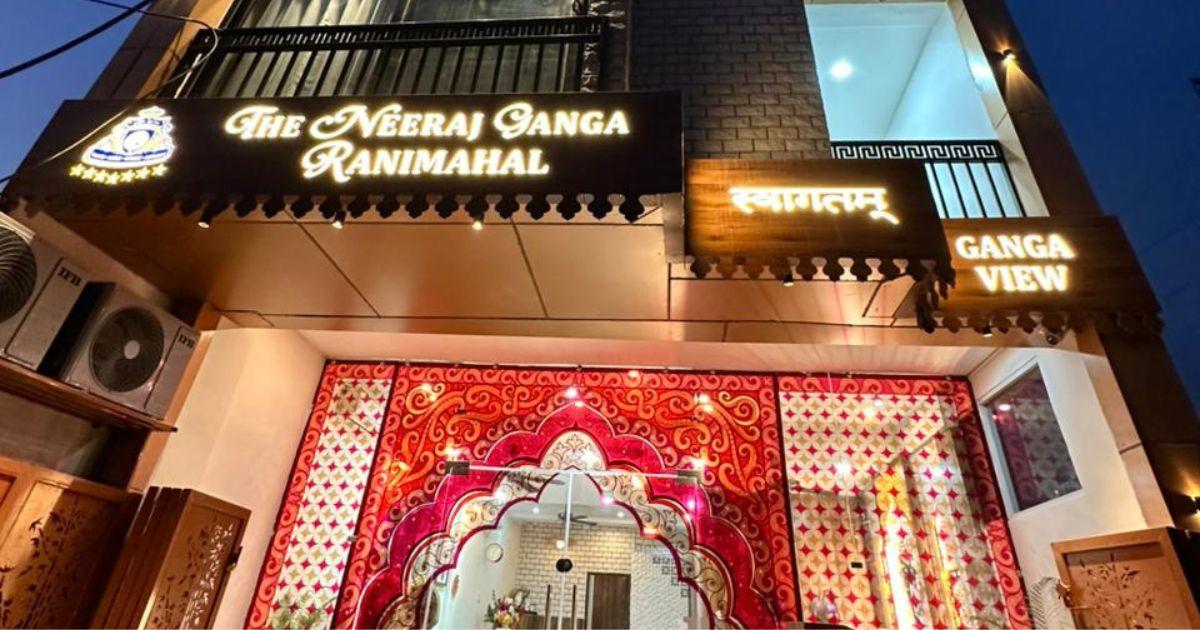
Rishikesh is not just a destination; it is a feeling. The sound of temple bells at sunrise, the sight of diyas floating on the river at dusk, and the constant flow of the sacred Ganga create an atmosphere that stays with you long after your trip ends. When planning a stay in this spiritual town, choosing a riverside hotel can completely change your experience. And if your room overlooks...
According to recent industry analysis from WiseGuy Reports, the global car sunshade market is experiencing significant growth driven by rising consumer awareness about the harmful effects of ultraviolet (UV) radiation and a growing focus on vehicle interior preservation. Car sunshade UV protection is the primary benefit of these essential automotive accessories, offering a simple yet...
