Equine Light Therapy – Advanced LED Technology for Horse Recovery, Performance, and Wellness
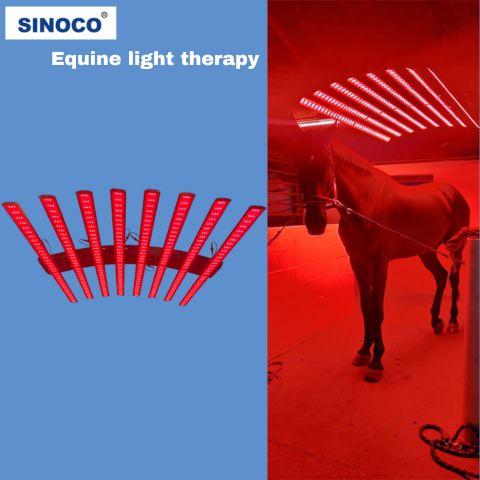
In modern equine care, technology-driven solutions are transforming how trainers, veterinarians, and horse owners manage performance and recovery. One of the most innovative advancements in this space is equine light therapy, a non-invasive treatment method that uses specific wavelengths of red and near-infrared light to support healing, reduce inflammation, and enhance overall equine wellness.
Equine light therapy is based on the science of photobiomodulation, where light energy penetrates the skin and stimulates cellular activity. This process boosts mitochondrial function, increasing ATP (cellular energy) production, which is essential for tissue repair and regeneration. As a result, horses experience improved recovery times, better muscle performance, and reduced discomfort after intense physical activity.
One of the primary benefits of equine light therapy is its ability to accelerate recovery from soft tissue injuries. Tendons, ligaments, and muscles are common areas of strain in performance horses, especially those involved in racing, jumping, or dressage. By enhancing blood circulation and reducing inflammation, LED therapy helps speed up natural healing processes without the need for invasive procedures or medication.
Another important advantage is pain and inflammation management. Red and near-infrared light help regulate inflammatory responses in the body, reducing swelling and stiffness in joints and muscles. This makes it especially useful for horses suffering from chronic conditions such as arthritis or recurring musculoskeletal stress.
Equine light therapy is also widely used for performance enhancement and pre-conditioning. When applied before training, it helps warm up muscles, increase flexibility, and reduce the risk of injury. After exercise, it supports faster recovery by flushing out metabolic waste and relaxing muscle tissue. This dual function makes it a valuable tool in professional equestrian training programs.
Modern equine light therapy systems are designed with flexibility and ease of use in mind. Devices often come in the form of wearable pads or wraps that can be placed over different parts of the horse’s body, including the back, legs, and shoulders. These systems typically use a combination of red light (around 660 nm) for surface treatment and near-infrared light (around 850 nm) for deeper tissue penetration, allowing comprehensive therapy coverage.
Safety is another key advantage of this technology. Unlike heat-based treatments, LED light therapy is non-thermal and does not damage tissue when used correctly. Treatments are painless, require no downtime, and can be integrated easily into daily stable routines. This makes it suitable for both professional competition horses and leisure riding animals.
Beyond physical recovery, equine light therapy also contributes to overall well-being. Many horses show signs of relaxation during sessions, as the gentle light stimulation helps reduce stress and promote calmness. Over time, this can improve temperament, focus, and trainability.
In conclusion, equine light therapy represents a powerful, science-backed approach to modern horse care. By combining advanced LED technology with proven biological effects, it delivers a safe, effective, and drug-free solution for improving recovery, reducing pain, and enhancing performance in horses across all disciplines.
Categorii
Citeste mai mult
The heat pump refrigeration market has become a critical enabler of retail operations, with HVAC heat pump solutions offering commercial refrigeration equipment, product preservation, and energy savings for supermarkets and retail stores. As retail operations demands evolve, the role of heat pump refrigeration has grown significantly. The Heat Pump Refrigeration Market was valued at USD 55.73...

In today’s world, fashion is more than just style—it is a voice. The mixed emotions shirt has become a trend that allows people to express the complexity of human feelings through clothing. It is not only a comfortable piece of apparel but also a symbol of authenticity, individuality, and modern culture. The Meaning Behind Mixed Emotions Shirt Every person experiences moments of...

The financial market has become one of the most exciting places for people who want to build additional income, create long-term wealth, or learn a high-income skill. With easy access to stock markets, forex, crypto, and commodities through online platforms, more beginners are entering the trading world every day. However, many new traders fail because they start without proper education or...

Perché Crescono i Casino Non AAMS Nel 2026 i casino non AAMS stanno conquistando sempre più attenzione in Italia. Molti utenti desiderano casinò non aams bonus più alti, giochi innovativi e maggiore libertà di scelta. Queste piattaforme internazionali offrono esperienze moderne, rendendo il settore del gioco online più dinamico e competitivo per...
In the fast-growing digital world, users are always searching for platforms that offer both convenience and variety. Whether it is following cricket updates or exploring live interactive games, having everything available in one place makes a big difference. This is where Fun88 comes into the picture as a platform designed to bring multiple experiences together in a simple and structured way...