• Programmatic ABM: The Future of Scalable Account-Based Marketing

    B2B marketing continues to evolve as companies search for smarter ways to reach high-value buyers. Traditional marketing approaches often generate large volumes of leads but fail to connect with the decision-makers who actually influence purchase decisions. That is why many organizations are turning to a modern strategy that combines automation, data intelligence, and personalized engagement to reach the right accounts at scale.
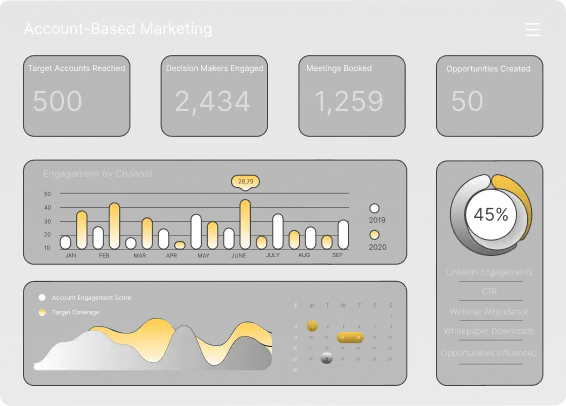
    Programmatic ABM is emerging as a powerful extension of account-based marketing because it allows businesses to deliver targeted campaigns to specific companies without sacrificing personalization. Instead of manually managing outreach to every account, programmatic technologies automate targeting, advertising, and engagement across multiple channels. As a result, marketing teams can focus their efforts on the organizations that matter most while still scaling campaigns efficiently.
    Understanding the Evolution of Account-Based Marketing
    Account-based marketing has always focused on quality rather than quantity. Instead of targeting thousands of anonymous leads, companies identify a list of high-value accounts and build personalized campaigns to engage them. Marketing and sales teams collaborate to create messaging that resonates with specific industries, organizations, and stakeholders. However, traditional ABM strategies often face scalability challenges. Managing individual campaigns for dozens or hundreds of accounts can require significant time and resources. As B2B buying groups become larger and more complex, the need for automation and intelligent targeting has grown.
    This is where programmatic ABM becomes valuable. By combining automation with advanced targeting technologies, organizations can execute account-based strategies across hundreds or even thousands of accounts while maintaining relevance and personalization. The approach ensures that marketing messages reach the right people at the right moment in their buying journey.
    Programmatic ABM: The Future of Scalable Account-Based Marketing B2B marketing continues to evolve as companies search for smarter ways to reach high-value buyers. Traditional marketing approaches often generate large volumes of leads but fail to connect with the decision-makers who actually influence purchase decisions. That is why many organizations are turning to a modern strategy that combines automation, data intelligence, and personalized engagement to reach the right accounts at scale. Programmatic ABM is emerging as a powerful extension of account-based marketing because it allows businesses to deliver targeted campaigns to specific companies without sacrificing personalization. Instead of manually managing outreach to every account, programmatic technologies automate targeting, advertising, and engagement across multiple channels. As a result, marketing teams can focus their efforts on the organizations that matter most while still scaling campaigns efficiently. Understanding the Evolution of Account-Based Marketing Account-based marketing has always focused on quality rather than quantity. Instead of targeting thousands of anonymous leads, companies identify a list of high-value accounts and build personalized campaigns to engage them. Marketing and sales teams collaborate to create messaging that resonates with specific industries, organizations, and stakeholders. However, traditional ABM strategies often face scalability challenges. Managing individual campaigns for dozens or hundreds of accounts can require significant time and resources. As B2B buying groups become larger and more complex, the need for automation and intelligent targeting has grown. This is where programmatic ABM becomes valuable. By combining automation with advanced targeting technologies, organizations can execute account-based strategies across hundreds or even thousands of accounts while maintaining relevance and personalization. The approach ensures that marketing messages reach the right people at the right moment in their buying journey.
    0 Kommentare ·0 Anteile ·2KB Ansichten ·0 Vorschau
  • Why B2B Personalization Matters: Meeting Buyer Expectations in the Modern Market
    Today’s B2B Personalization marketplace has changed dramatically. Buyers are no longer satisfied with generic marketing messages or one-size-fits-all communication. Instead, they expect companies to understand their business challenges, industry context, and decision-making priorities. This shift has made one of the most critical strategies for companies that want to remain competitive in modern demand generation and customer engagement.
    Personalization in B2B marketing means tailoring content, communication, and experiences to the specific needs of each account or decision-maker. Instead of broadcasting a single message to every potential buyer, organizations now use data, insights, and behavioral signals to deliver relevant experiences that resonate with their audience. When executed effectively, personalization strengthens engagement, improves trust, and accelerates buying decisions across complex enterprise sales cycles. As digital transformation reshapes the buyer journey, companies that prioritize personalized experiences gain a clear advantage in building stronger relationships with prospects and customers.
    The Changing Expectations of B2B Buyers
    B2B buyers increasingly expect the same personalized experiences they encounter in consumer markets. They want brands to understand their industry, recognize their role within the organization, and provide relevant insights tailored to their business priorities. Research shows that a large portion of B2B buyers now expect companies to deliver tailored interactions and relevant messaging during the buying journey. Many buyers also expect organizations to understand when and how they want personalized engagement across different stages of the decision process.
    This expectation has been driven by several key factors:
    First, digital access to information has empowered buyers to conduct independent research before interacting with sales teams. Buyers often evaluate solutions long before reaching out to vendors, meaning that companies must provide personalized content and messaging earlier in the buying cycle. Second, enterprise purchasing decisions now involve multiple stakeholders. Buying committees often include executives, technical specialists, and procurement professionals. Each member has different priorities, and personalization helps address the unique concerns of each decision-maker. Finally, the competitive landscape has intensified across most industries. When products or services appear similar, the quality of the customer experience becomes a key differentiator. Companies that demonstrate a deep understanding of buyer needs are far more likely to stand out.
    Why Personalization Drives Stronger Engagement
    Personalization significantly improves how prospects interact with brands. When buyers receive relevant information aligned with their needs, they are more likely to engage with content and continue moving through the sales funnel. Instead of receiving broad marketing messages that feel disconnected from their challenges, buyers prefer content that directly addresses their goals. Personalized messaging allows organizations to highlight relevant use cases, industry insights, and solutions tailored to specific business problems.
    Why B2B Personalization Matters: Meeting Buyer Expectations in the Modern Market Today’s B2B Personalization marketplace has changed dramatically. Buyers are no longer satisfied with generic marketing messages or one-size-fits-all communication. Instead, they expect companies to understand their business challenges, industry context, and decision-making priorities. This shift has made one of the most critical strategies for companies that want to remain competitive in modern demand generation and customer engagement. Personalization in B2B marketing means tailoring content, communication, and experiences to the specific needs of each account or decision-maker. Instead of broadcasting a single message to every potential buyer, organizations now use data, insights, and behavioral signals to deliver relevant experiences that resonate with their audience. When executed effectively, personalization strengthens engagement, improves trust, and accelerates buying decisions across complex enterprise sales cycles. As digital transformation reshapes the buyer journey, companies that prioritize personalized experiences gain a clear advantage in building stronger relationships with prospects and customers. The Changing Expectations of B2B Buyers B2B buyers increasingly expect the same personalized experiences they encounter in consumer markets. They want brands to understand their industry, recognize their role within the organization, and provide relevant insights tailored to their business priorities. Research shows that a large portion of B2B buyers now expect companies to deliver tailored interactions and relevant messaging during the buying journey. Many buyers also expect organizations to understand when and how they want personalized engagement across different stages of the decision process. This expectation has been driven by several key factors: First, digital access to information has empowered buyers to conduct independent research before interacting with sales teams. Buyers often evaluate solutions long before reaching out to vendors, meaning that companies must provide personalized content and messaging earlier in the buying cycle. Second, enterprise purchasing decisions now involve multiple stakeholders. Buying committees often include executives, technical specialists, and procurement professionals. Each member has different priorities, and personalization helps address the unique concerns of each decision-maker. Finally, the competitive landscape has intensified across most industries. When products or services appear similar, the quality of the customer experience becomes a key differentiator. Companies that demonstrate a deep understanding of buyer needs are far more likely to stand out. Why Personalization Drives Stronger Engagement Personalization significantly improves how prospects interact with brands. When buyers receive relevant information aligned with their needs, they are more likely to engage with content and continue moving through the sales funnel. Instead of receiving broad marketing messages that feel disconnected from their challenges, buyers prefer content that directly addresses their goals. Personalized messaging allows organizations to highlight relevant use cases, industry insights, and solutions tailored to specific business problems.
    0 Kommentare ·0 Anteile ·2KB Ansichten ·0 Vorschau
  • Database Marketing for Smarter B2B Campaigns: Turning Data into Real Engagement

    Modern B2B marketing is no longer about sending generic campaigns to a wide audience and hoping for results. Today’s organizations rely on data-driven insights to reach the right decision-makers at the right time. That is where database marketing for B2B campaigns becomes a powerful strategy. By using structured customer and prospect data, businesses can design targeted marketing programs that improve engagement, drive conversions, and create stronger relationships with potential buyers.
    In simple terms, database marketing is a form of direct marketing that uses a structured database of customers or prospects to deliver personalized communications and marketing messages. Instead of treating every contact the same, marketers analyze customer behavior, demographics, and engagement patterns to create relevant campaigns that resonate with specific audiences. As B2B markets grow increasingly competitive, companies that leverage database marketing gain a strategic advantage. They can build deeper insights into their buyers, optimize their outreach efforts, and deliver more meaningful interactions that lead to measurable results.
    What Is Database Marketing in B2B?
    Database marketing refers to the practice of collecting, storing, and analyzing customer or prospect data in order to create targeted marketing campaigns. These databases typically include details such as company information, job roles, purchase history, digital behavior, and engagement with past campaigns.
    The primary goal is to use this data to segment audiences and personalize communication. Instead of mass outreach, database marketing enables companies to communicate with prospects using tailored messaging that aligns with their interests, needs, and stage in the buying journey.
    For B2B organizations, this approach is especially valuable because purchasing decisions often involve multiple stakeholders and long decision cycles. With access to detailed databases, marketers can better understand the entire buying committee and create campaigns that address each decision-maker’s priorities.
    Why Database Marketing Matters for Modern B2B Campaigns
    The B2B buying process has changed dramatically over the past decade. Buyers now conduct extensive research online before ever speaking with a sales representative. Because of this shift, marketing teams need deeper visibility into buyer behavior.

    Read Full Article: https://vereigenmedia.com/database-marketing-for-smarter-b2b-campaigns/

    Database Marketing for Smarter B2B Campaigns: Turning Data into Real Engagement Modern B2B marketing is no longer about sending generic campaigns to a wide audience and hoping for results. Today’s organizations rely on data-driven insights to reach the right decision-makers at the right time. That is where database marketing for B2B campaigns becomes a powerful strategy. By using structured customer and prospect data, businesses can design targeted marketing programs that improve engagement, drive conversions, and create stronger relationships with potential buyers. In simple terms, database marketing is a form of direct marketing that uses a structured database of customers or prospects to deliver personalized communications and marketing messages. Instead of treating every contact the same, marketers analyze customer behavior, demographics, and engagement patterns to create relevant campaigns that resonate with specific audiences. As B2B markets grow increasingly competitive, companies that leverage database marketing gain a strategic advantage. They can build deeper insights into their buyers, optimize their outreach efforts, and deliver more meaningful interactions that lead to measurable results. What Is Database Marketing in B2B? Database marketing refers to the practice of collecting, storing, and analyzing customer or prospect data in order to create targeted marketing campaigns. These databases typically include details such as company information, job roles, purchase history, digital behavior, and engagement with past campaigns. The primary goal is to use this data to segment audiences and personalize communication. Instead of mass outreach, database marketing enables companies to communicate with prospects using tailored messaging that aligns with their interests, needs, and stage in the buying journey. For B2B organizations, this approach is especially valuable because purchasing decisions often involve multiple stakeholders and long decision cycles. With access to detailed databases, marketers can better understand the entire buying committee and create campaigns that address each decision-maker’s priorities. Why Database Marketing Matters for Modern B2B Campaigns The B2B buying process has changed dramatically over the past decade. Buyers now conduct extensive research online before ever speaking with a sales representative. Because of this shift, marketing teams need deeper visibility into buyer behavior. Read Full Article: https://vereigenmedia.com/database-marketing-for-smarter-b2b-campaigns/
    0 Kommentare ·0 Anteile ·1KB Ansichten ·0 Vorschau
  • B2B Data Explained for Revenue Marketing Leaders: Turning Insights into Pipeline Growth

    In the modern digital economy, data has become the backbone of revenue-driven marketing strategies. For organizations aiming to build predictable pipeline growth, understanding is no longer optional; it is essential. B2B data provides deep insights into buyer intent, engagement behavior, and decision-making patterns, enabling marketing and sales teams to identify the right prospects at the right time. When used effectively, it empowers revenue teams to move beyond guesswork and build strategies rooted in measurable insights. For revenue marketing leaders, the real value of B2B data lies in its ability to connect marketing efforts directly with business outcomes. Instead of focusing solely on lead generation volume, modern organizations increasingly emphasize data accuracy, verified engagement, and alignment with the ideal customer profile (ICP). By leveraging high-quality data, companies can personalize campaigns, accelerate sales cycles, and build stronger relationships with decision-makers.
    Today’s B2B buying environment is complex and involves multiple stakeholders within an organization. Marketing teams must therefore analyze behavioral signals, engagement metrics, and account-level data to understand how buyers interact with content and solutions. This approach allows organizations to develop targeted campaigns that resonate with buyers throughout their decision-making journey.
    Why B2B Data Matters for Revenue Marketing
    Revenue marketing leaders are responsible for aligning marketing activities with measurable revenue outcomes. B2B data enables this alignment by offering visibility into how prospects engage with marketing assets such as whitepapers, webinars, events, and digital campaigns.
    Unlike traditional marketing approaches that rely heavily on assumptions or broad demographic targeting, modern B2B strategies focus on data-driven insights and real buyer behavior. These insights help marketing teams understand which accounts are actively researching solutions and which contacts are part of the buying committee.
    Research in B2B marketing highlights that purchasing decisions often involve multiple stakeholders within a company, making it important for marketing teams to analyze engagement across entire buying groups rather than individual contacts. This approach enables organizations to better understand the decision-making process and create personalized outreach strategies that influence multiple stakeholders simultaneously.
    When revenue teams use high-quality B2B data effectively, they can identify opportunities earlier in the buying journey. This enables marketers to engage prospects with relevant messaging that addresses their challenges and aligns with their organizational goals.
    B2B Data Explained for Revenue Marketing Leaders: Turning Insights into Pipeline Growth In the modern digital economy, data has become the backbone of revenue-driven marketing strategies. For organizations aiming to build predictable pipeline growth, understanding is no longer optional; it is essential. B2B data provides deep insights into buyer intent, engagement behavior, and decision-making patterns, enabling marketing and sales teams to identify the right prospects at the right time. When used effectively, it empowers revenue teams to move beyond guesswork and build strategies rooted in measurable insights. For revenue marketing leaders, the real value of B2B data lies in its ability to connect marketing efforts directly with business outcomes. Instead of focusing solely on lead generation volume, modern organizations increasingly emphasize data accuracy, verified engagement, and alignment with the ideal customer profile (ICP). By leveraging high-quality data, companies can personalize campaigns, accelerate sales cycles, and build stronger relationships with decision-makers. Today’s B2B buying environment is complex and involves multiple stakeholders within an organization. Marketing teams must therefore analyze behavioral signals, engagement metrics, and account-level data to understand how buyers interact with content and solutions. This approach allows organizations to develop targeted campaigns that resonate with buyers throughout their decision-making journey. Why B2B Data Matters for Revenue Marketing Revenue marketing leaders are responsible for aligning marketing activities with measurable revenue outcomes. B2B data enables this alignment by offering visibility into how prospects engage with marketing assets such as whitepapers, webinars, events, and digital campaigns. Unlike traditional marketing approaches that rely heavily on assumptions or broad demographic targeting, modern B2B strategies focus on data-driven insights and real buyer behavior. These insights help marketing teams understand which accounts are actively researching solutions and which contacts are part of the buying committee. Research in B2B marketing highlights that purchasing decisions often involve multiple stakeholders within a company, making it important for marketing teams to analyze engagement across entire buying groups rather than individual contacts. This approach enables organizations to better understand the decision-making process and create personalized outreach strategies that influence multiple stakeholders simultaneously. When revenue teams use high-quality B2B data effectively, they can identify opportunities earlier in the buying journey. This enables marketers to engage prospects with relevant messaging that addresses their challenges and aligns with their organizational goals.
    0 Kommentare ·0 Anteile ·2KB Ansichten ·0 Vorschau
  • Boost B2B Sales with a Targeted CTO Email List

    A CTO email list is a successful B2B marketing and sales tool that allows you to establish direct connections with Chief Technology Officers, the important decision-makers in charge of infrastructure-related product investments, IT planning, and digital transformation. A certified CTO mailing list helps you to connect with technology experts in sectors including IT, SaaS, healthcare, finance, manufacturing, and e-commerce, rather than wasting time on cold outreach and unqualified prospects.

    Correct contact information, company profiles, and business data are all included in a high-quality CTO email database, allowing you to customize campaigns and increase response rates. You are free to begin email marketing, telemarketing, and account-based marketing campaigns that increase conversions and speed up sales cycles with 99% email deliverability, frequent updates, and secure data processes.

    Visit our website: https://www.datamaelumat.com/australia-business-email-list/
    Boost B2B Sales with a Targeted CTO Email List A CTO email list is a successful B2B marketing and sales tool that allows you to establish direct connections with Chief Technology Officers, the important decision-makers in charge of infrastructure-related product investments, IT planning, and digital transformation. A certified CTO mailing list helps you to connect with technology experts in sectors including IT, SaaS, healthcare, finance, manufacturing, and e-commerce, rather than wasting time on cold outreach and unqualified prospects. Correct contact information, company profiles, and business data are all included in a high-quality CTO email database, allowing you to customize campaigns and increase response rates. You are free to begin email marketing, telemarketing, and account-based marketing campaigns that increase conversions and speed up sales cycles with 99% email deliverability, frequent updates, and secure data processes. Visit our website: https://www.datamaelumat.com/australia-business-email-list/
    0 Kommentare ·0 Anteile ·4KB Ansichten ·0 Vorschau
  • The Role of an Australian Business Email List in B2B Marketing Success

    In present B2B marketing, an Australian business email list is important. It allows businesses to send targeted and relevant communications to organizations that fit their ideal consumer profile. This improves the effectiveness of marketing and fosters strong business relationships.

    Highlights:
    Enables personalized email campaigns

    Increases response and conversion rates

    Builds brand trust and awareness

    Ideal for long-term marketing strategies

    Visit our website: https://www.datamaelumat.com/australia-business-email-list/
    The Role of an Australian Business Email List in B2B Marketing Success In present B2B marketing, an Australian business email list is important. It allows businesses to send targeted and relevant communications to organizations that fit their ideal consumer profile. This improves the effectiveness of marketing and fosters strong business relationships. Highlights: Enables personalized email campaigns Increases response and conversion rates Builds brand trust and awareness Ideal for long-term marketing strategies Visit our website: https://www.datamaelumat.com/australia-business-email-list/
    0 Kommentare ·0 Anteile ·1KB Ansichten ·0 Vorschau